Platform on civil engineering, underground infrastructure, energy, construction equipment & construction machinery

Jansen Recycling processes more than 1.2 million tons of inert waste streams annually, 98.5 percent of which is recycled into high-quality secondary raw materials. As a regular partner of the consortium in De Betuwse Waard, Jansen Recycling was asked in the middle of last year to take on the Wolferen-Sprok ‘file’. Preliminary research was used to estimate the total volume that will be released. Several hundred tons of contaminated soil have already been converted into certified secondary raw materials, but that is only the tip of the iceberg.

The Wolferen-Sprok dyke reinforcement project involves moving enormous volumes of soil. “Sometimes materials can be rearranged on site, but often this is not possible,” says Rick van den Akker of Jansen Recycling. “In the preliminary phase, we issued a recommendation and made an offer for the collection of the soil that would be released, with the associated qualities. This includes flows such as contaminated soil, tar-containing asphalt, and contaminated rubble. Based on those estimates, a basic agreement was drawn up, which we actually use as a continuous reference. The tricky thing about our line of work is that you can never determine in advance exactly what will be released. You only see that at the moment of execution, which is why we remain involved in the entire process in order to assess the soil released each time and process and apply it correctly.”
Depending on the type, the waste streams released from Wolferen-Sprok are processed at one of Jansen Recycling's two locations in North Brabant. “In 2017, we opened the first thermal cleaning installation (TRI) in the southern Netherlands in Son,” Peter de Bont explains enthusiastically. “Here, we process tar-containing asphalt and/or thermally contaminated soil, among other things. The plant separates tar and bitumen from the other components, including sand and gravel. This makes these residual flows reusable for the civil engineering market as certified secondary soil and building materials that are processed within the Jansen organization into concrete products and concrete mortar.” Van den Akker adds: “The same applies more or less to our stationary cleaning installation in Helmond. The soil cleaning installation uses the principle of extractive cleaning. In this process, the contaminants adhere to a
sludge fraction that is separated from the clean sand fraction. The end products are mainly sold as a fully-fledged alternative to natural (concrete) sand.”
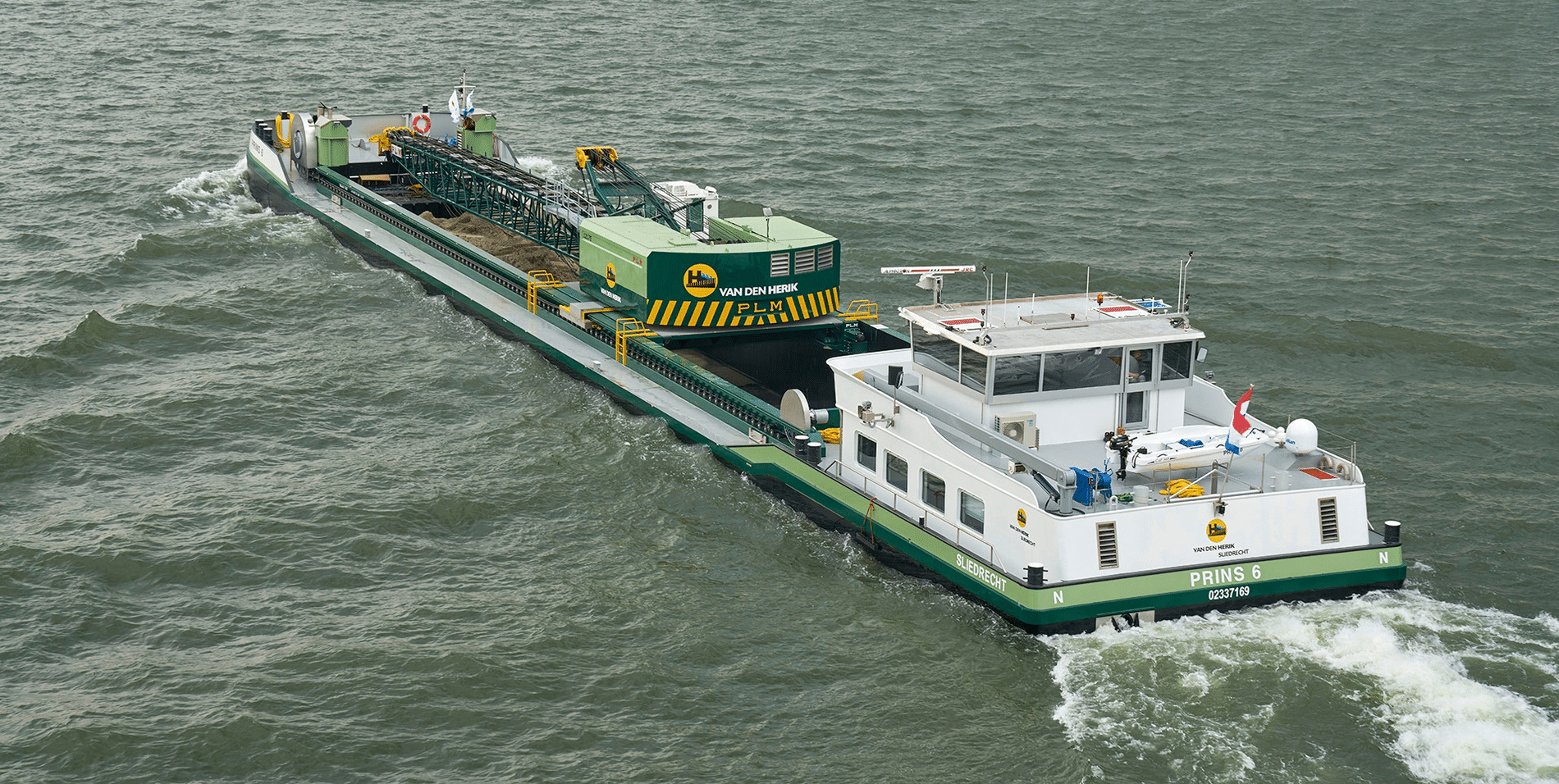
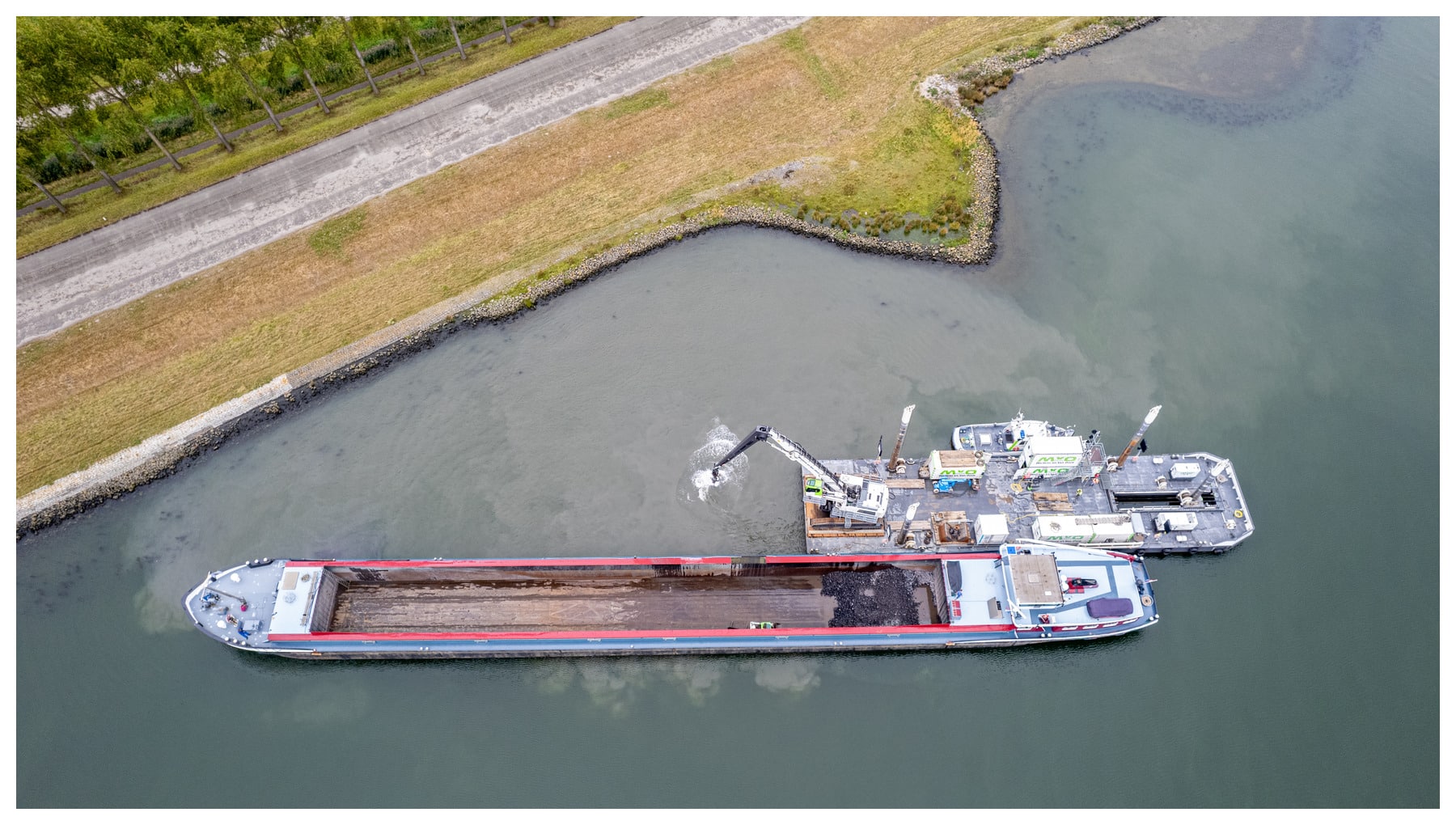
Although the Wolferen-Sprok dyke reinforcement project is a long-term project for Jansen Recycling, the first hundreds of tons of contaminated soil have already been processed into useful secondary raw materials. According to De Bont, the project will ultimately result in significant volumes. “To date, De Betuwse Waard has handled the transport from the project to our recycling facilities itself, but we can also take care of this, both by road and by ship. We optimize transport by combining it with other projects where possible. This allows us to limit the number of transport movements and keep the environmental impact as low as possible. If desired, we can take care of the entire soil remediation process from A to Z. We are very flexible in this regard and attach great importance to open and honest communication. The collaboration with De Betuwse Waard is therefore going extremely well.”
Of the 1.2 million tons of inert waste streams that Jansen Recycling processes annually, 98.5 percent is reused or processed into high-quality, certified secondary raw materials. These are then reused in road construction, in the company's own concrete division, or as raw material for Legioblocks. “Circularity is in our DNA.”