Platform on civil engineering, underground infrastructure, energy, construction equipment & construction machinery
People, making choices and pushing boundaries
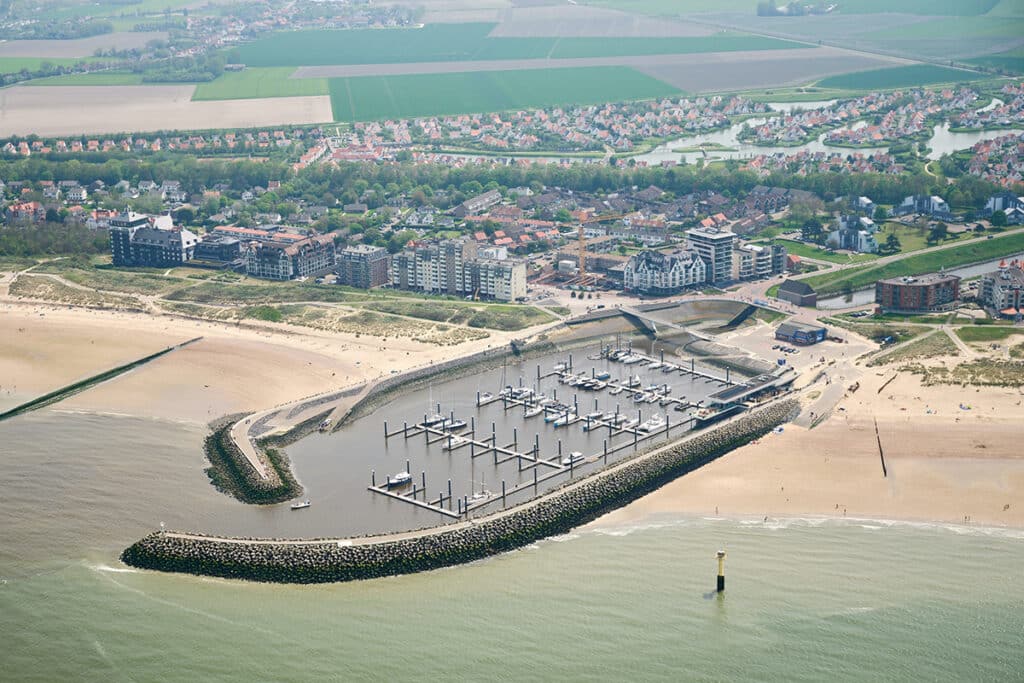
According to Andrea Vollebregt, director of the Association of Hydraulic Engineers, the future of the Dutch hydraulic engineering sector rests on three pillars: sufficient financial resources, daring to make choices and, above all, the right people. Because the tasks facing the Netherlands will only become more multifaceted.
The need for well-trained personnel is one of the industry's biggest challenges, Vollebregt begins. “The hydraulic engineering sector is not unique in this, but the declining number of students in maritime and civil engineering education is worrisome. Especially now that there is a huge amount to be done in the Netherlands in the field of hydraulic engineering and infrastructure. Just replacing, maintaining and renewing the existing infrastructure is a huge job. Bridges, locks, dikes, much of what we have is at the end of its useful life. This basic task requires people, resources and expertise. That expertise is fortunately available, but labor capacity is under pressure.”
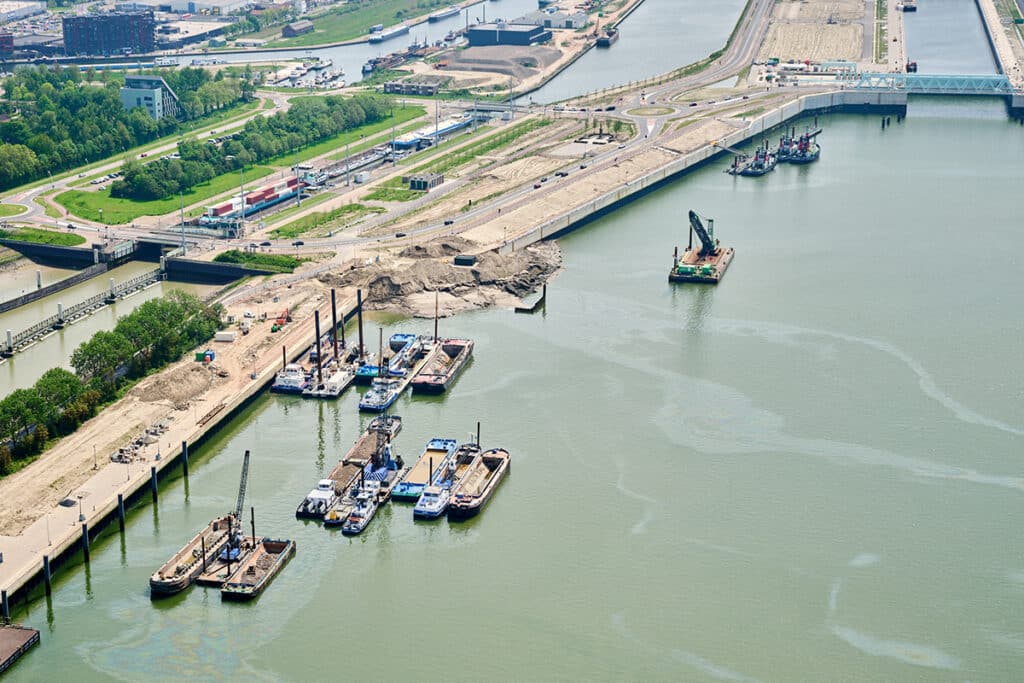
On top of that comes the rapidly changing climate reality, she continues. “Periods of drought are becoming longer, showers more intense and river discharges more variable. In addition, salt intrusion is increasing due to sea level rise and lower river discharges. The Netherlands must therefore focus not only on mitigation, but especially on adaptation. As hydraulic engineers, we say: start now. Prepare for what is coming and partly already underway. By making choices now in the design of our country, we avoid having no choice later and falling behind the times.”
The Delta Works are also reaching the point where large-scale maintenance and adaptation become necessary. “Within the Delta Program we have been looking ahead for 100 years, but choices are becoming more and more obvious. How do we organize the discharge of major rivers? Do we drain water to the sea as quickly as possible, or do we hold it longer because of the increasing importance of fresh water? The current layout of the landscape does not yet sufficiently reflect this. There are groundbreaking choices to be made,” says Vollebregt.
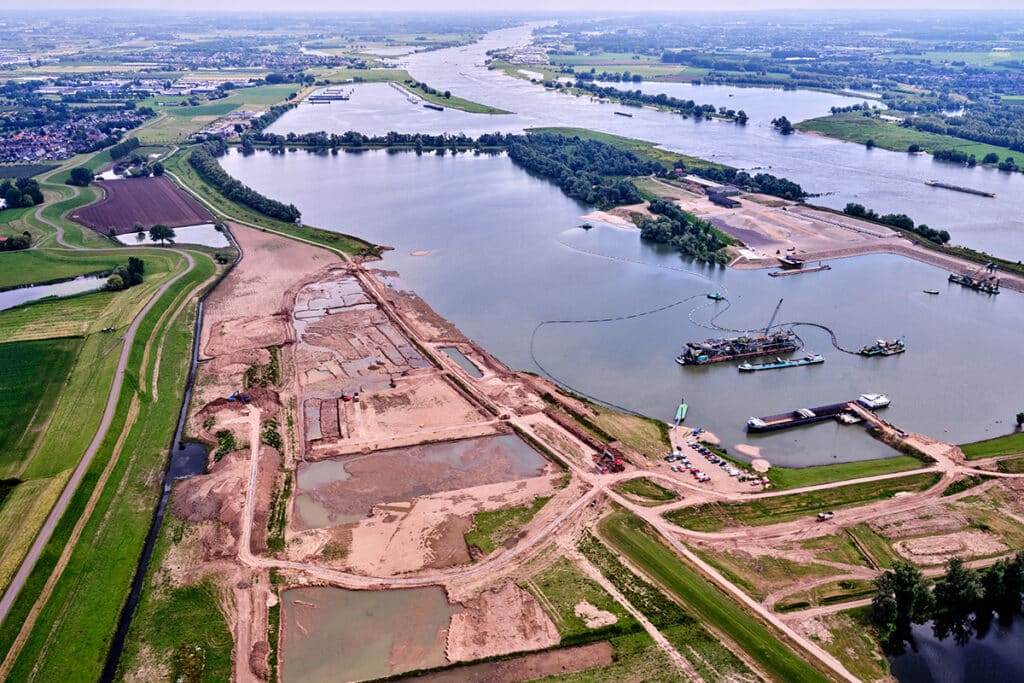
Scenarios for sea level rise show, according to Vollebregt, that dikes may have to be dozens of meters wider in some places. “Technically a lot is possible, but spatially and socially there are limits. Our sector has a lot of implementation and technical knowledge to help us think about these major considerations. The longer we wait, the more the tasks pile up: from renovation of existing infrastructure to climate adaptation and new frameworks for water safety and water management. In addition, the financial resources for all of these tasks are not unlimited, so it requires clever combinations of tasks wherever possible.”
Although there is sufficient expertise and innovativeness, labor capacity is an issue on both the client and contractor sides. “That's why we from the association have a lot of contact with schools and colleges, from mbo to university, in order to ensure that all facets of hydraulic engineering receive sufficient attention and that curricula are as closely aligned with practice as possible. And with TU Delft we have a cooperation agreement whereby we support a chair in the field of coastal and shore works. We are also working on innovative solutions for climate adaptive solutions on inland waterways, which will also be tested in practice at TU Delft. Together with the O&O-fonds Waterbouw, information will be provided at schools and a labor market campaign will start in 2026 to enthuse young people about the profession. Finally, we are committed to lifelong learning through our own training program for member companies.”
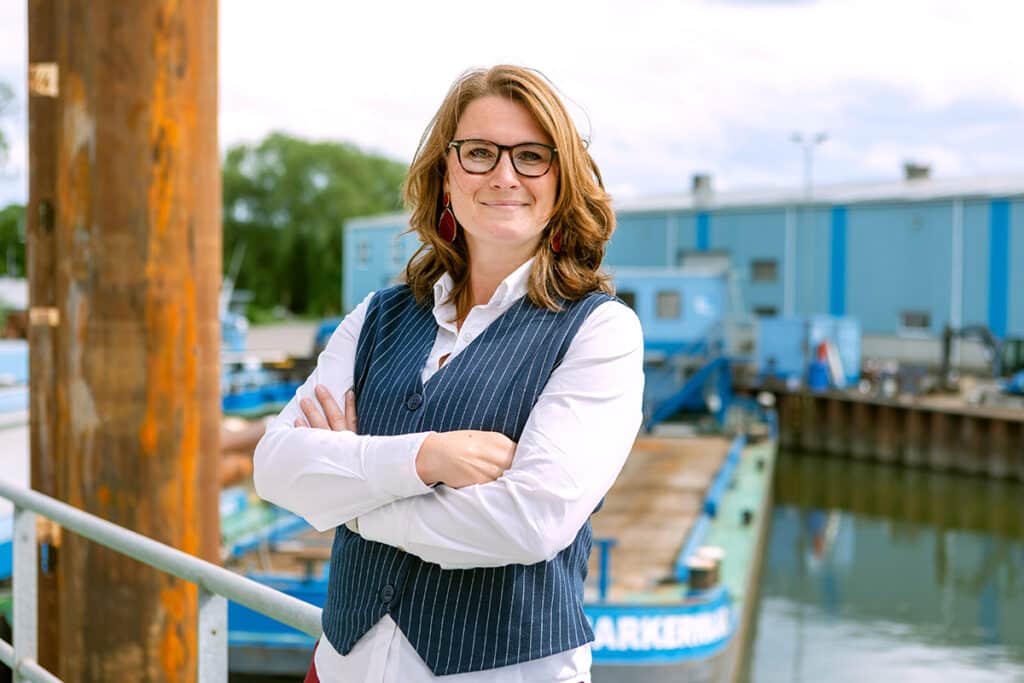
Our members represent the full spectrum of Dutch hydraulic engineering: from large dredgers to dike builders, from port development to building with nature, and all the service companies around them, Vollebregt says enthusiastically. “In close cooperation with government parties such as IenW, Rijkswaterstaat, port companies and water boards, we are working to efficiently carry out the major national tasks. The Ministry of Economic Affairs‘ new industrial policy recognizes hydraulic engineering as a growth market. And rightly so, because our sector is essential to maintaining the Netherlands as a ’triple A” country. We also hope to see this more explicitly reflected in the government's industrial policy. After all, we work on the essential preconditions that keep this country dry, safe and livable."