Platform on civil engineering, underground infrastructure, energy, construction equipment & construction machinery
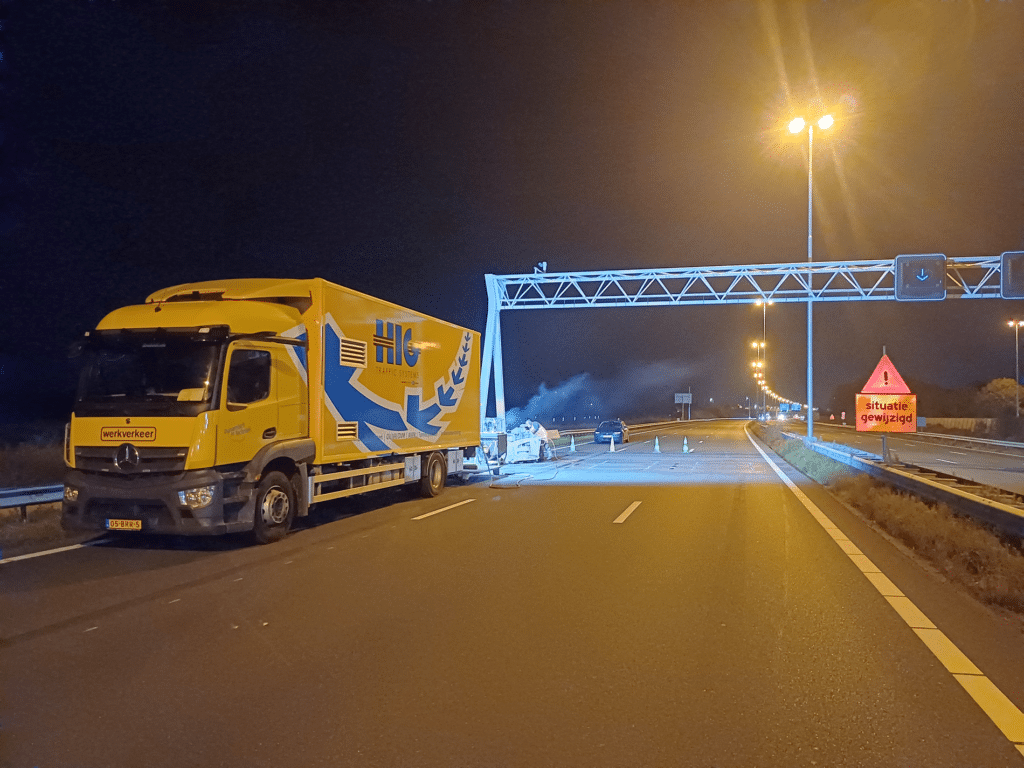
For the widening of the A2 motorway between the Het Vonderen and Kerensheide interchanges, HIG Traffic Systems is responsible for the design, supply and installation of the complete technical infrastructure for public lighting and dynamic traffic management (DVM). At the same time, existing traffic systems must continue to function until the new systems take their place. This requires tight coordination and a keen eye for detail, both along the road and at the traffic center.
What initially started as a cost estimate grew into an integrated contract for all technical installations, says Michael Houtman, commercial director at HIG Traffic Systems. This involved the full installation technical scope, including public lighting and all DVM systems. “Together with Boskalis, we built the tender around phasing planning. From the chosen implementation strategy, we first determined the system choices and design principles. Then we worked out the complete installation-technical concept, including the cable infrastructure, power supply structure and positioning of the installations.”
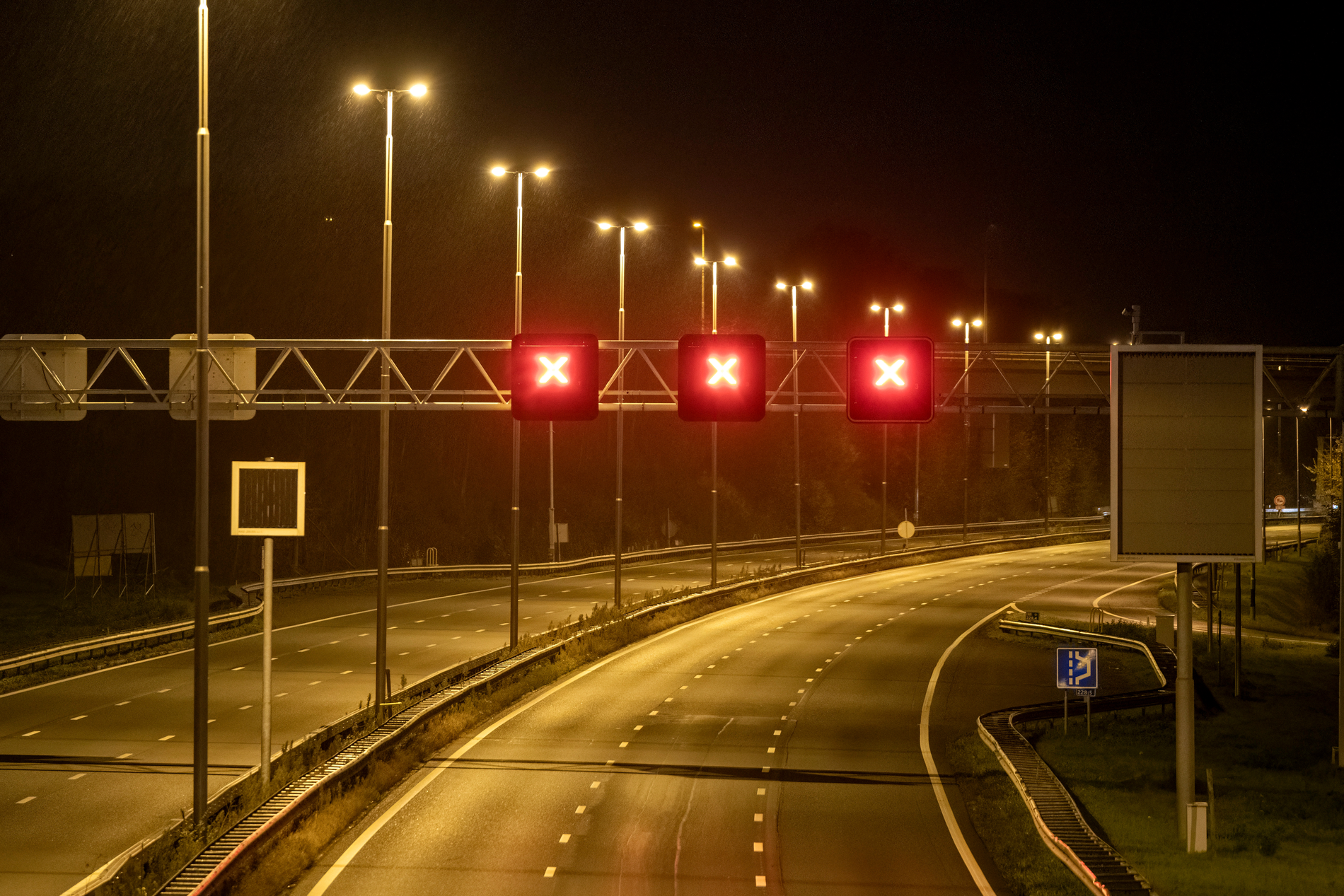
The scope for HIG Traffic Systems is extensive. “Dynamic traffic management includes complete power supply systems, camera systems, various roadside systems and communication with the traffic center,” says Kevin van den Heuvel, project engineer at HIG Traffic Systems. “Twenty new gantries will be installed, some up to 70 meters wide, spanning both the existing and future lane structure. A total of 180 signaling devices will be installed. There will also be seventeen incident management cameras, fiber optic and power cables will be pulled across the entire route, and we will install hundreds of detection loops in the asphalt to record traffic flows in real time. All these systems will be connected to the traffic control center via intelligent roadside stations, so that monitoring and control take place centrally.”
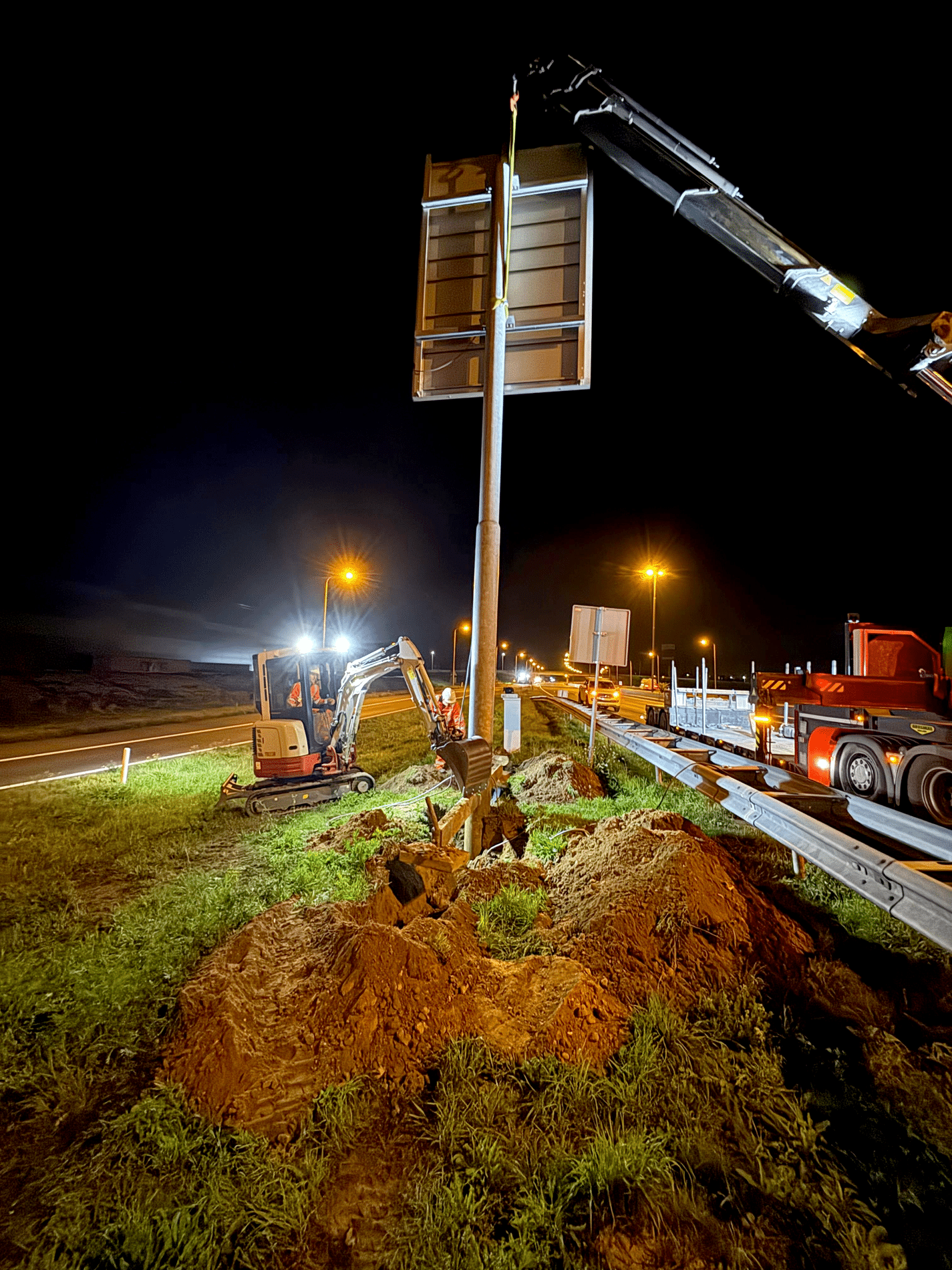
A major challenge for HIG Traffic Systems is maintaining the existing installations. “Many roadside systems were seriously outdated and in need of replacement even before construction started,” says Arie Biesheuvel, project coordinator at HIG Traffic Systems. “Earlier expansions, such as the construction of a rush-hour lane in 2008, were also linked to the existing system without everything connecting properly. That made the whole thing vulnerable. The decision was therefore made to functionally decommission the rush-hour lane and convert it into a fixed lane. This was exciting, but due to good preparation it went smoothly. The flow improved and the system is more manageable during the conversion. This keeps the network stable while we build a completely new system in parallel, in phases.”
The highway will be widened in phases over a length of 18 kilometers. “The work is divided into six road sections, with the sections on the north and south sides being tackled first,” said Van den Heuvel. The public lighting and dynamic traffic management system will be built standalone on those sections. “Only when a section is fully operational will the old installation be dismantled there,” Biesheuvel explains. “That requires complex takeovers: cables cannot simply be disconnected without consequences for surrounding systems. That is why we have designed smart cutting structures so that parts can continue to function independently.” After each closure weekend, a new piece of plant is in operation and the old infrastructure is removed.
The project is being carried out by HIG, in close coordination with the Department of Public Works, the traffic control center and Boskalis. “We have responsibility within the TI scope for design, realization, commissioning, management and maintenance of the entire system, and are carrying out much of the work with our own professionals. Every successful conversion to a new, working system is the result of intensive preparation and cooperation. We all have the drive to really make something beautiful out of it. The fact that the first big closing weekend went so smoothly is really a joy and a reward for all the hard work. And so we are working step by step towards a future-proof highway with modern public lighting and dynamic traffic management,” concludes Houtman.