Platform on civil engineering, underground infrastructure, energy, construction equipment & construction machinery
Conservation maintenance in response to growing maintenance backlog
Municipalities and counties are grappling with a challenge: There are more roads in need of maintenance than there is budget available. Intensive use, more extreme weather and the increasing diversity of road users are causing faster wear and tear. Raking, cracks and potholes appear earlier and more frequently. Delaying maintenance eventually leads to higher costs, greater risks and even complaints from road users.
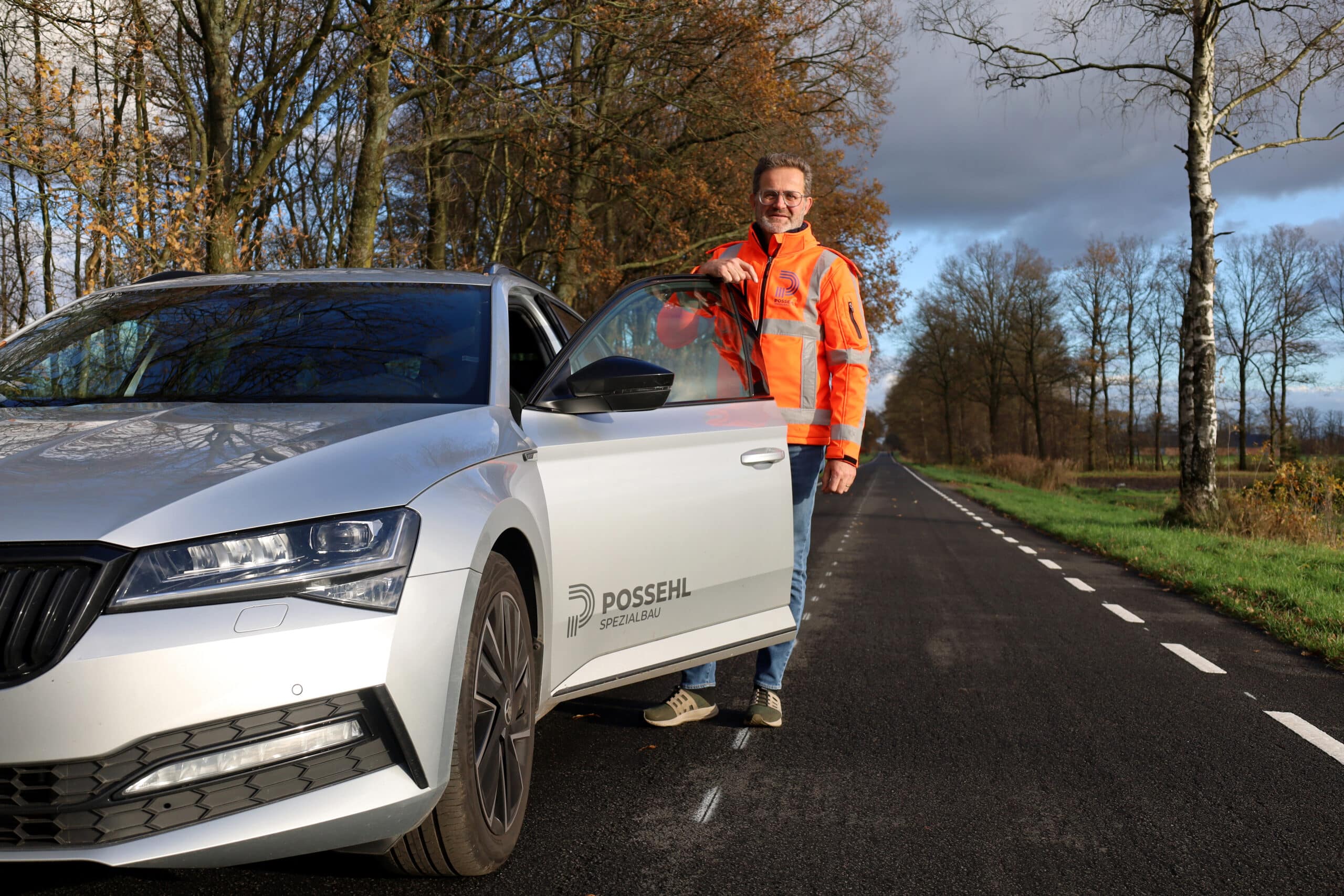
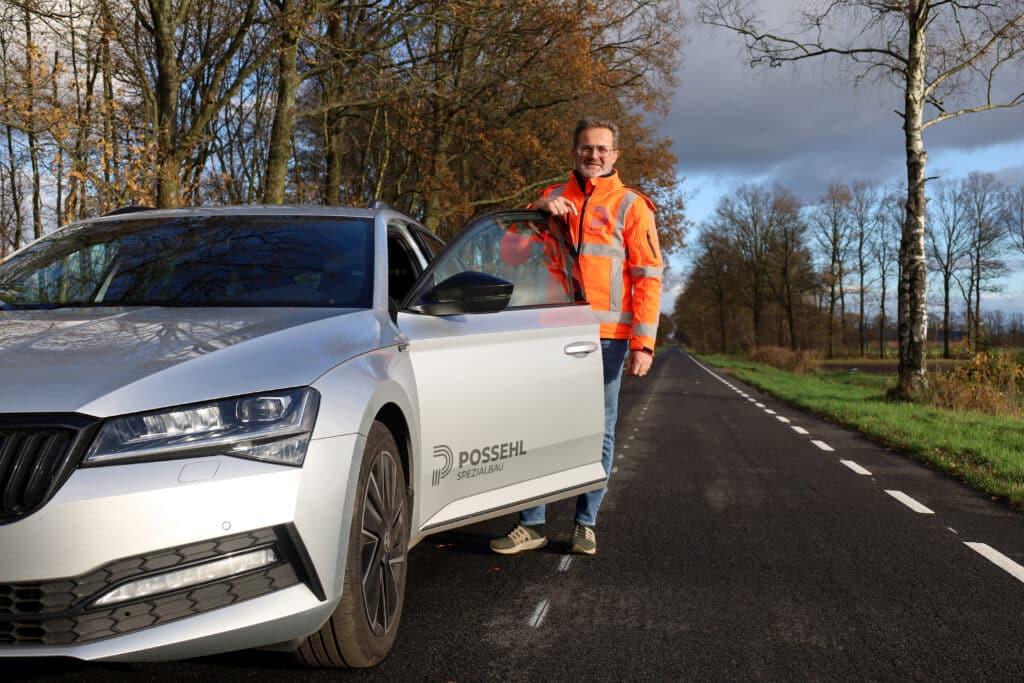
“When you see how quickly cracks or fraying can lead to dangerous situations, you know you have to intervene in time,” says Rogier van Diepen, Commercial Manager of MicoAsfalt at Possehl Spezialbau. “But it has to be smart: with techniques that are sustainable, barely impede traffic and fit within a municipality's budgets.”
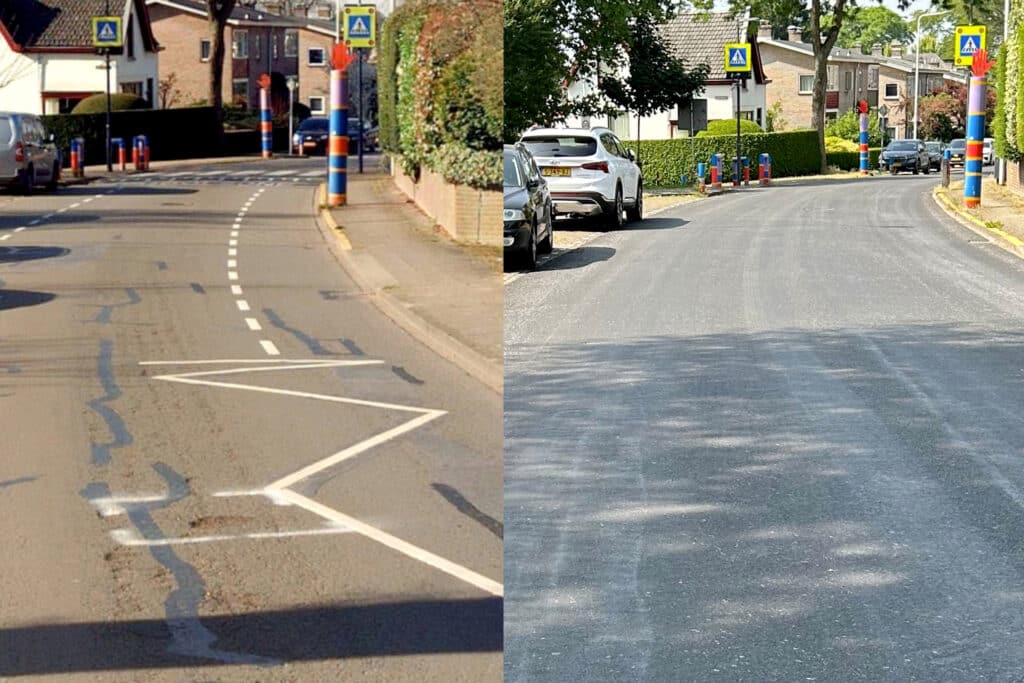
Anyone who deals with infrastructure recognizes three major challenges: safety, sustainability and budget. Raking, cracks and potholes create risks, especially for cyclists. At the same time, there is growing pressure to reduce CO2 emissions and material use. And meanwhile, maintenance budgets are often too tight for the task at hand. “It's balancing act,” Van Diepen knows. “You want safe and comfortable infrastructure, but you also have to work sustainably and stay within the financial frameworks. That requires different maintenance methods than we were used to in the past.”
Traditional major maintenance is costly and stressful for the environment, while temporary repairs often have too little effect. “That is precisely why we are looking at techniques that give roads and bicycle paths a second life,” Van Diepen continues. “You don't have to break everything open, but you do extend the lifespan by years. That makes a huge difference in costs and inconvenience.”
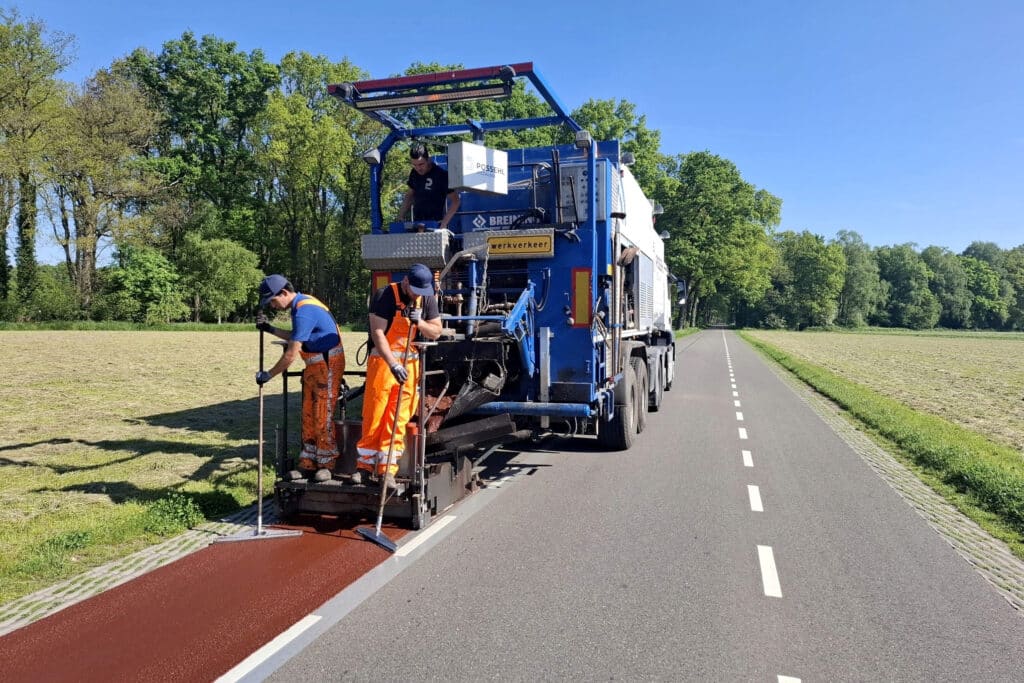
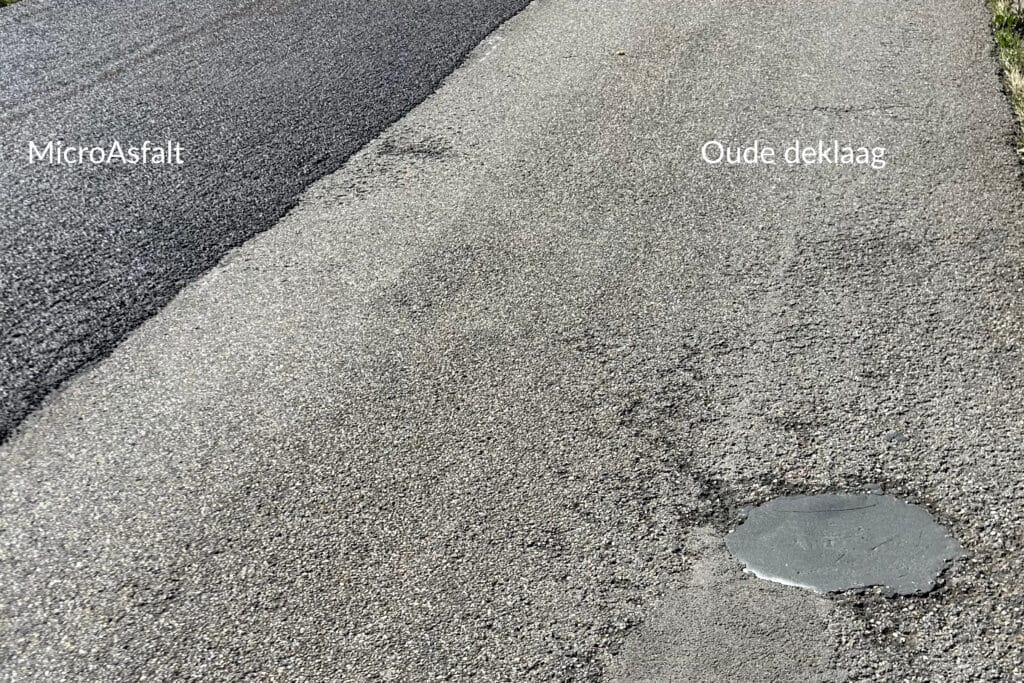
A clever technique that has already proven itself in practice is MicroAsphalt. This involves applying a thin preservative top layer that seals existing cracks, fraying and cracking and prevents them from developing further. The result is a flat, safe and skid-resistant road that can be reopened within an hour - and thus last for years to come. “The great thing is that you can really make meters with MicroAsfalt,” Van Diepen explains. “It is cold prepared on site, which allows us to reduce residual waste. And our machines run on HVO100 fuel. This allows us to reduce CO2 emissions by as much as 90 percent during implementation.”
By deploying smart maintenance, road managers can balance safety, sustainability and budget. “Give infrastructure the right treatment in time and you prevent greater damage. That way, roads and bicycle paths remain safe and reliable for years, without the need for complete reconstruction,” Van Diepen concluded.
Neem dan rechtstreeks contact op met Possehl Contracting Company B.V..
 Contact opnemen
POSSEHL Spezialbau is an international expert in top layers for traffic, recreation, industry and airports, among others. Whether for bicycle paths, the most creative squares or asphalt maintenance, we will be happy to discuss what we can do for you. Thermoflex® - Colorfast durable top layer In the 1980s, we developed our own coating: Thermoflex. We have already [...]
Bekijk Bedrijfsprofiel