Platform on civil engineering, underground infrastructure, energy, construction equipment & construction machinery
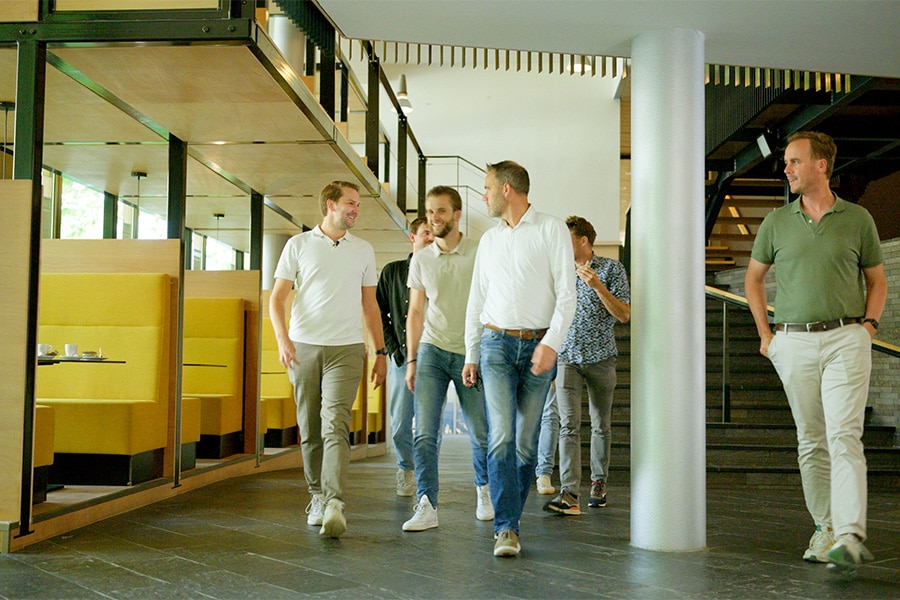
The construction of a mobility hub on the Luttenbergseweg in Zwolle is not only a technical tour de force, but above all an example of cooperation that strengthens each other. Whereas many projects are driven by technology, this one is also about the power of well-organized processes, clear responsibilities and a shared vision of control. The municipality of Zwolle consciously chooses an approach in which cooperation, cost control and risk management are central, and that is exactly where dutch process innovators (dpi) as process partner of Max Bögl Nederland makes the difference.
The new mobility hub will have two underground layers with space for about 450 vehicles. The project aims to relieve parking pressure in the city center and move car traffic more away from the canal. By concentrating parking in the underground mobility hub, there will be more space above ground for greenery, accommodation and housing. In doing so, it makes an important contribution to the accessibility and livability of the city center. For dpi, it is a special project: the organization's Zwolle office literally overlooks the construction site.
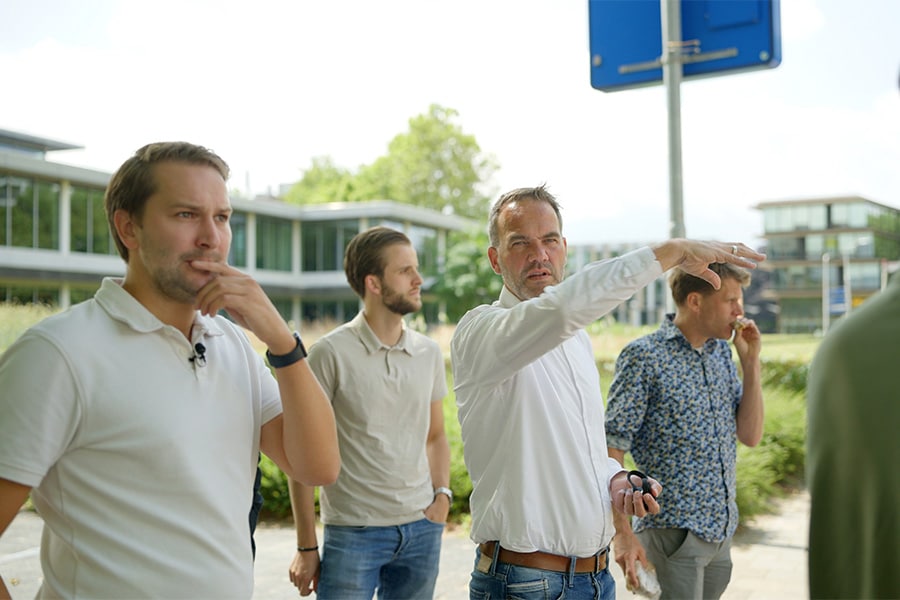
In tendering for the project, the municipality of Zwolle explicitly chose criteria such as cooperation, cost control and risk management. “Instead of a purely technical call for tender, it is also about soft skills and process quality,” begins Kees van der Sar, project manager at dpi. “From dpi we bring in experience with construction teams, process management and cost control, aspects that contribute to a controlled and transparent project.” That process focus also formed the basis during the tender phase, adds Nick van den Berg, tender manager at dpi. Max Bögl and dpi acted jointly in this, with roles being clearly divided. The project management was assigned to dpi in order to add extra construction team experience to Max Bögl's team with great technical qualities. Indeed, Max Bögl can boast years of experience in the field of underground construction with projects such as the Albert Cuyp garage in Amsterdam and the large bicycle parking facility at Amsterdam CS. That combination proved powerful: the construction team was awarded in early July.
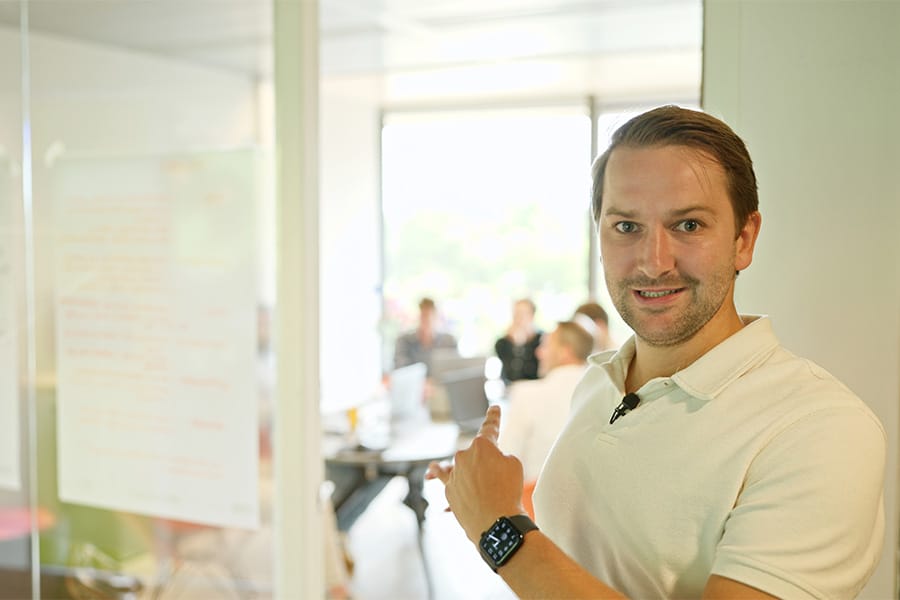
The tender had a very short lead time, which called for a cohesive and agile team. “From day one, the key people were at the table,” Van den Berg says. “From dpi, we brought a lot of added value precisely in the area of process quality and soft skills: our process-oriented approach, vision of cooperation and approach to cost control matched seamlessly with what Max Bögl and the client were looking for. Max Bögl put together a strong technical team with an experienced design leader and construction manager, both with extensive knowledge of building underground parking garages. From that basis, the tender took shape. Together we worked out our vision in a clear plan of action, challenging everyone from their role to go that extra mile.” Van der Sar: “During the presentation of the plan of approach, I was on stage myself with the two other key project officials. That allowed us to convey our story to the client in an authentic way. The award was followed by a warm handover and a smooth start of the construction team phase.”
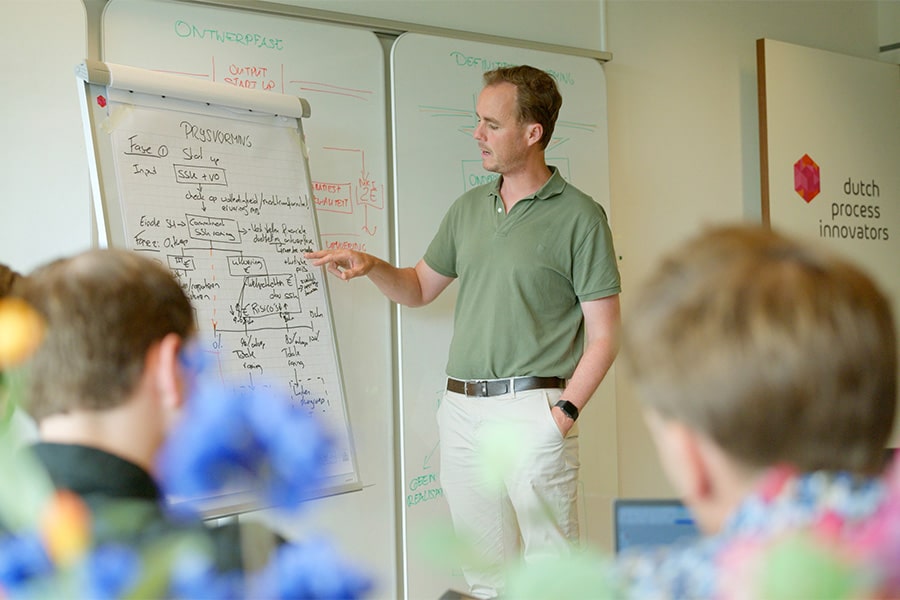
Following the award, the construction team phase began, working toward a construction team design and associated pricing in just 20 weeks. “Here, too, the pace is high,” says Van der Sar. “This is only possible if everyone plays their part and the processes are well set up.” In this phase, Dpi provides expertise in environmental management, project control and contract management. In doing so, the organization ensures a connection between technology and process, and between municipality and contractor. Van den Berg: “We are now working on setting up the management process, among other things, to get a clear picture of the opportunities and risks. The construction of an underground parking garage under a through road, in the immediate vicinity of the county hall and the courthouse, involves the necessary complexity. The essence of the construction team is to take those challenges together and form a beautiful plan, making it a managed project for all parties.”
From day one, it became clear how well we complement each other, especially in the cooperation with Max Bögl, says Van der Sar. “We have mutual respect for each other's qualities: we value their technical knowledge and power of execution, while they value our process-oriented approach and degree of control. There is also a long-term, open collaboration with the Municipality of Zwolle in which each party utilizes its own strengths. We do not do this for each other, but with each other. It is precisely this balance that ensures that together we can really make a difference.” The contract must be in place by early February 2026, with outdoor implementation starting in 2027. The mobility hub must be completed by the end of 2029.
Neem dan rechtstreeks contact op met dutch process innovators.
 Contact opnemen
Dutch process innovators (dpi) is the national consulting and process agency for construction, infra and energy. We focus on all processes required to successfully win, realize and maintain projects. We do this with a sharp goal in mind. We make the connection between all stakeholders. We ensure that goals within the [...]
Bekijk Bedrijfsprofiel