Platform on civil engineering, underground infrastructure, energy, construction equipment & construction machinery
Solutions for infrastructure issues
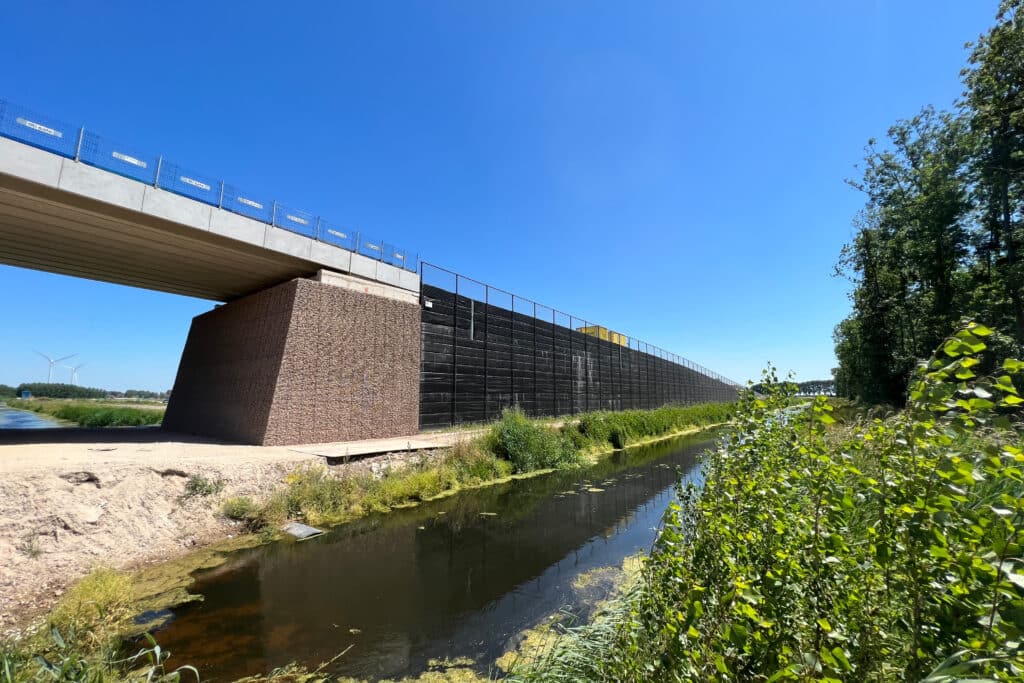
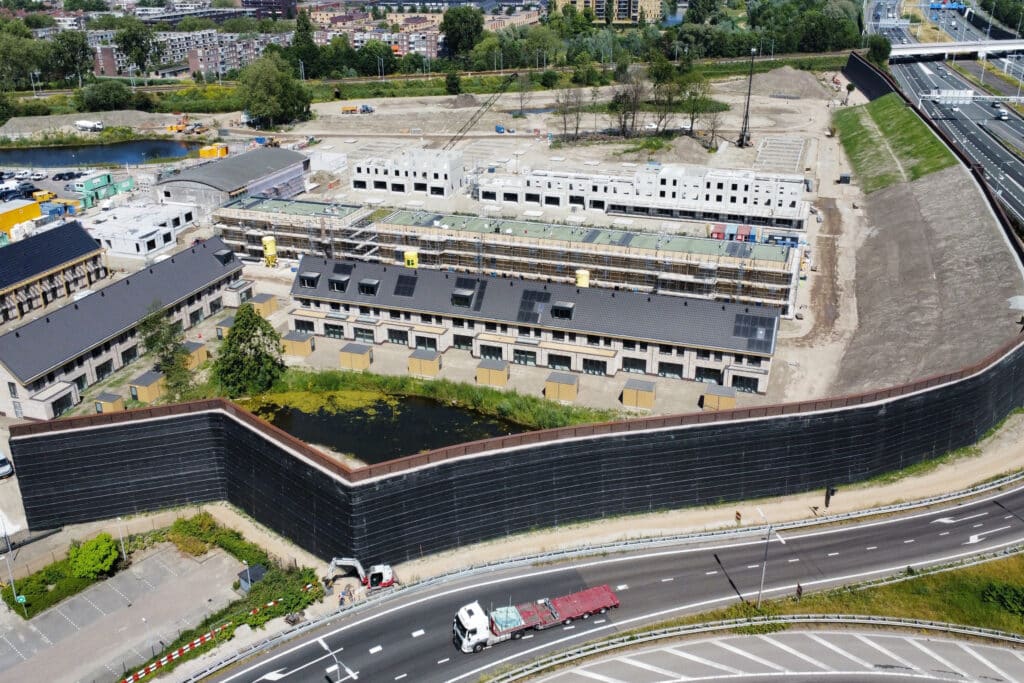
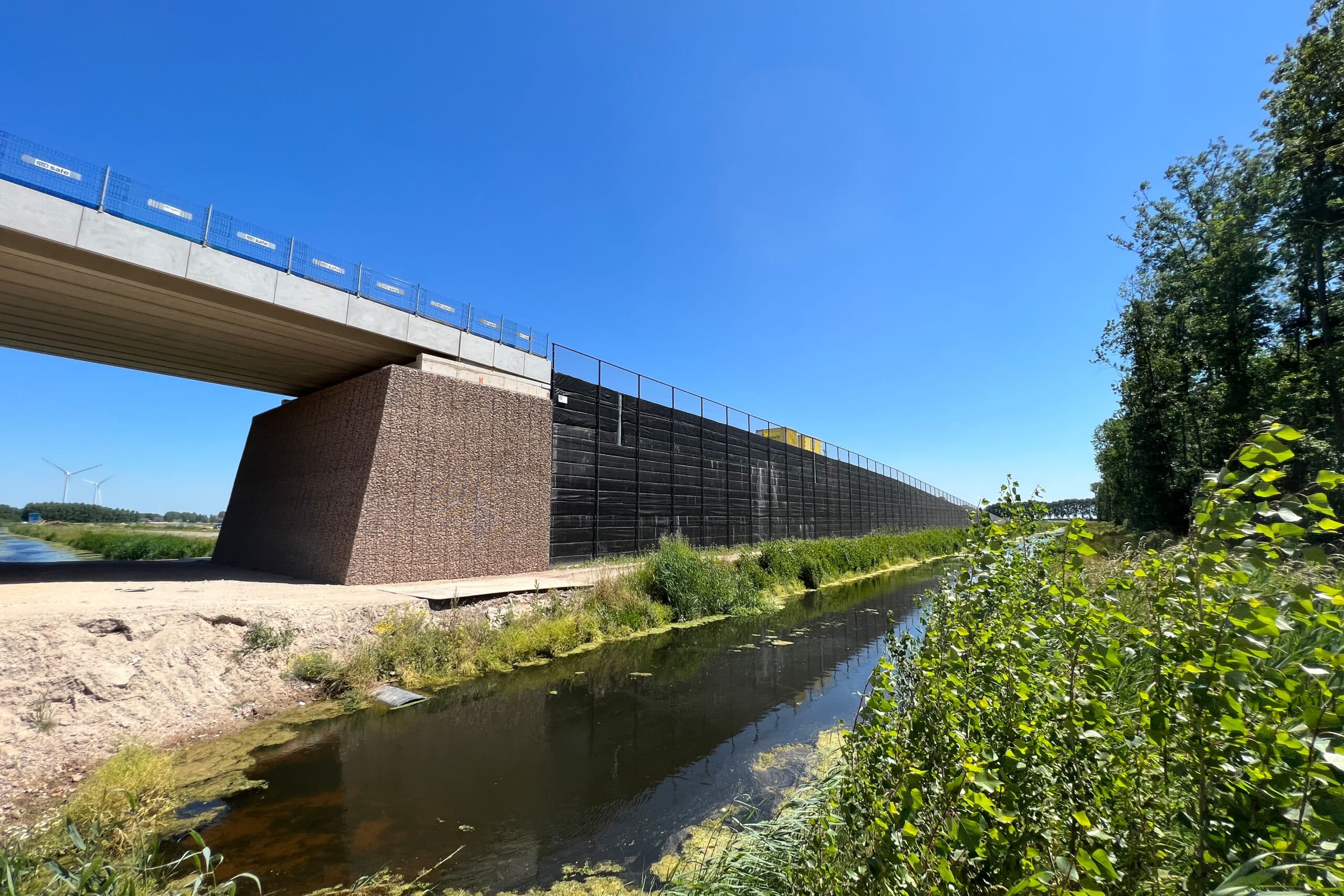
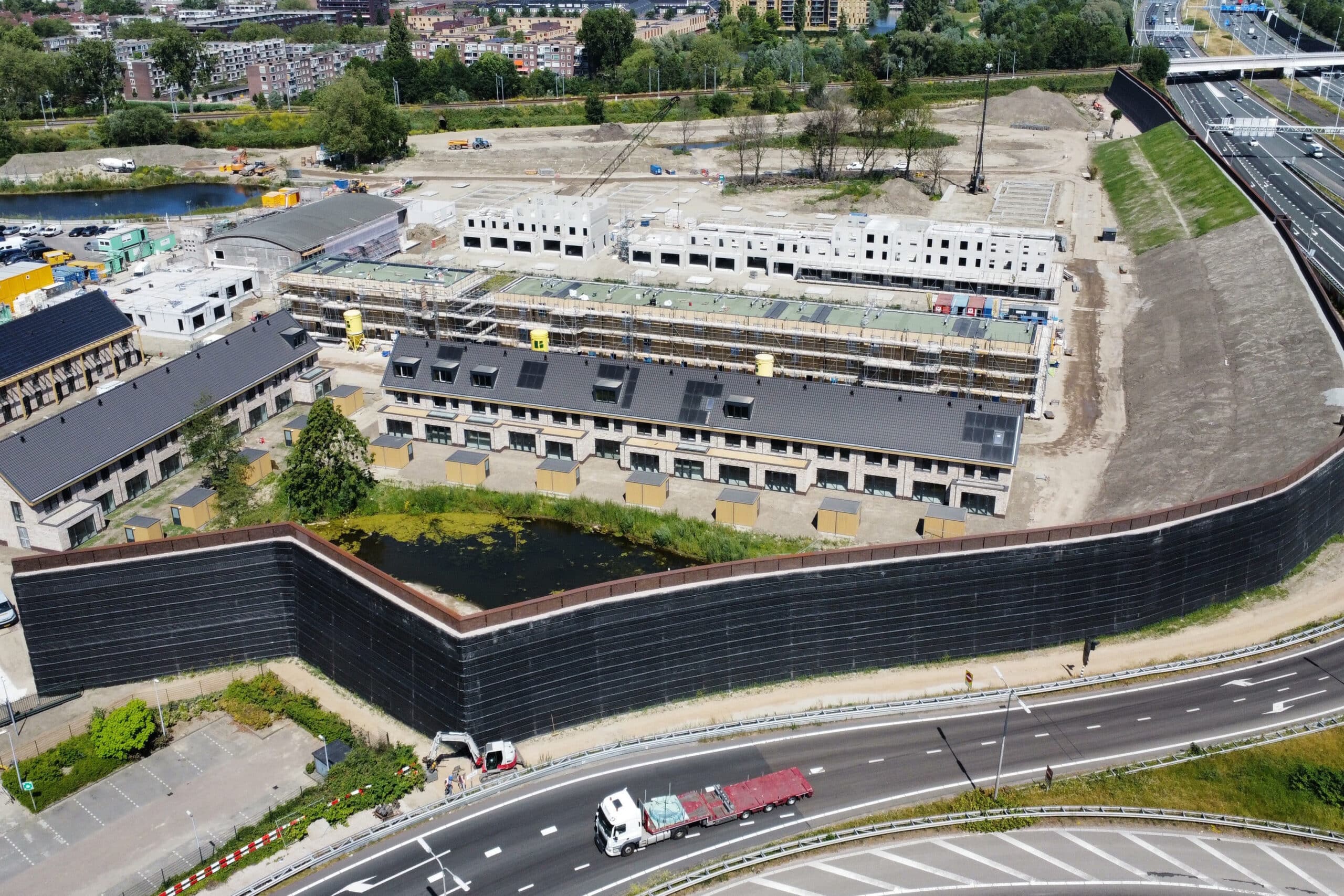
Voets Reinforced Soil Structures is a company that focuses on advising, designing, supplying, and implementing various system solutions in the field of reinforced soil structures.
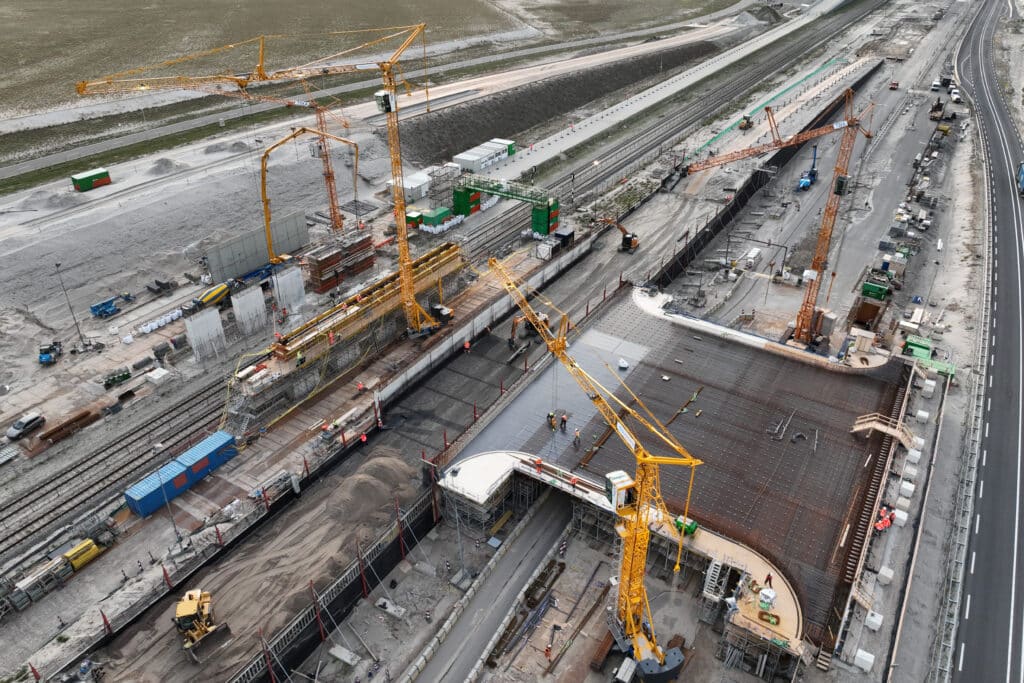
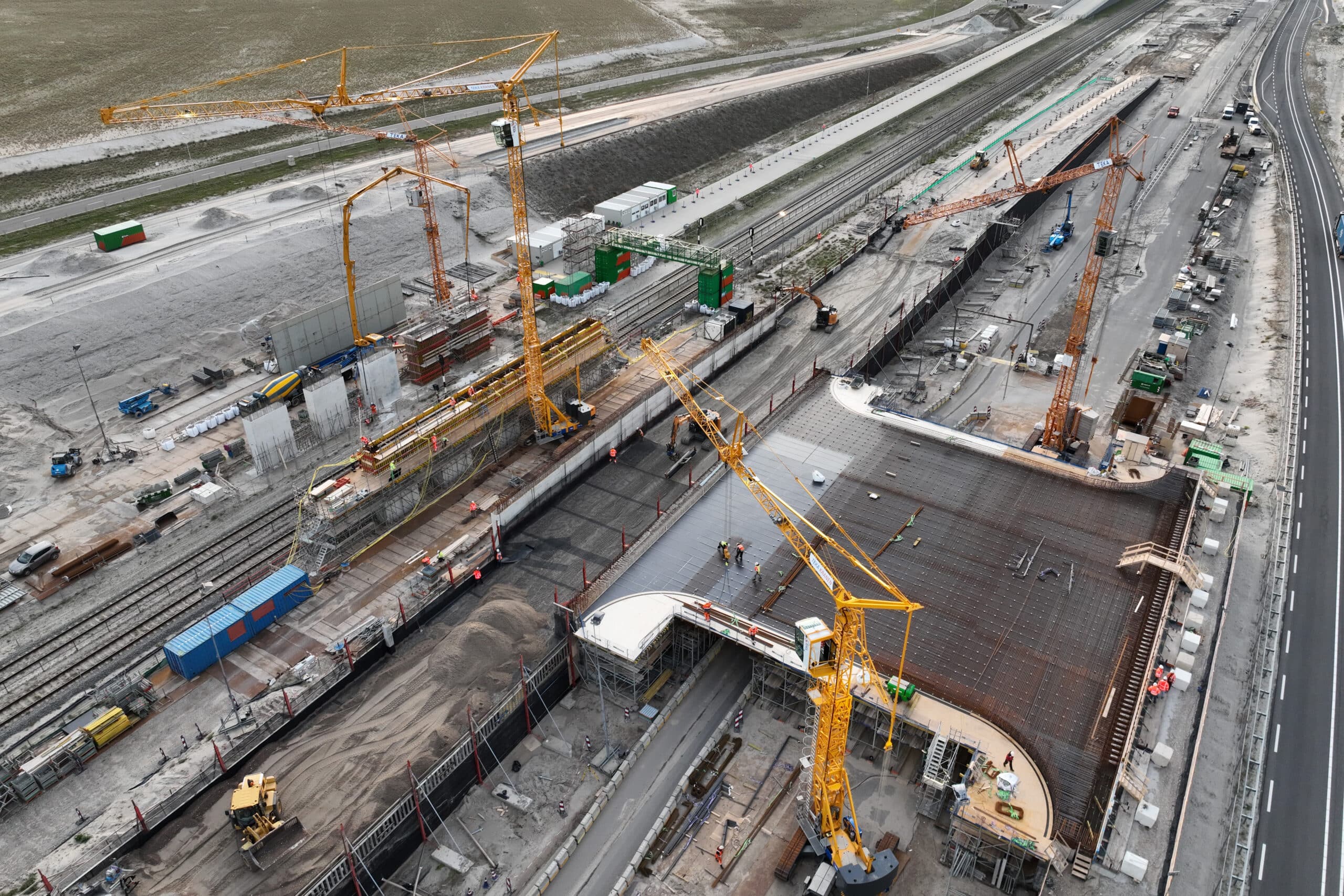
Over the years, we have gained the necessary experience in the entire process from detailed design to the realization of reinforced soil structures. This means that the primary function of Voets Reinforced Soil Structures is to offer our clients solutions for infrastructural issues in (mainly) Design & Construct contracts, naturally in a safe and socially responsible manner.
We want to be part of your project's success as early as possible and would like to get in touch with you to think along with you and jointly arrive at the optimal solution.
(Inter)national collaborations
Voets Reinforced Ground Structures is primarily active in the Dutch and Belgian infrastructure market and works as a subcontractor for all major contractors and project consortiums.
Upon request, we seek to collaborate with customers at an early stage in the tender phase of a project. Binding agreements can also be made by means of a letter of intent. At Voets Reinforced Ground Structures, we believe it is crucial to become part of our customers' success as early as possible.
This allows us to make full use of our organization's knowledge and expertise, resulting in an optimal solution that takes into account the applicable preconditions and principles. And always ‘Best For Project’!
A solution-oriented approach, flexibility, and efficiency are factors that characterize our organization. Combined with the ability to perform work quickly, safely, and at acceptable costs, these factors are decisive for achieving success.
Safety, health, and environment
We normally carry out our work as a subcontractor for a main contractor and comply with the main contractor's health, safety, and environmental policy.
To optimize safety, we pursue a proactive policy, emphasizing agreements made prior to implementation. We already apply safety conditions during the quotation phase. This ensures that the conditions are in place to carry out our work in a safe and healthy manner.
We are certified according to VCA** and SCL level 3 (safety ladder). Employees of Voets Gewapende Grondconstructies hold BHV, VCA, GPI, DVP, and certificates relating to working safely with, among other things, aerial work platforms and earth-moving equipment.
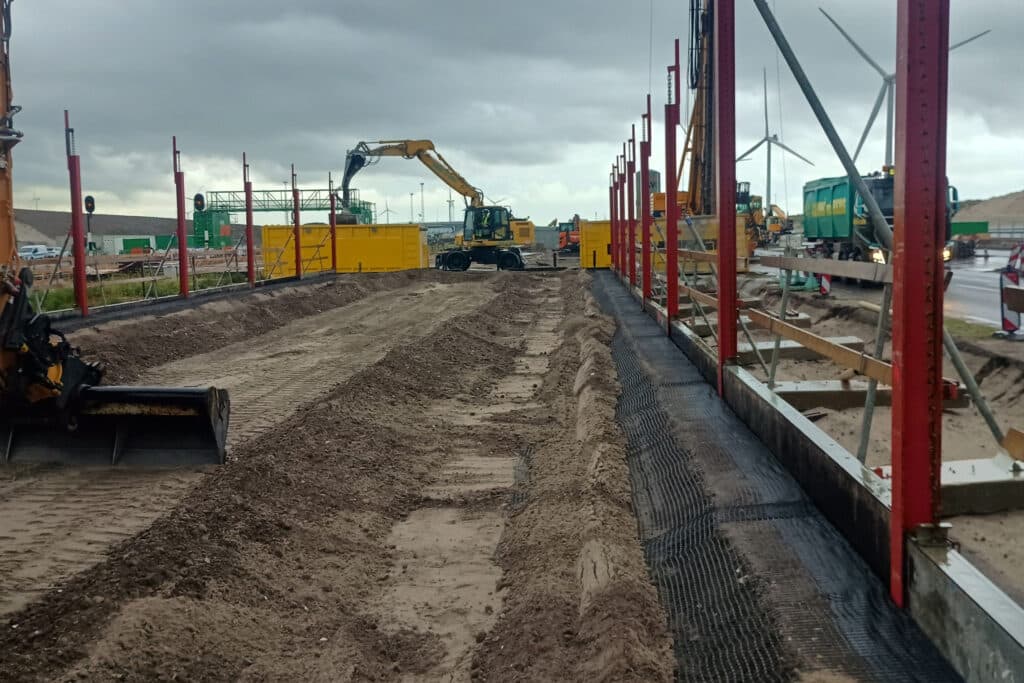
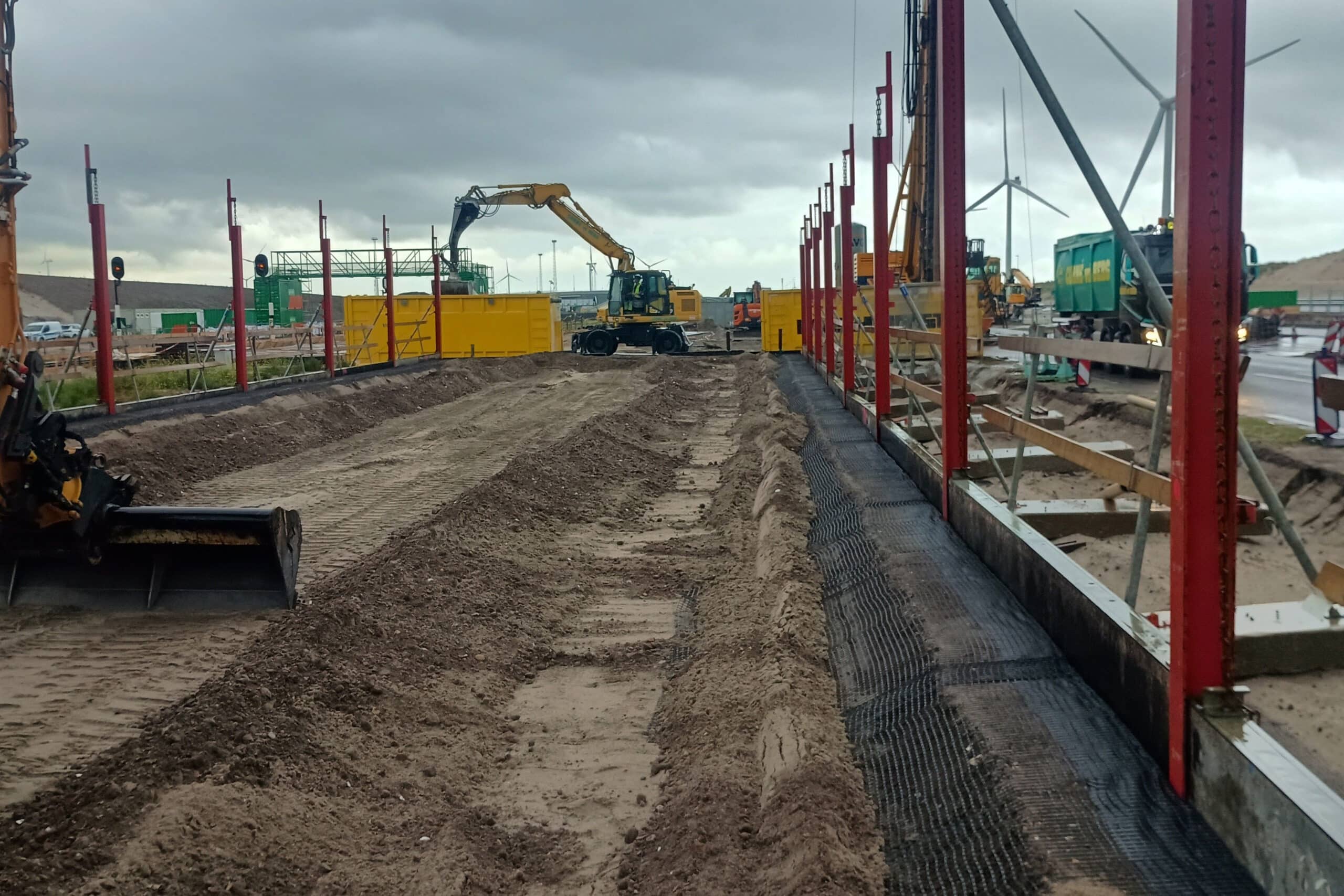
The reinforced ground structures are constructed using modern and well-maintained machinery. We are constantly looking for innovations and resources that optimize our work in terms of quality and ergonomics.
Voets Reinforced Soil Structures has a wide variety of formwork materials at its disposal. Fall protection is integrated into the various formwork systems, ensuring that the reinforced soil can be constructed safely. Additional measures include personal fall protection and the use of aerial work platforms.
The soil reinforcement used in reinforced soil is made from high-modulus polyester (PET). The polymer protective layer of these geosynthetics is practically inert (no leaching) and therefore does not harm the environment.
The filling material normally consists of sand and/or mixed granulate. When using alternative materials such as slag, bottom ash, industrial waste products, or treated soil, the health and safety measures that need to be taken must be assessed on a project-by-project basis.
Sustainability & circular economy
In recent years, reinforced soil structures have been increasingly used as a sustainable, high-quality alternative to concrete and/or steel structures.
Reinforced soil makes it possible to build faster and more flexibly than with traditional systems, thereby limiting disruption. It is more economical and environmentally friendly. Local materials can often be used as fill material, provided they are easy to process.
Sustainable alternatives for wall finishes on reinforced ground structures are facings with vegetation.
A reinforced soil structure is constructed by adding soil reinforcement to fill material. When such a structure is demolished, the fill material becomes available again for new applications. The geosynthetics that are released can no longer be used as soil reinforcement, as it is virtually impossible to recover them undamaged. However, the raw materials of the geosynthetics are suitable for forming new products.