Platform on civil engineering, underground infrastructure, energy, construction equipment & construction machinery

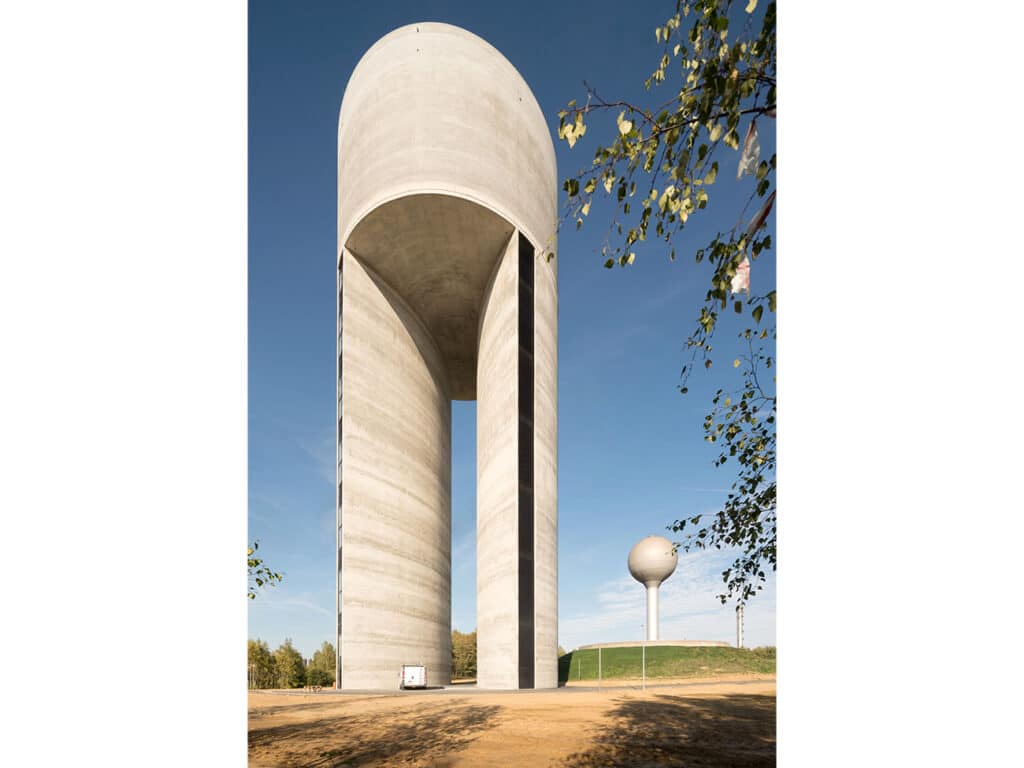
Water storage, and more specifically efficient water storage, has been a priority since the dawn of humanity. What are the challenges involved in water storage and how can water be managed sustainably?
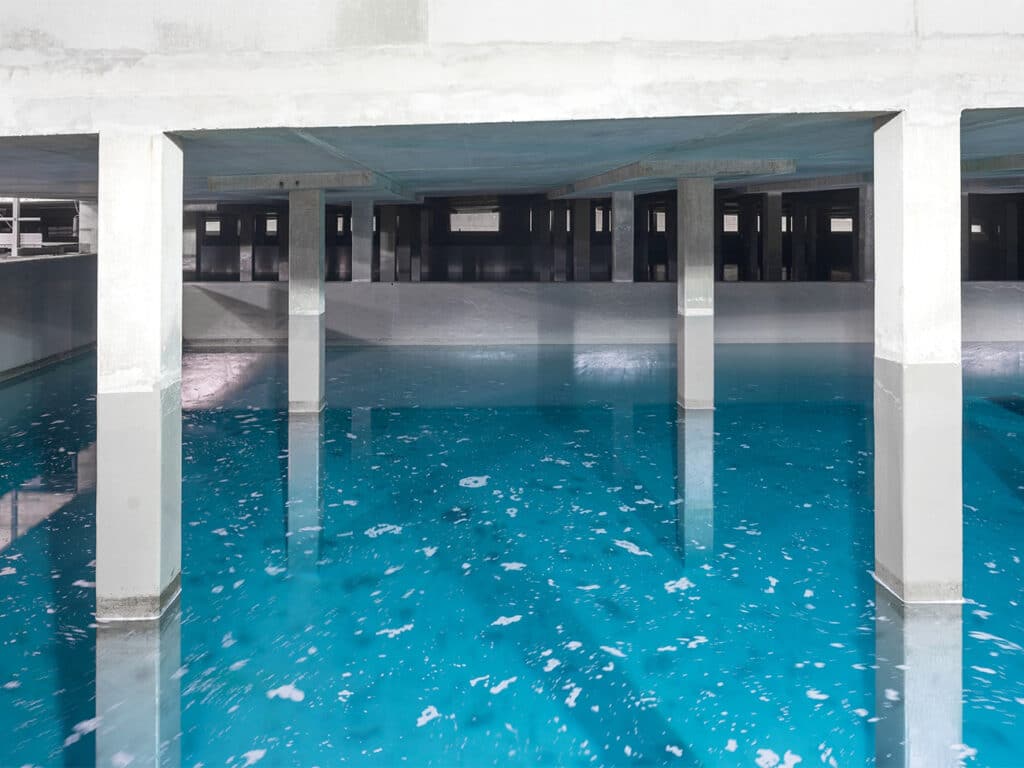
Water reservoirs serve multiple purposes. They can be used for storing drinking water, industrial wastewater, water purification, etc. For economic reasons, these reservoirs are made of concrete.
It is very important to bear in mind that water is a highly sensitive resource that can be affected by negative environmental factors such as bacteria, viruses, algae, pH changes, and the accumulation of minerals and gases. Contamination can be caused by various factors, including pipes, reservoir construction materials, and the seepage of minerals and gases. A well-designed water reservoir will specifically address and limit these negative effects. In addition, a procedure for monitoring water quality must also be put in place at an early stage, with a regular maintenance plan, to prevent the growth of algae, bacteria, and viruses. This is especially important when it comes to reservoirs containing drinking water.
There are several important factors that must be controlled to ensure the efficiency of any water storage system:
From the above, it is clear that storing water in a reservoir is a challenge. How can these challenges be addressed to ensure sustainable water storage? Protecting and waterproofing the concrete structure is crucial in this regard. Various technologies are available on the market for this purpose, such as cementitious membranes, epoxy coatings, polyurea membranes (PUA), and a membrane based on Xolutec technology.
Cement-based coatings have been used to protect concrete for many years. They are considered the oldest technology on the market and can be divided into two categories: flexible coatings with polymer additives and rigid coatings. Both consist of a mixture of cement, sand, a few additives, and, in the case of flexible coatings, polymers.
Epoxy coatings are widely available on the market and were introduced many years ago. They are also available in two versions: systems without mesh, which are the simplest systems, often with a single primer coat for adhesion to concrete and two coats of epoxy coating. The second version consists of systems with mesh. These are systems with a mesh in the first coat to distribute stresses caused by the opening of cracks in the substrate and to prevent their reflection in the coating.
A few years after cementitious and epoxy coatings, PUA coatings came onto the market. The application process requires the material to be sprayed hot, resulting in a very short drying time of just a few seconds. Once dry, polyurea membranes offer excellent crack-bridging properties without mesh.
Xolutec™ is the latest technology on the market and is the result of several years of development work aimed at finding a solution to the problems associated with concrete in challenging environments such as wastewater treatment plants. By optimizing the intermolecular interaction between the resin-forming blocks, an improved XPN (cross-linked polymer structure) is created with unique characteristics for various applications. The main advantages for users are lower total cost of ownership due to longer maintenance cycles and longer service life, long-term aesthetic appeal, and improved durability.
It is very important to ensure that, depending on the specific circumstances (structure of the reservoir, concrete quality, surface quality, new construction or renovation, etc.), the technology and solution used actually meet the requirements of the site. The storage of drinking water requires extra care and is strictly subject to national standards that commercial products must comply with in order to be approved.