Platform on civil engineering, underground infrastructure, energy, construction equipment & construction machinery
A more focused approach that reflects real-world practice
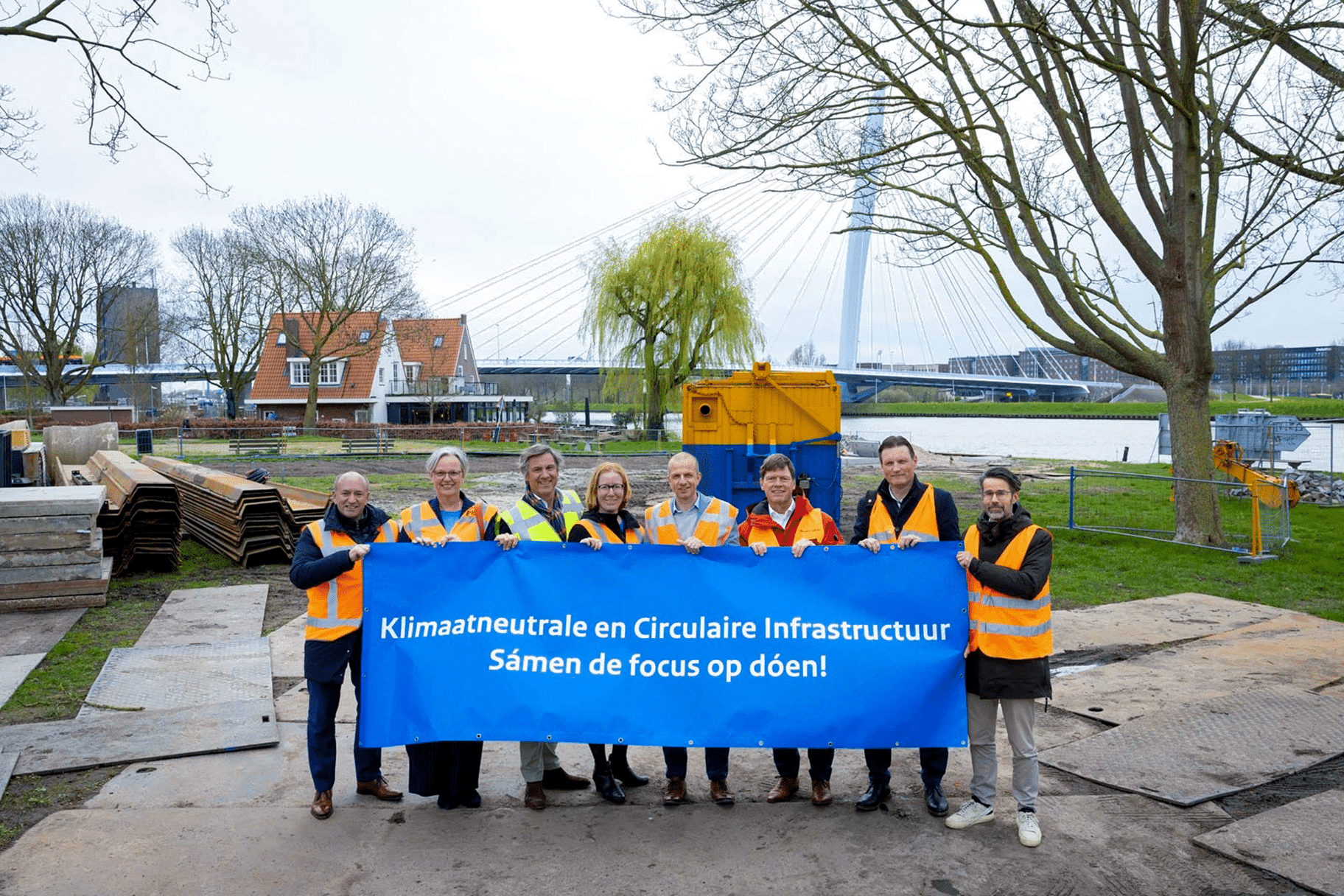
All public clients are working hard on the transition to a climate-neutral and circular infrastructure. They have taken the following step in this process. On March 27, the Steering Group for Public Clients on Sustainable Infrastructure (PODI) presented the updated Climate-Neutral and Circular Infrastructure (KCI) roadmaps and the KCI collaboration agreements at the Krachtstation Kanaleneiland in Utrecht during a festive gathering. “The energy that all parties bring to the table makes all the difference.”
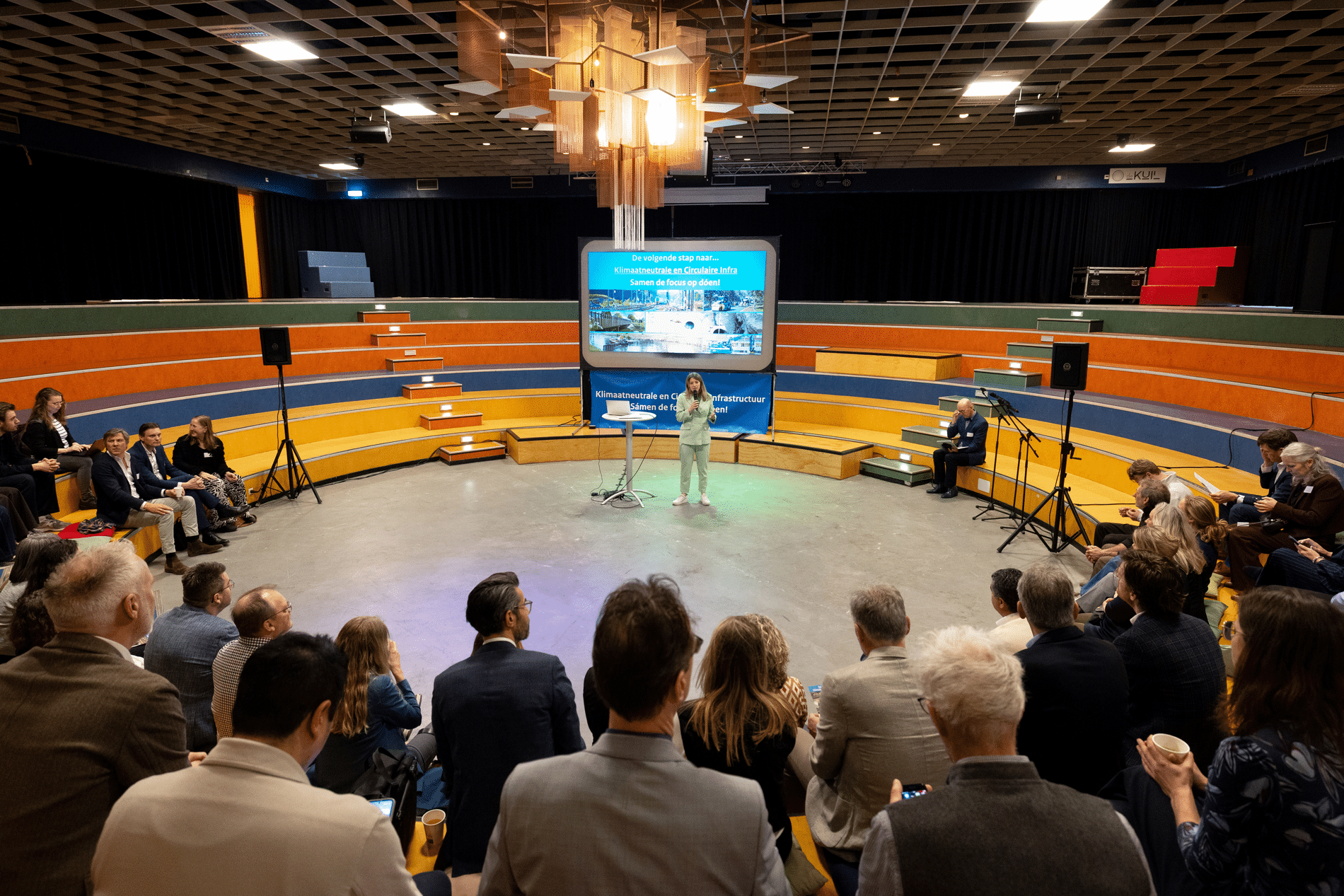
Susanne Schilderman, alderwoman for the Circular Economy for the City of Utrecht, kicks off the event. She explains that the city aims to reduce the carbon footprint of building materials by focusing on reuse and climate-resilient innovations in the city. “The way we handle our raw materials is no longer sustainable. Utrecht is growing rapidly, and by using materials more efficiently and investing in short, reliable supply chains, we will not only become more sustainable but also less vulnerable to disruptions, shortages, and geopolitical uncertainties. To take even more steps toward a circular city with greater reuse, close collaboration between the government and private-sector partners is essential. That is why we felt it was important to actively contribute to the collaboration agreements and the roadmaps for Climate-Neutral and Circular Infrastructure.”
Next, attention turns to the roadmaps, which originally stemmed from the Climate Agreement. These roadmaps stipulate that by 2030, the national government and local authorities must operate as climate-neutral and circular as possible in projects within the civil engineering sector (GWW). To this end, the national government, the Interprovincial Consultation (IPO), and the Union of Water Boards (UvW) drew up KCI cooperation agreements and five roadmaps in June 2023. The cooperation agreements have now been updated, and the roadmaps were also updated over the past year. “This brings everything more in line with the practical realities of all provinces, water boards, and municipalities,” says Marc de Rooy, senior policy advisor at the Ministry of Infrastructure and Water Management (IenW). A sixth roadmap has also been added: Sewerage. The roadmaps provide direction and identify which measures will have the greatest impact.
Paul Witmer was involved in the development of the Sewerage Roadmap on behalf of the City of Utrecht: “In drafting it, we focused primarily on what circularity and sustainability mean for our waterways and pumping stations. We tried to make the roadmap as concrete as possible. I think we succeeded in doing that.” To quickly find the information that’s relevant to your organization, De Rooy recommends duurzame-infra.nl. “Here, every local government has its own, easily accessible landing page.”.
”Including measures that are relevant to you." He also recommends the "Sustainable Infrastructure Handbook," which compiles practical experiences from fifty municipalities across the country and offers guidance on sustainable infrastructure: from the bidding process to construction and from management to replacement.
The key to achieving results lies in close cooperation between municipalities, provinces, and water boards, according to Jasper Hoogland on behalf of the IPO and Marleen Nicolai on behalf of the Union of Water Boards. Hoogland: “I see a great deal of enthusiasm among all parties involved to tackle these challenges. Pooling their efforts and adopting a joint approach offer significant added value and make all the difference.”
Two new organizations that have joined the partnership are the CROW Knowledge Platform and Koninklijke NLingenieurs. “This is at the very heart of our work,” says Titia Bredée, director of Koninklijke NLingenieurs. “We know what works in practice and what is needed for policy.” Pieter Litjens, managing director of CROW, adds: “We’re joining this initiative because it aligns with our mission: using our expertise, we empower clients, contractors, construction companies, and engineering firms to do their work better, more efficiently, and more sustainably.”
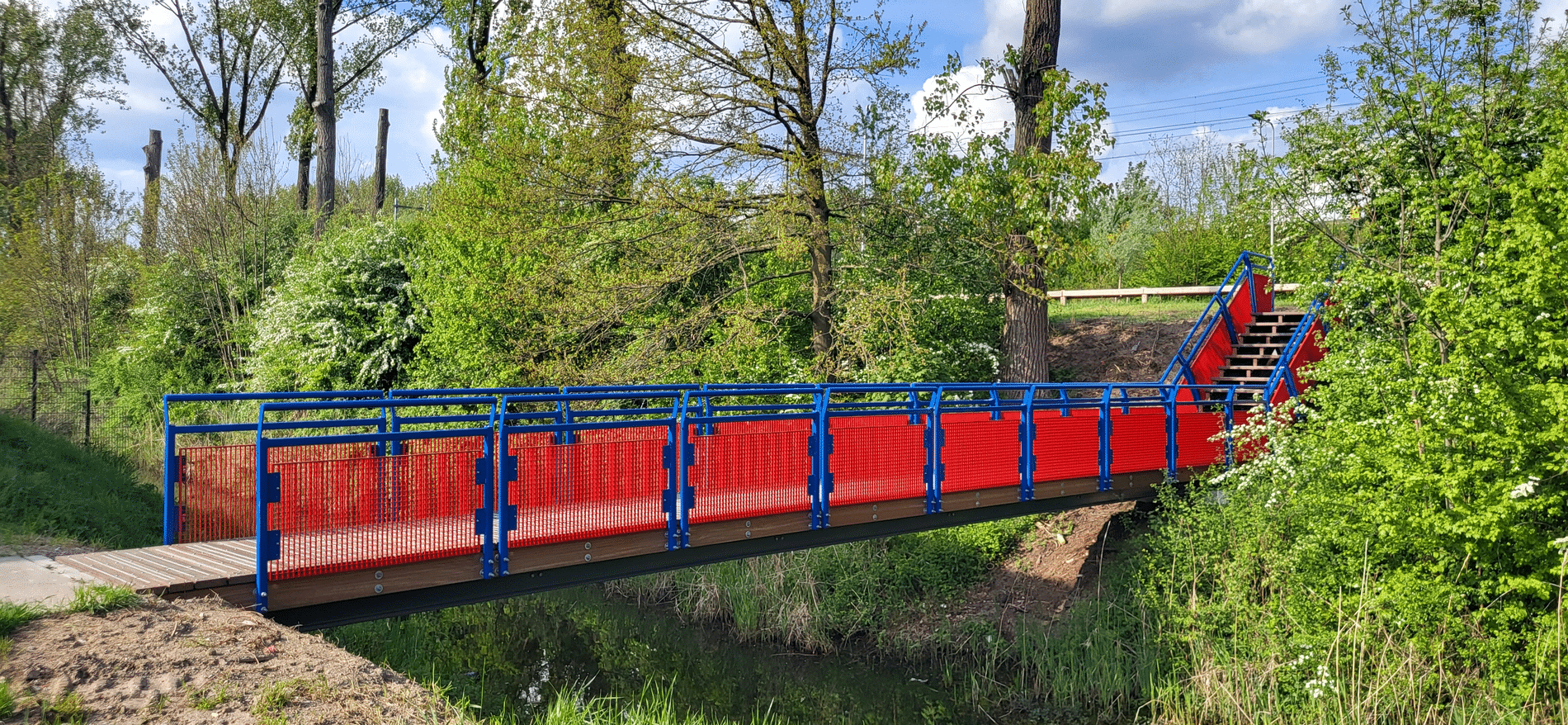
Two real-world examples illustrate what’s already happening across the country. Jeroen van Gaalen, a manager with the city of Arnhem, and Robbert de Metter of Meerdink Bruggen tell the audience all about the city’s circular bicycle and pedestrian bridges. They’ve already gained a lot of experience with reusing parts. Their most important tip: “Don’t be afraid—start small,” says De Metter, who shows one of the reused bridges via a video call. “Once you’ve successfully completed several smaller projects, you can take the next step toward greater impact.”
Next up is the Schieland and Krimpenerwaard Water Board, also via a video call. Somewhere in the polder by the water stand Gerben de Jong, project manager for dredging projects at the water board, and Johan Schilder of the dredging company J.P. Schilder. Behind them, a zero-emission dredger is working to restore a healthy riverbed. Schilder explains that his company invests a great deal of time and money in zero-emission dredging. “In return, we need clients who put out calls for zero-emission projects in the market.” De Jong therefore calls on water districts and municipalities to set aside funds for this. “That’s necessary to make investments like this possible in the market.”
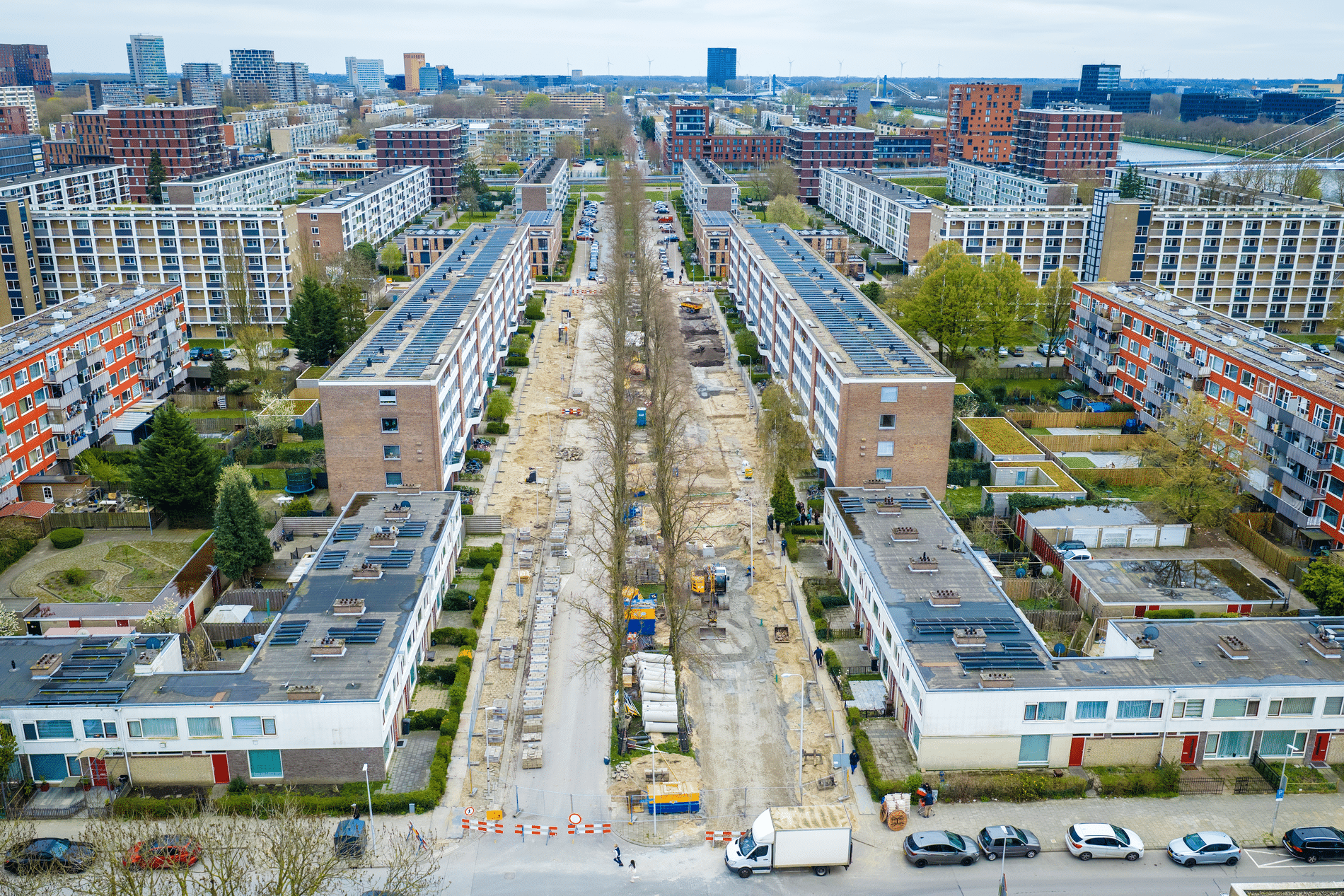
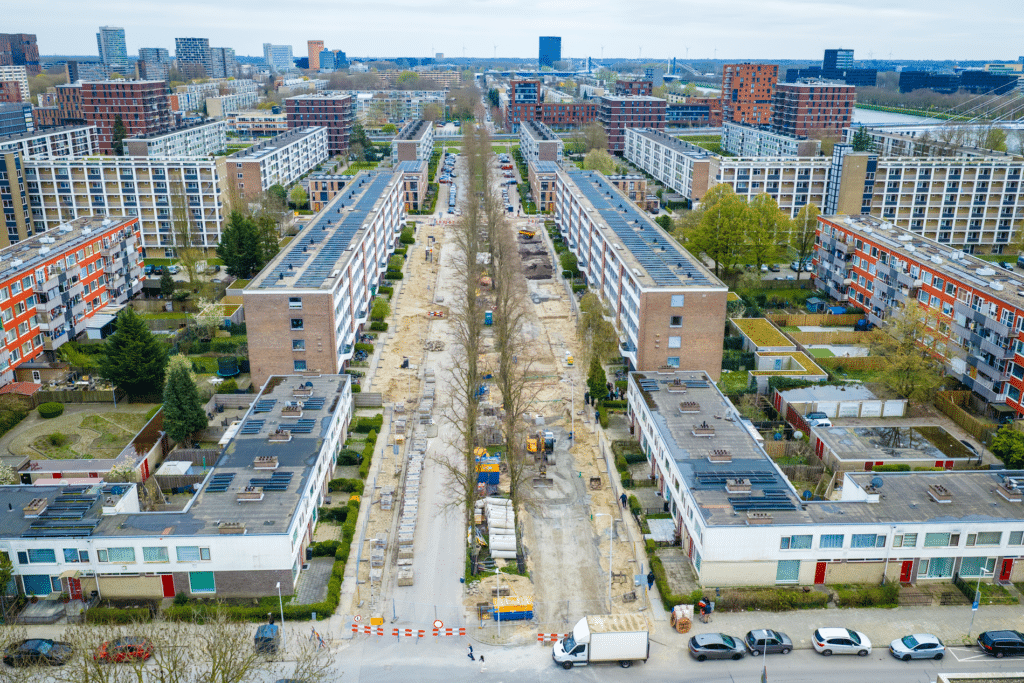
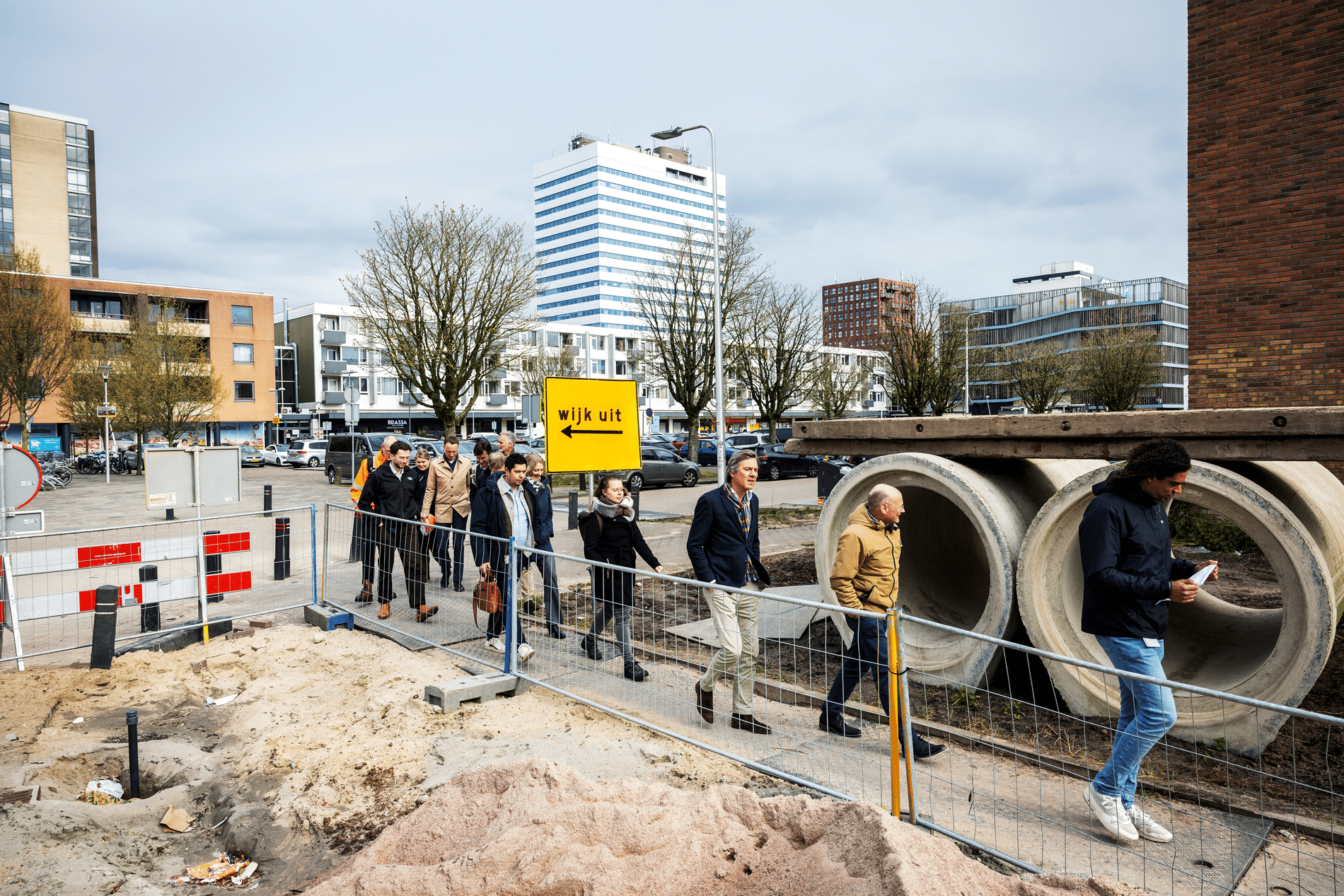
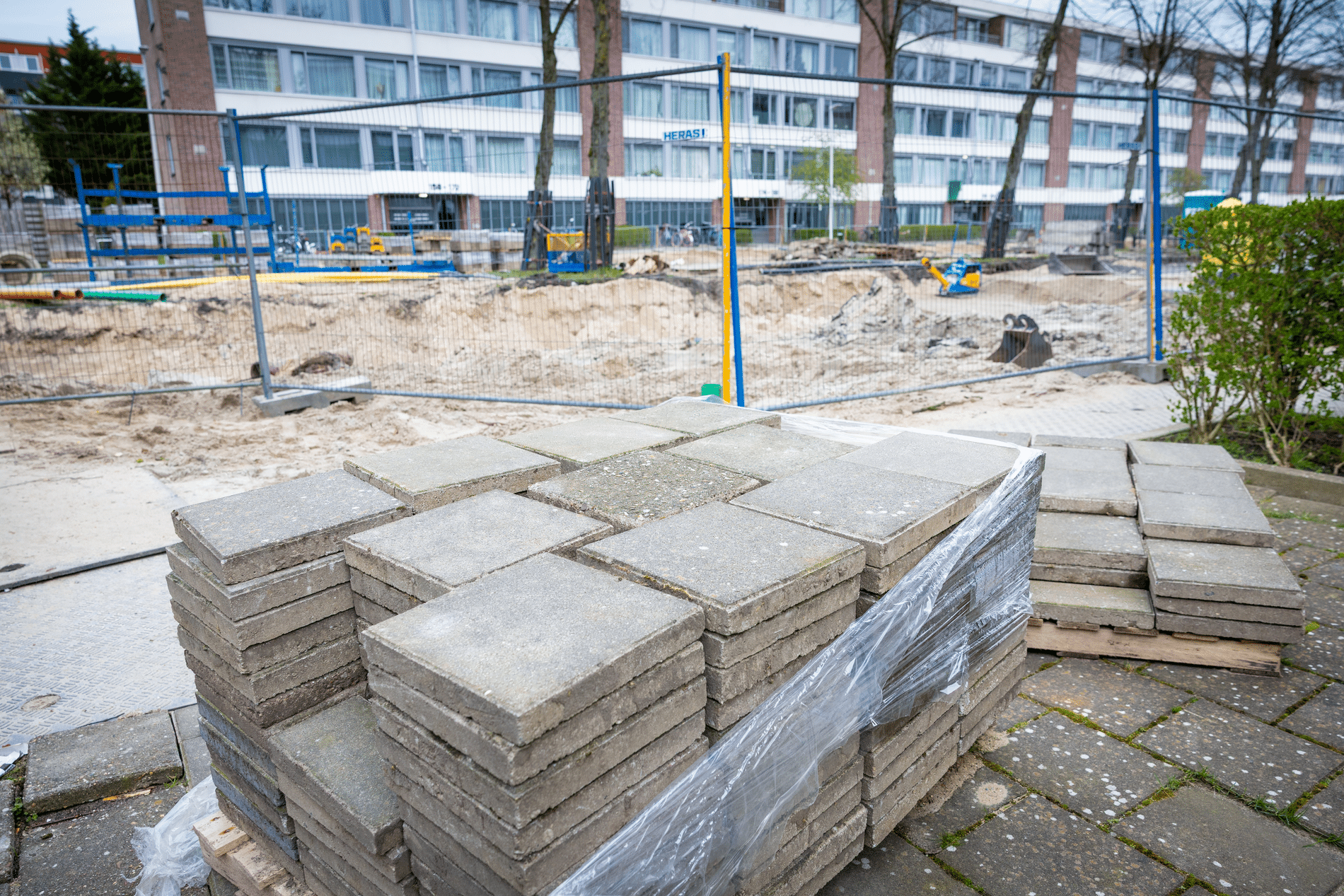
To conclude, the attendees head out onto the streets themselves. Accompanied by various project leaders from the City of Utrecht, they visit Bernadottelaan, one of the areas in Kanaleneiland that is being redeveloped. Circular, sustainable, and climate-resilient. Various materials, such as fired pavers and concrete sewer pipes, are lying along the roadside. Sourced from the city’s own raw materials depot, these materials are ready for a new life in the neighborhood. This demonstrates in Kanaleneiland exactly what the updated KCI roadmaps are intended for: putting sustainable infrastructure into practice.