Platform on civil engineering, underground infrastructure, energy, construction equipment & construction machinery
Base of grasses and herbs
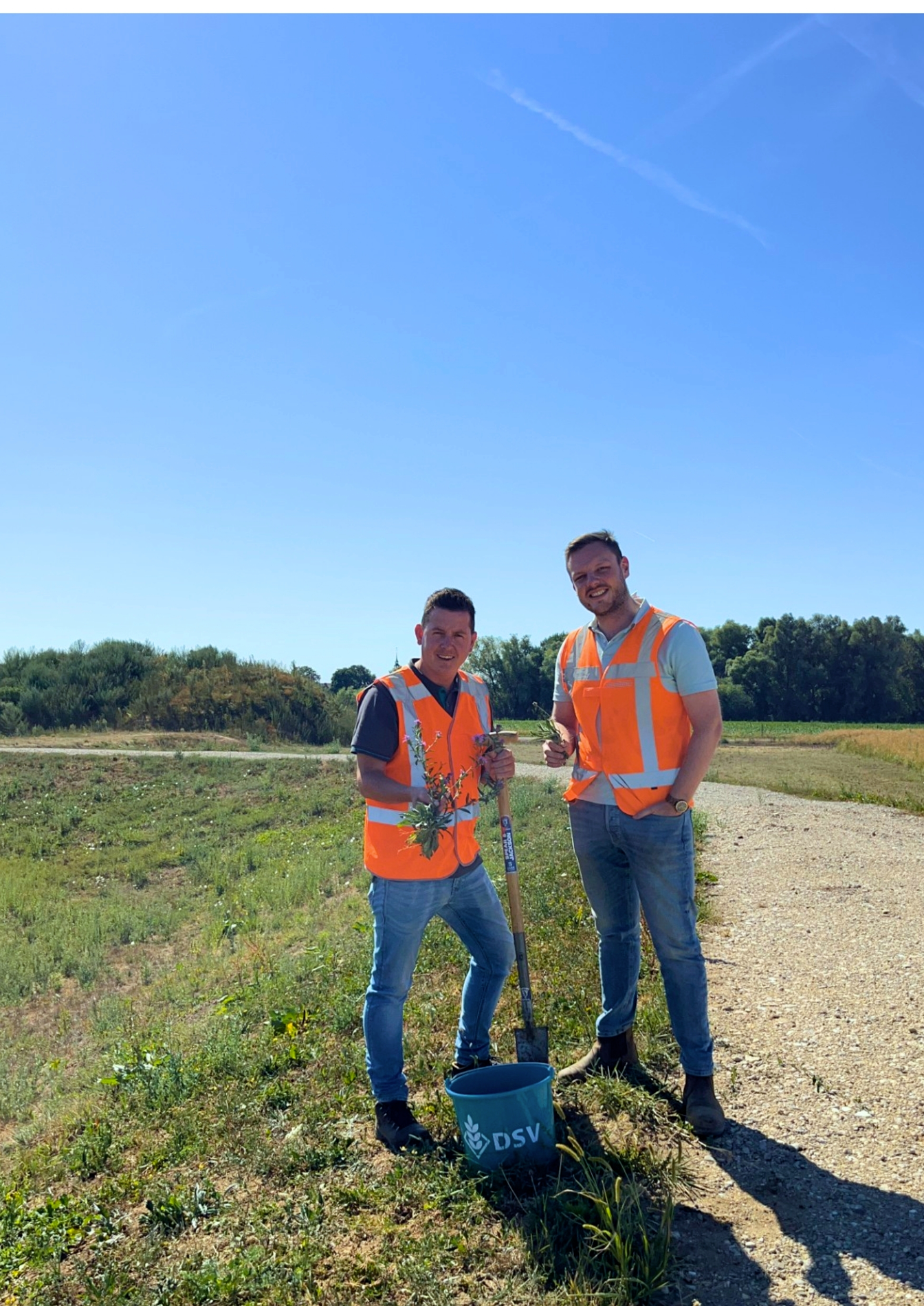
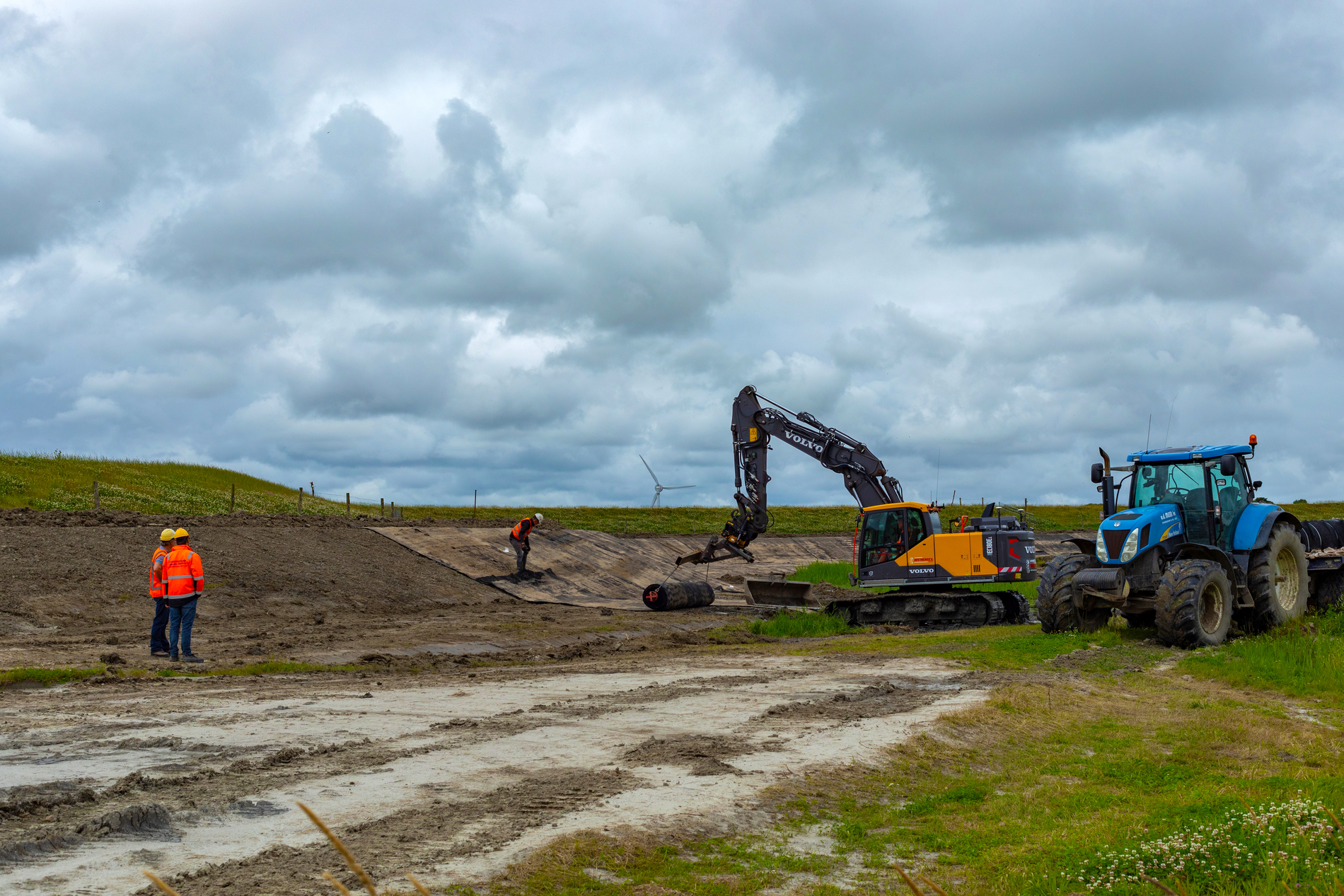
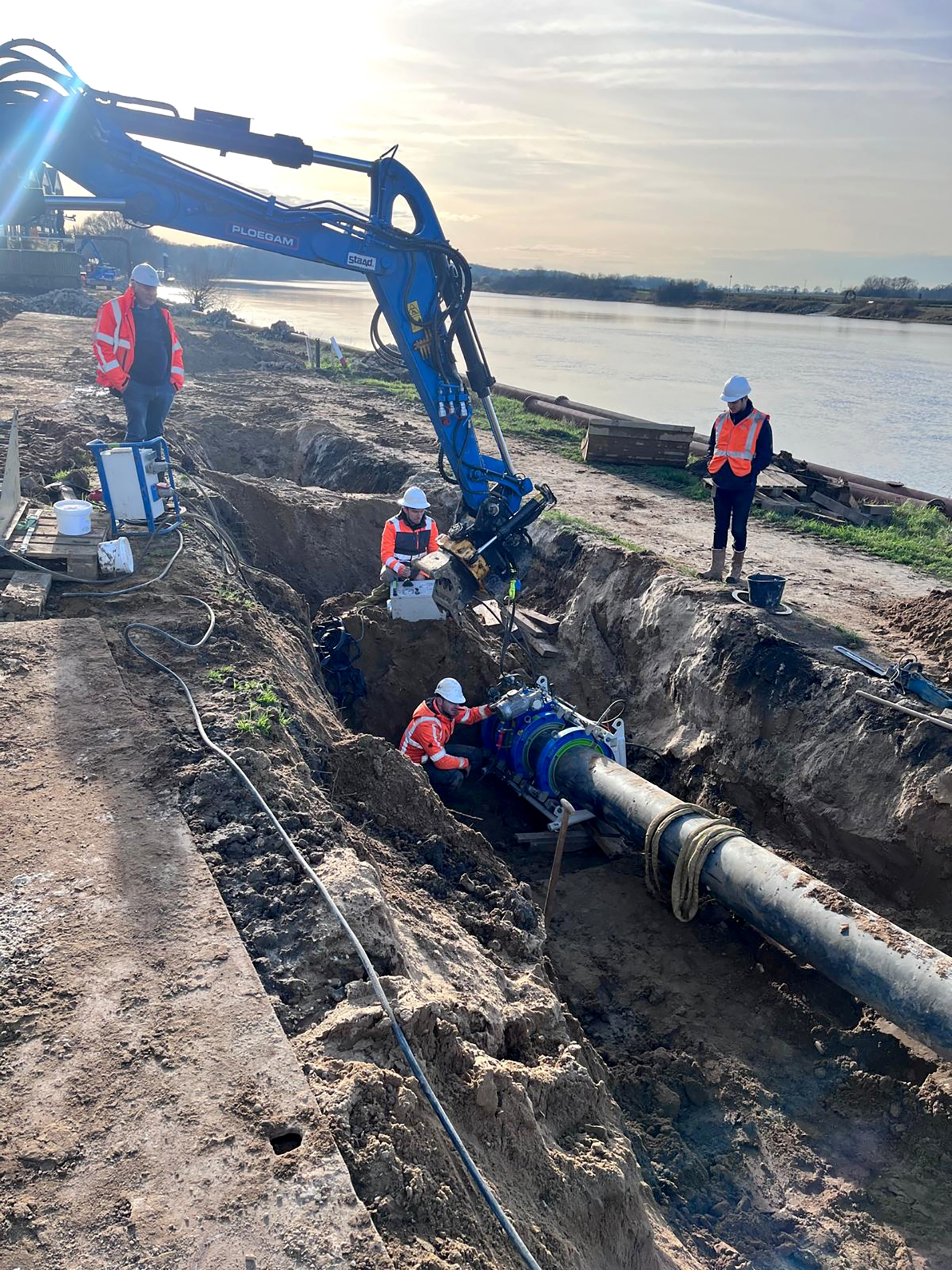
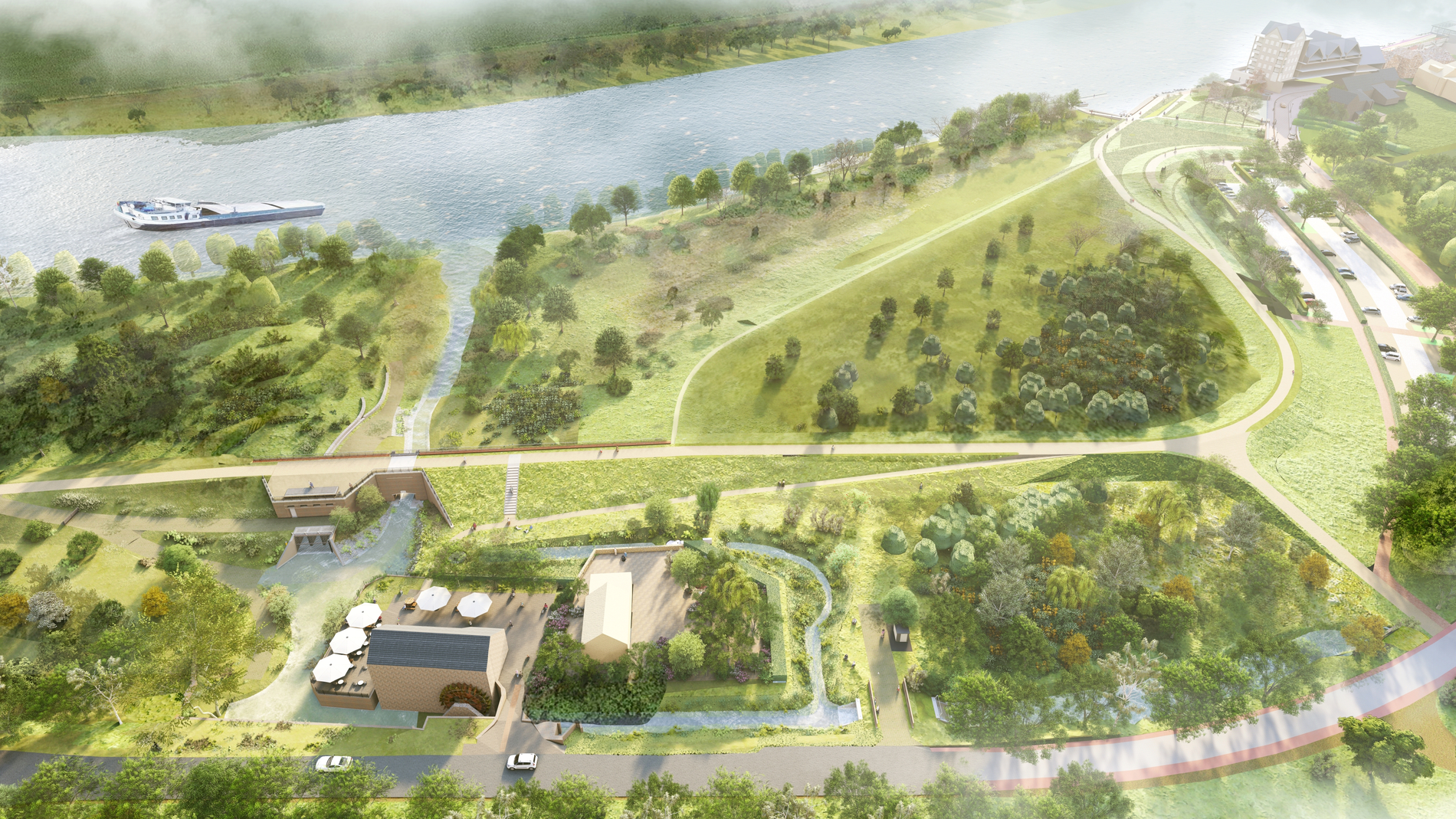
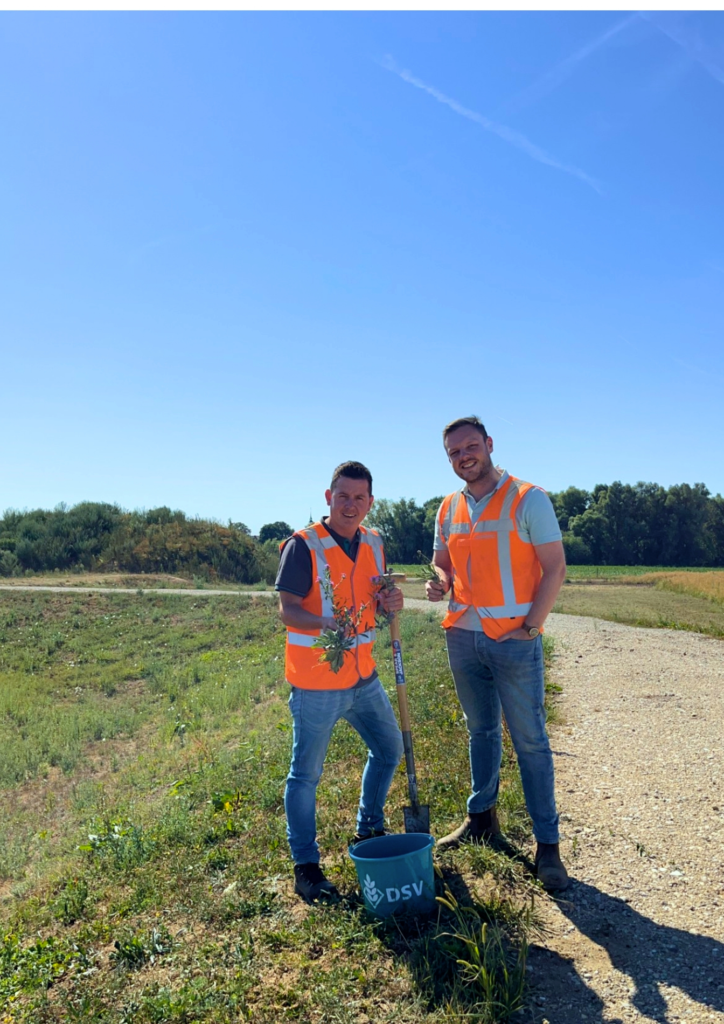
When walking along a green levee, people rarely stop to think about the vegetation growing on it. Yet a dense grass cover is much more than just an attractive finish for a flood defense structure. The right grasses and herbs play a key role in erosion control and thus contribute directly to flood safety. During the dike reinforcement project in Arcen, therefore, considerable attention was paid to the composition of the seed mixtures. DSV Zaden supplied specially formulated grass and herb mixtures for this purpose, which are being sown on the renovated dikes.
“During high water, a dike must be able to withstand erosion caused by rain, waves, and currents,” explains Thijs Schoenmakers, sales manager for recreational grasses. “That’s why a strong turf is so important—one made from high-quality seed with good germination rates and the right purity. A large portion of our seeds is propagated in the Netherlands, which means their origin is well-suited to local conditions.” DSV Seeds, based in Ven-Zelderheide, is no stranger to the field of seed mixtures for dikes. The company has previously supplied seed mixtures for dike reinforcement projects in locations such as Steyl-Maasbroek.
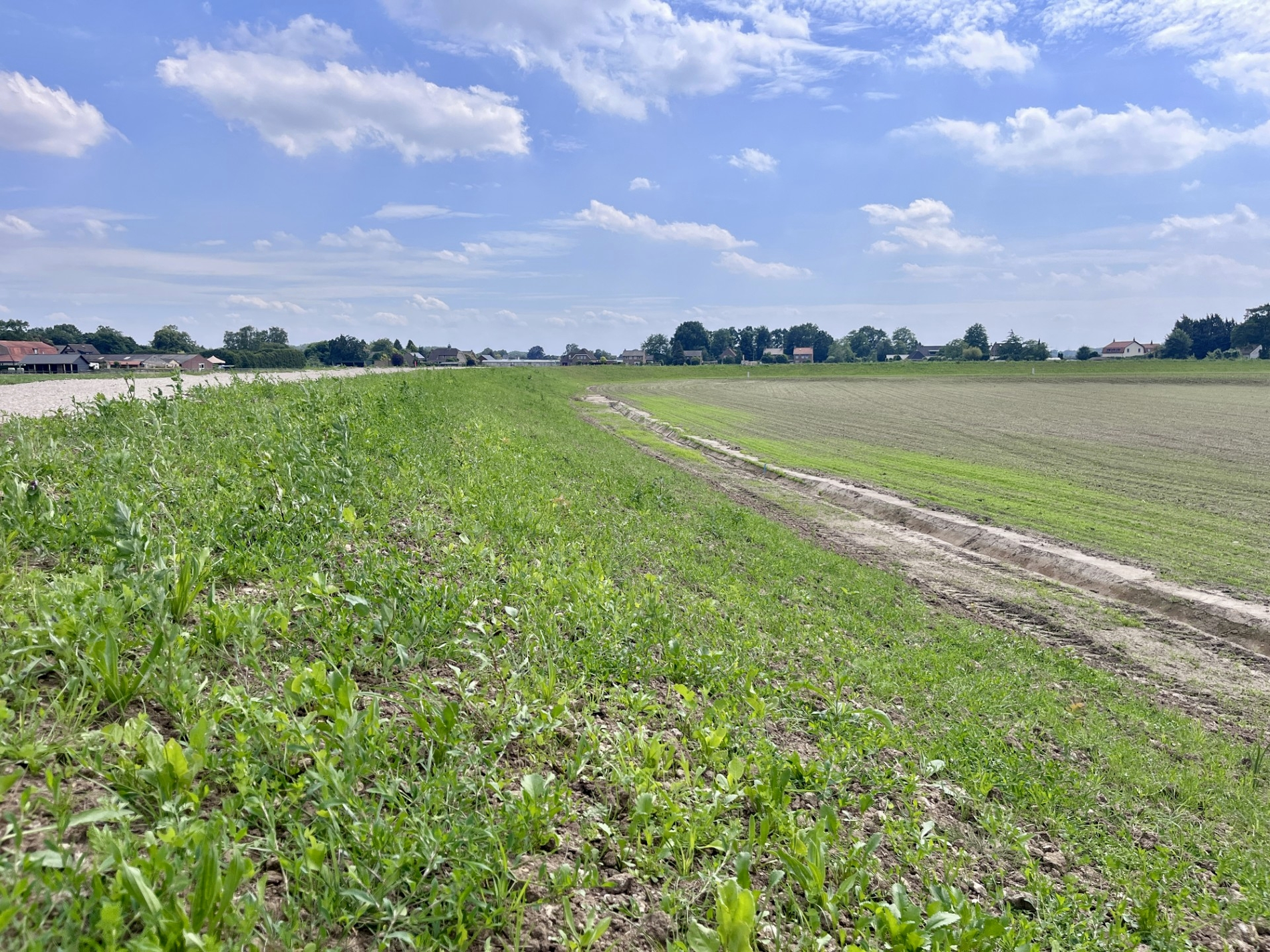
The Arcen Dike Zone Alliance chose the “Dijken Basis Gras” (DBG) and “Dijken Basis Kruiden” (DBK) mixtures as a starting point. DSV customized these mixtures based on the “Guidance on Grass Cover for Flood Defenses.” The grass mixture consists of approximately nine grass species. About 65 percent consists of species from the standard D1 mixture, supplemented by approximately 35 percent grass species that enhance species diversity on Dutch dikes. These include, among others, crested dog’s-tail, glossy oatgrass, golden oatgrass, ostrich grass, and common sweetgrass. These native species contribute to a strong and varied root system, making the top layer of the dike more resistant to erosion. In addition, the “Dijken Basis Kruiden” (DBK) mixture was selected, containing approximately twenty species, including yarrow, hop clover, wild daisy, knapweed, and field sorrel. This not only provides the dike with robust vegetation but also ecologically enriches the dike vegetation.
The first sections of the dike north of Arcen that were seeded benefited from favorable conditions. “After seeding in April, a wet period followed, allowing the grasses and herbs to germinate well. The first mowing took place in June. That first mowing is important because it stimulates the young grasses to form tillers and, at the same time, gives the slower-growing herbs room to grow. You only lay the foundation once. If the vegetation develops well in the beginning, it forms the foundation for a strong dike for years to come.” According to Thijs, the collaboration with the Arcen Dike Zone Alliance is going well. “We’re working on several dike reinforcement projects with Ploegam, one of the alliance’s partners. This helps build a long-term relationship. Communication is direct, and we’re familiar with the requirements for these types of projects.”