Platform on civil engineering, underground infrastructure, energy, construction equipment & construction machinery
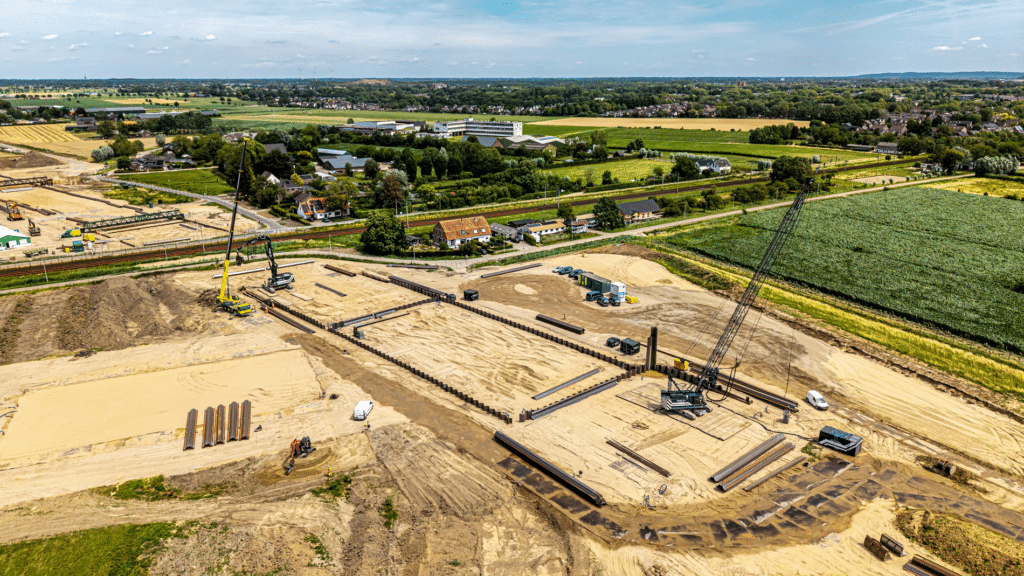
Challenge for a Foundation Specialist on ViA15
How do you construct nearly five kilometers of sheet piling on one of the Netherlands’ largest infrastructure projects, while ensuring that noise and vibrations are strictly limited in advance due to the proximity of residential areas? For foundation specialist Kandt BV, that question served as the starting point for carrying out the foundation work on one of the routes of the ViA15 project.
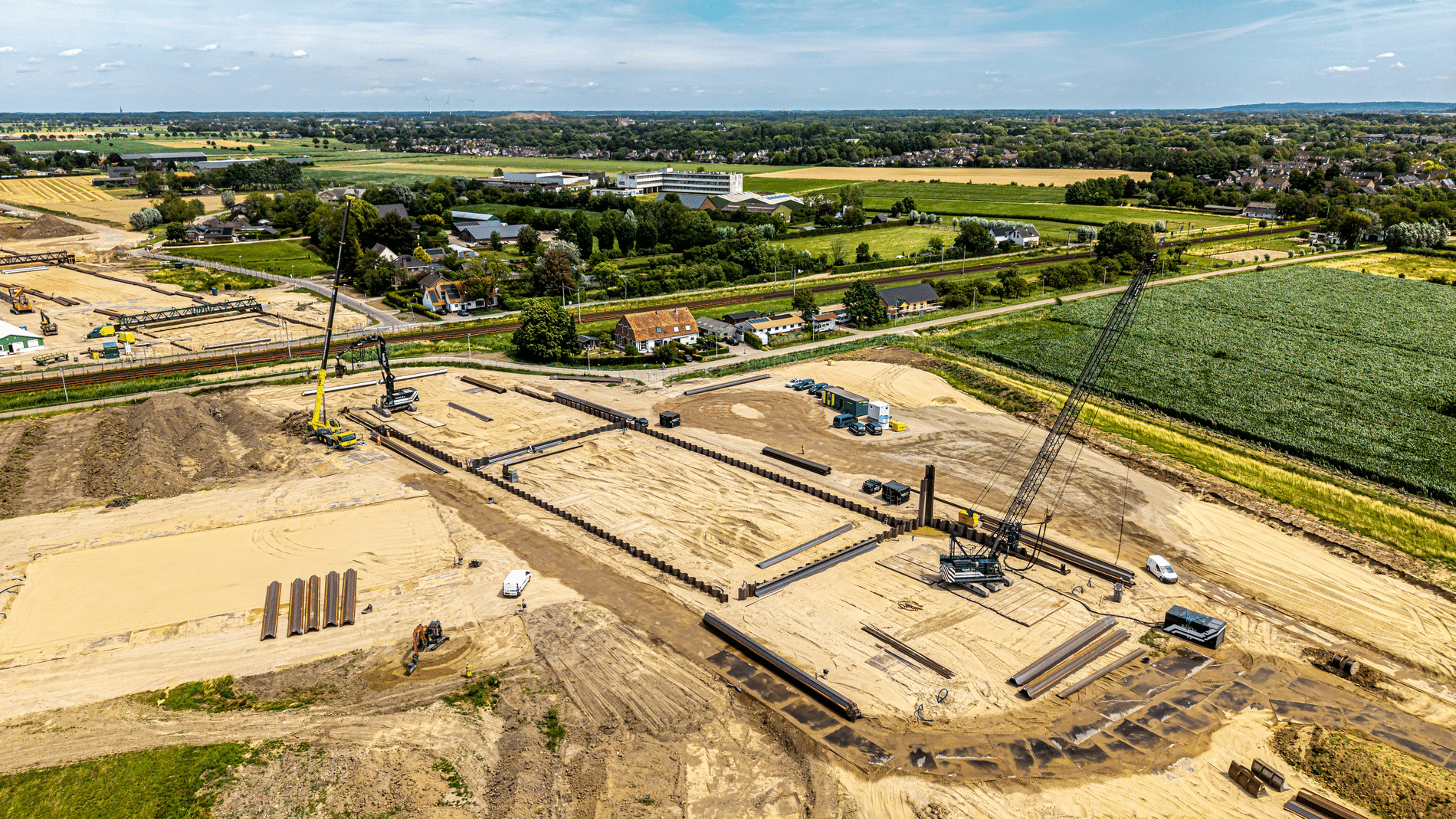
Commissioned by Rijkswaterstaat, the GelreGroen consortium—comprising Dura Vermeer, BESIX, HOCHTIEF, Van Oord, and John Laing—is working on the ViA15 project. This project involves widening the A12, extending the A15 to connect with the A12, and widening the existing A15. On one of the routes, the A15 will be extended from the Ressen interchange to the A12 between Duiven and Zevenaar. Starting this spring, Kandt will install a total of 4,850 meters of sheet piling for seven engineering structures between Groessen and Boerenhoek. The lengths of the sheet piling sections range from 10 to 25 meters.
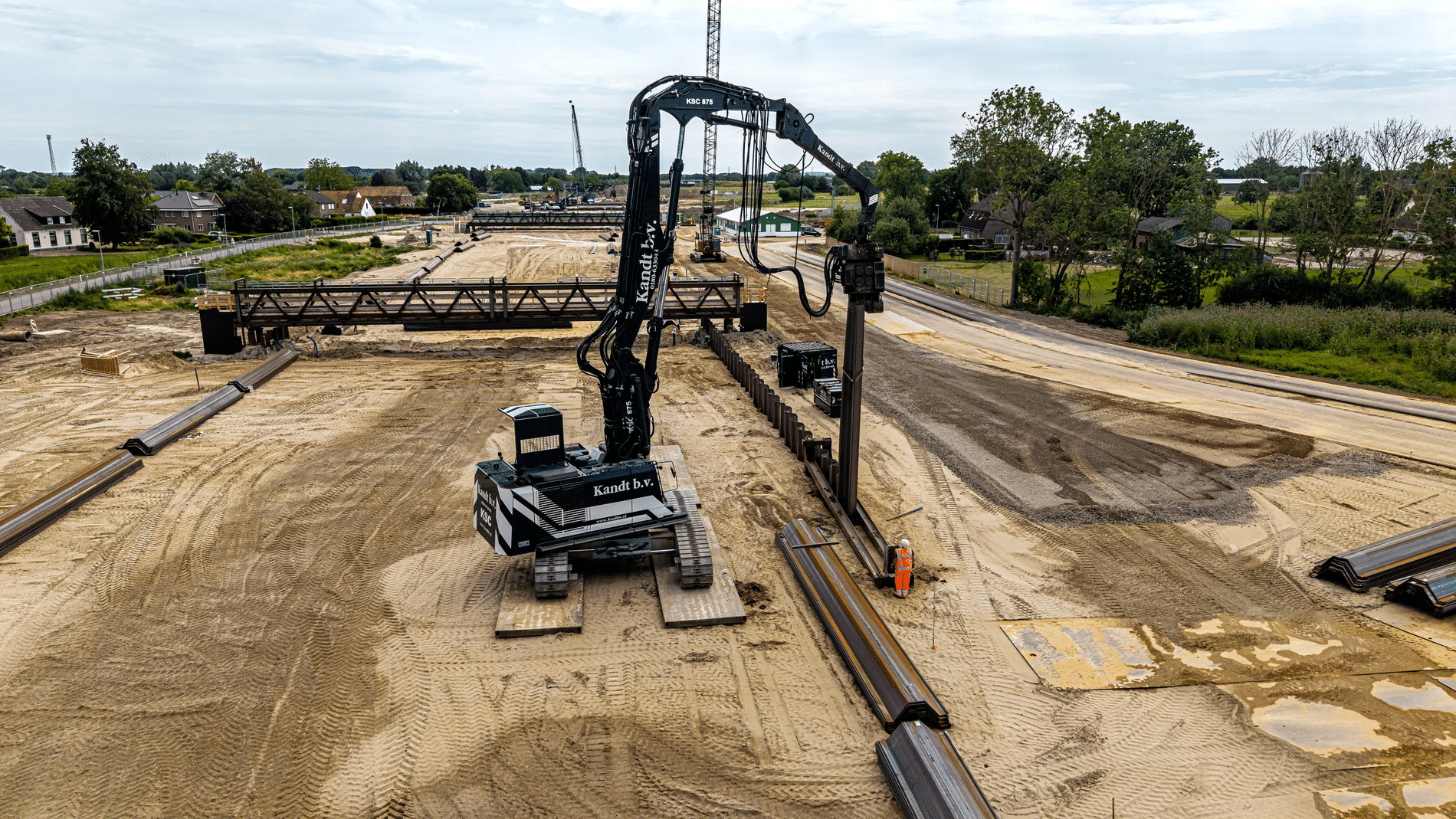
Although installing sheet piles is routine work for Kandt, this section of ViA15 has a unique dynamic. Rijkswaterstaat and the GelreGroen construction consortium had made prior agreements with the local community regarding the maximum noise and vibration levels during construction. For Kandt, this meant that the main challenge lay in how the work had to be organized. One question was central to this: how can the required output be achieved while staying within the established noise and vibration standards?
“You can’t turn down the noise from a vibrating pile driver, and the energy required to drive a sheet pile into the ground isn’t infinitely adjustable either. That means you have to manage the process in other ways,” explains Bastiaan Verheul, head of the planning department at Kandt. This management was achieved through a combination of control measures. For example, working hours were adjusted from the usual 7:00 a.m. to 4:00 p.m. to a work window from 8:00 a.m. to 5:00 p.m. In addition, GelreGroen conducted extensive research in advance on the effects of various activities on noise levels. Based on this, it was determined which activities could take place simultaneously and which needed to be separated to prevent noise standards from being exceeded. For Kandt, this meant that the implementation schedule was largely fixed, so rescheduling work was not a realistic option. Bastiaan: “Normally, our people focus on achieving the highest possible productivity throughout the day. On this project, we had to pay much closer attention to when we were actually generating noise and how we could spread that out over the course of the day.”
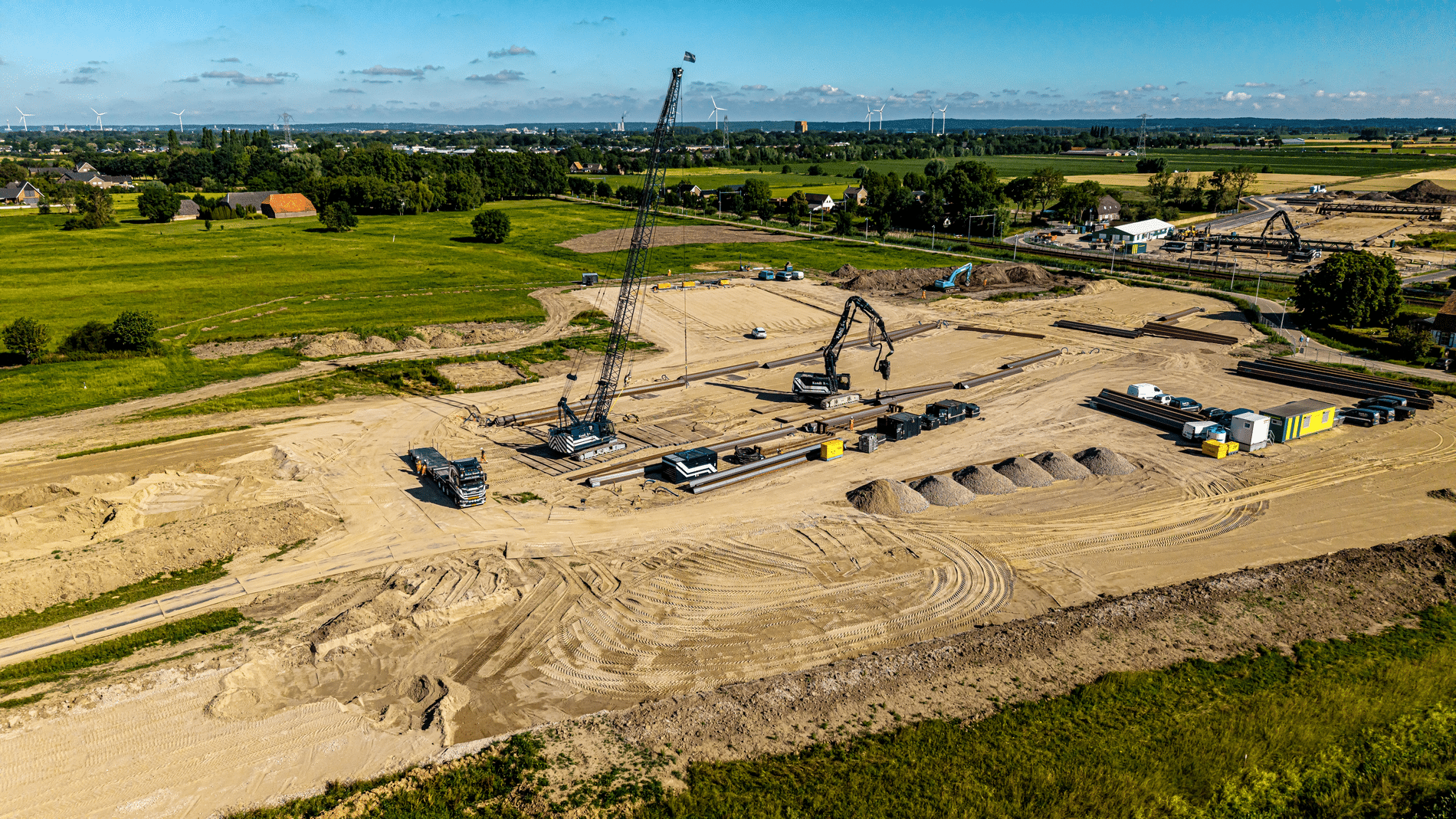
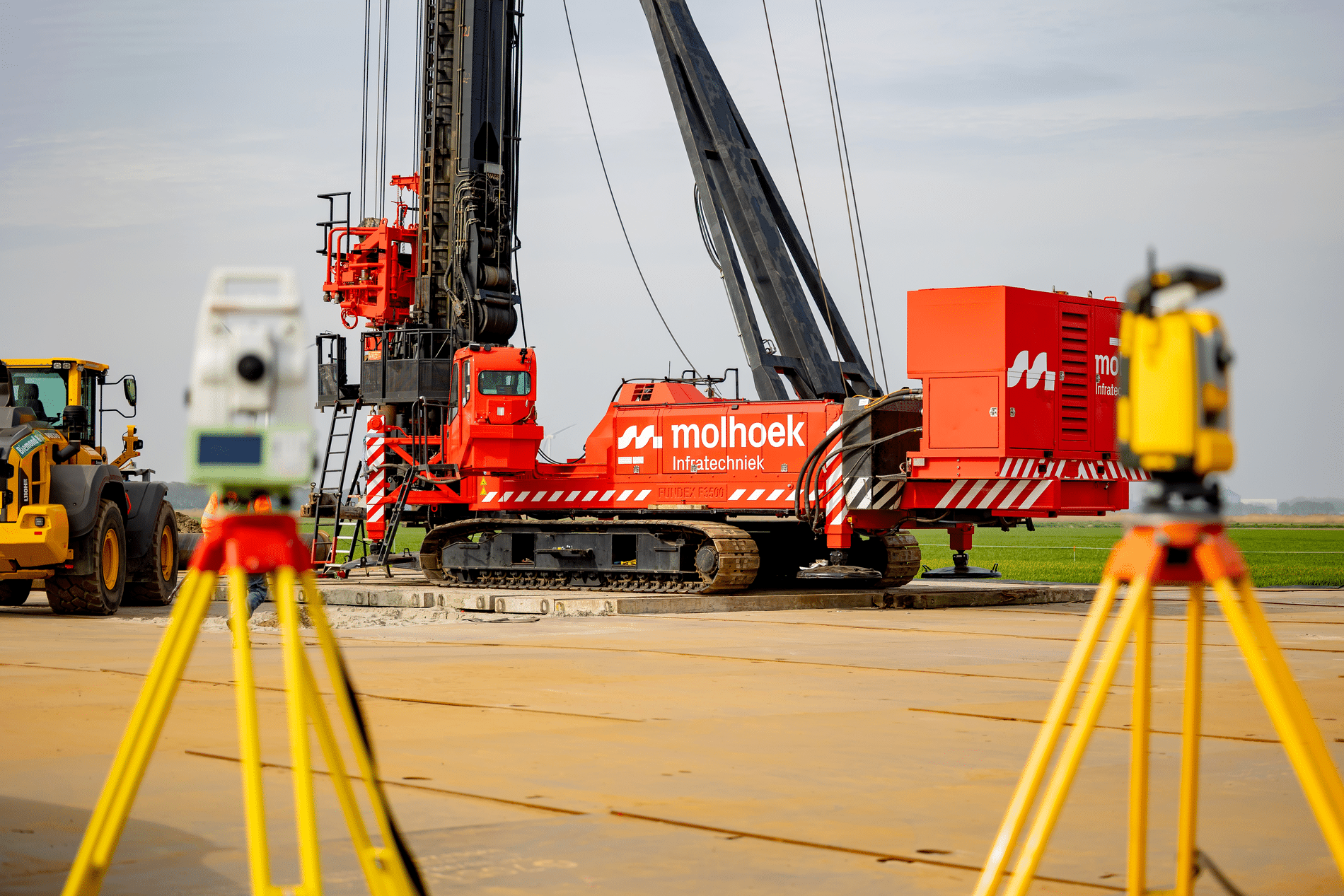
Based on the available noise tolerance, Kandt established a minimum and maximum daily output. Three machines were then deployed simultaneously to spread the work out in a controlled manner throughout the day. The choice of equipment also played an important role. “Where possible, we used hydraulic pile-driving machines. This makes production easy to manage and allows for efficient work on shorter sheet piles. For the longer sheet piles, however, a wire crane with a suspended vibrating block was necessary. This technique results in lower output, but is technically necessary for the longer elements.”
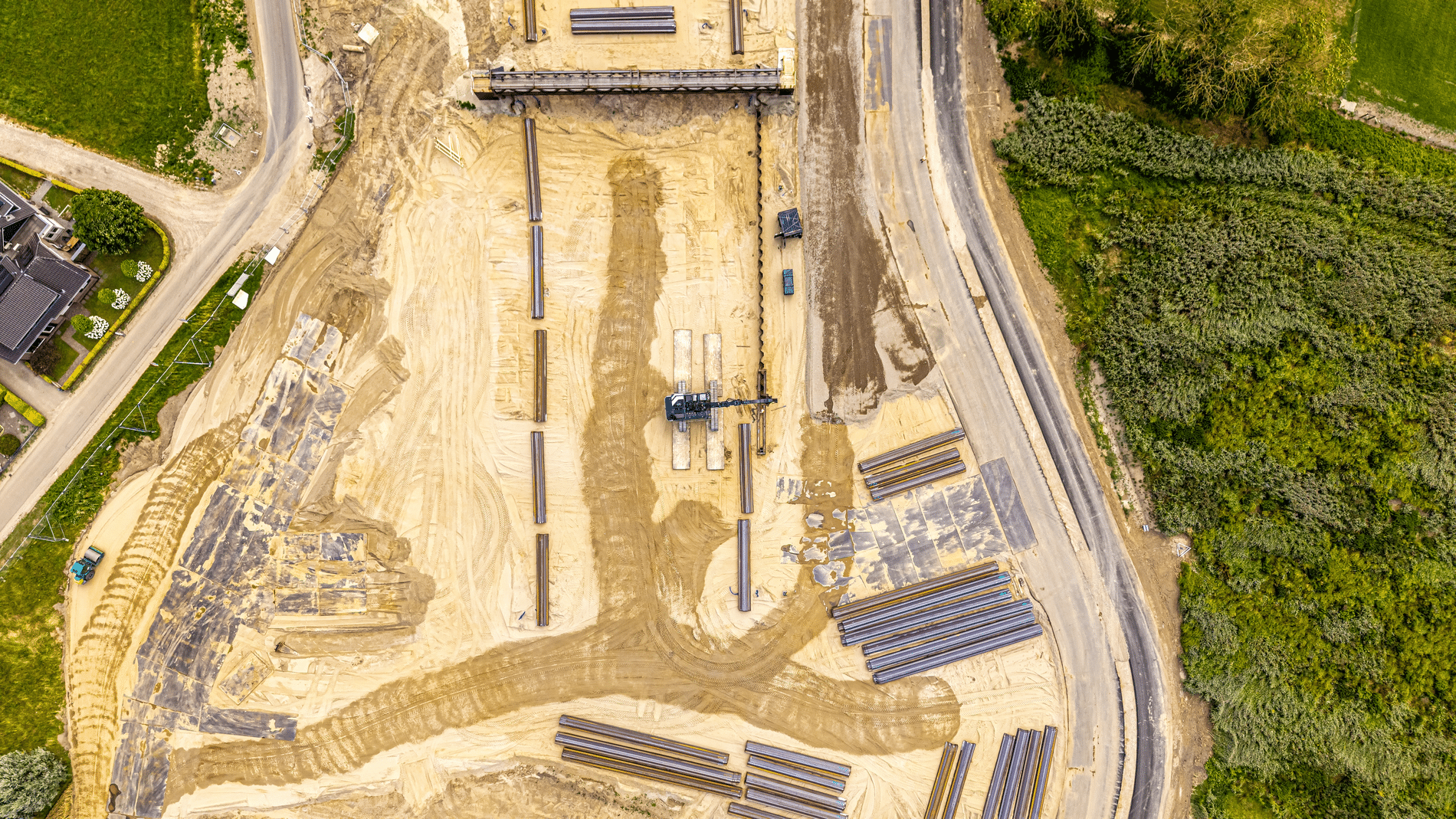
According to Bastiaan, the biggest challenge ultimately lay not only in the technical aspects, but above all in the collaboration. “There were almost daily consultations and coordination meetings between us and the GelreGroen team regarding planning, monitoring, and the progress of the work. This allowed us to adjust the work as needed without losing sight of the schedule or the surrounding area.”
Neem dan rechtstreeks contact op met Kandt Aannemings- en Funderingsbedrijf BV.
 Contact opnemen
All round foundation company. Kandt Aannemings- en Funderingsbedrijf BV is an all-round foundation specialist working in the Netherlands, Belgium and Germany. The company has 75 employees. This makes the company a medium-sized player in the market, with a very wide range of possibilities and applications. Kandt b.v. is a very versatile company: at our [...]
Bekijk Bedrijfsprofiel