Platform on civil engineering, underground infrastructure, energy, construction equipment & construction machinery
What do Stone Age hunters, badgers, the boxelder bat and the highway on the narrowest stretch of the Netherlands have in common? They all come together on the A2 between the junctions Het Vonderen and Kerensheide. On this 18-kilometer stretch, Rijkswaterstaat is working on structural widening. There will be an extra lane and a full-fledged emergency lane in both directions. The intervention is necessary to improve traffic flow, accessibility and road safety on one of the busiest highways in Limburg. Environmental manager Eric Eussen brings us up to date.
Widening has been a topic of discussion for many years, Eussen begins. “Studies showed twenty years ago that the traffic intensity on this part of the A2 was structurally too high for the existing road profile. A rush-hour lane was set up as a temporary measure, but it offers no lasting solution. Due to the lack of good alternatives, every traffic jam or accident also leads to large-scale traffic bypasses through surrounding villages and towns, resulting in unsafe situations and a great deal of inconvenience. That is why a robust, future-proof widening of the freeway has been chosen.”
After years of preparation, research and coordination, the route decision was adopted in 2019. “In 2025, the project actually went into execution,” Eussen says. “First with the relocation of an enormous amount of cables and pipes, but also with the necessary research with regard to archaeology and soil at those locations where the widening is being realized. Special finds have been made, including Iron Age and Roman remains, and even a settlement from the Late Stone Age, about 3,500 years before Christ. Furthermore, we have the necessary ecological challenges, including with badgers and bats, which together with additional archaeological research, various soil sanitizations and the control of undesirable plant species lead to a considerable extra scope and two years of extra construction time. For example, artificial setts have now been built to passively relocate the badgers and management measures are being implemented to preserve the highly protected bat species, such as wider fauna passages and green crossing facilities. These measures must be fully implemented before the actual widening is allowed to begin.”
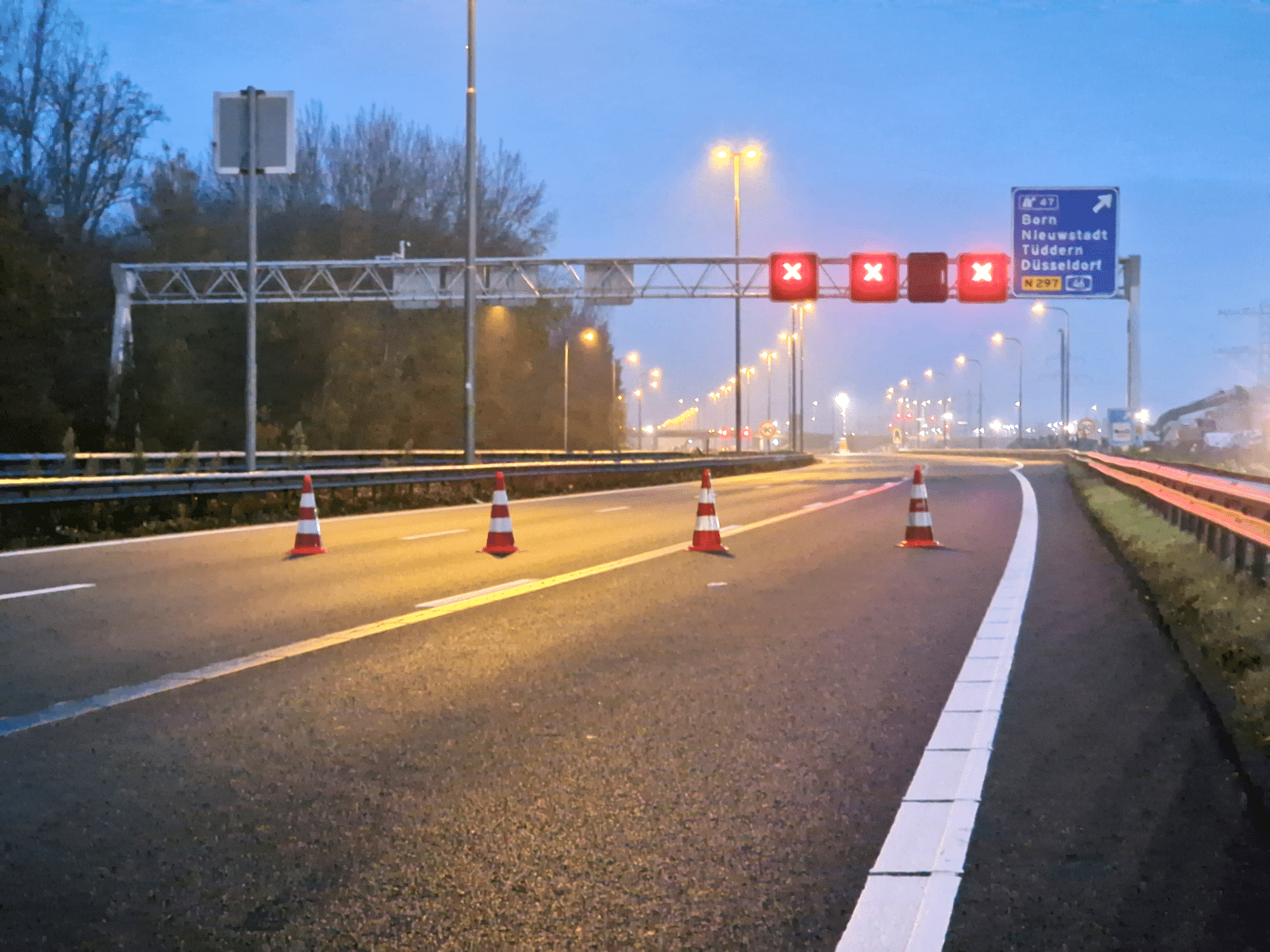
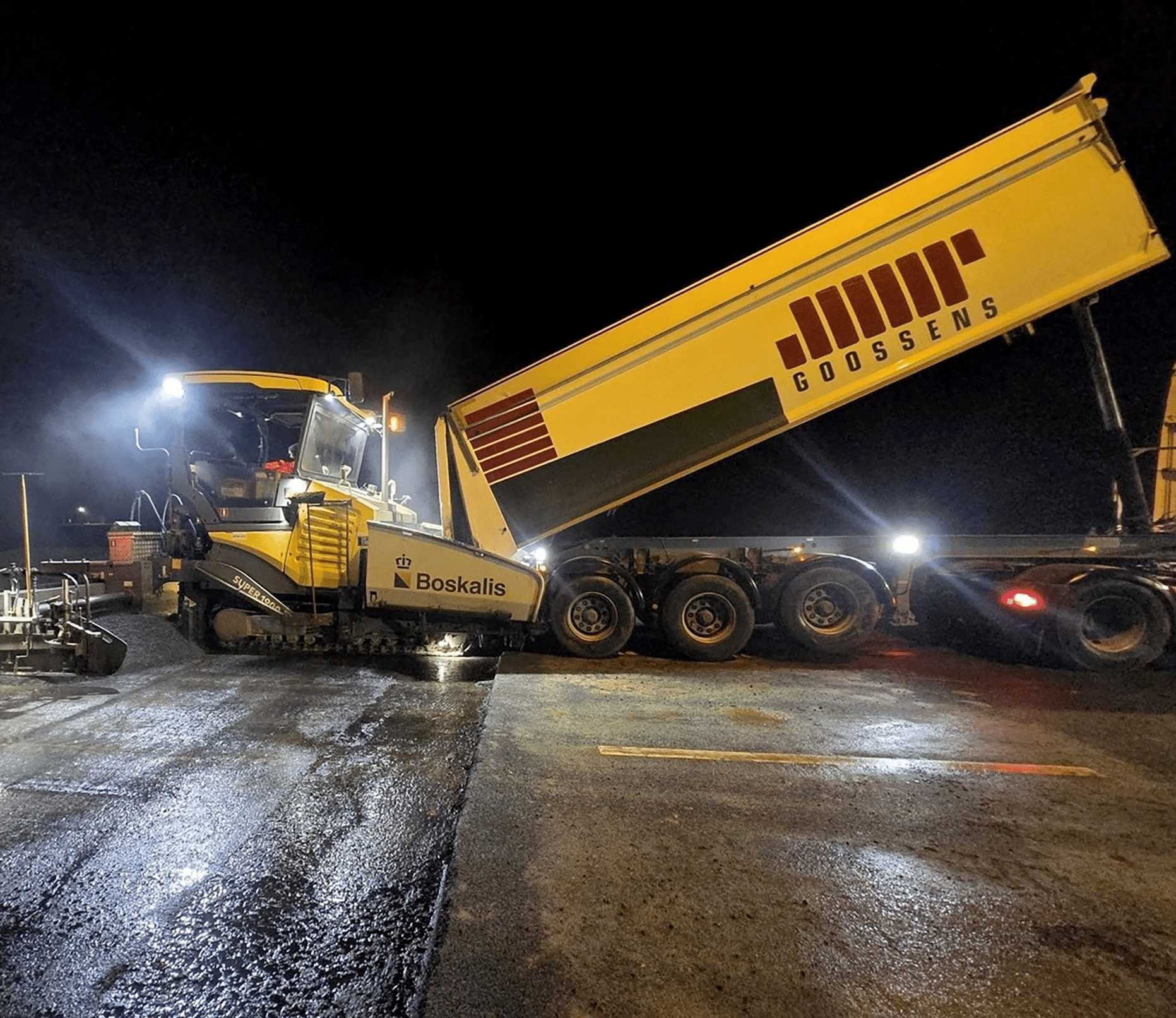
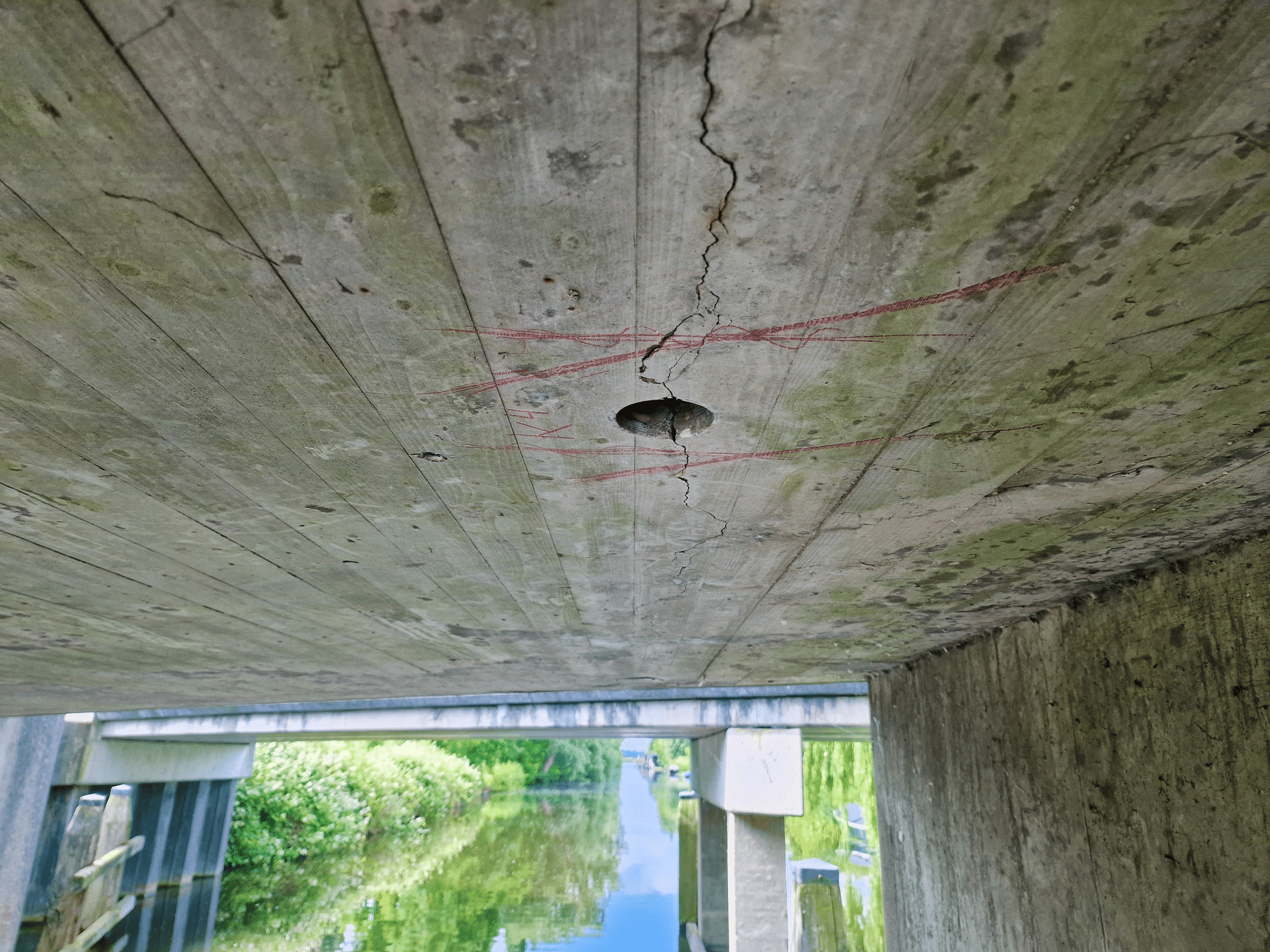
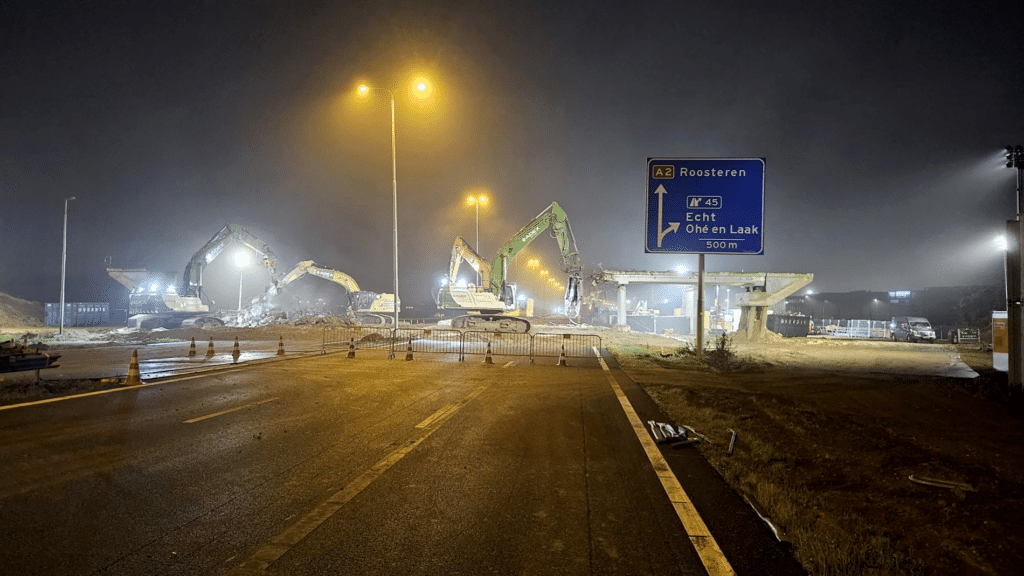
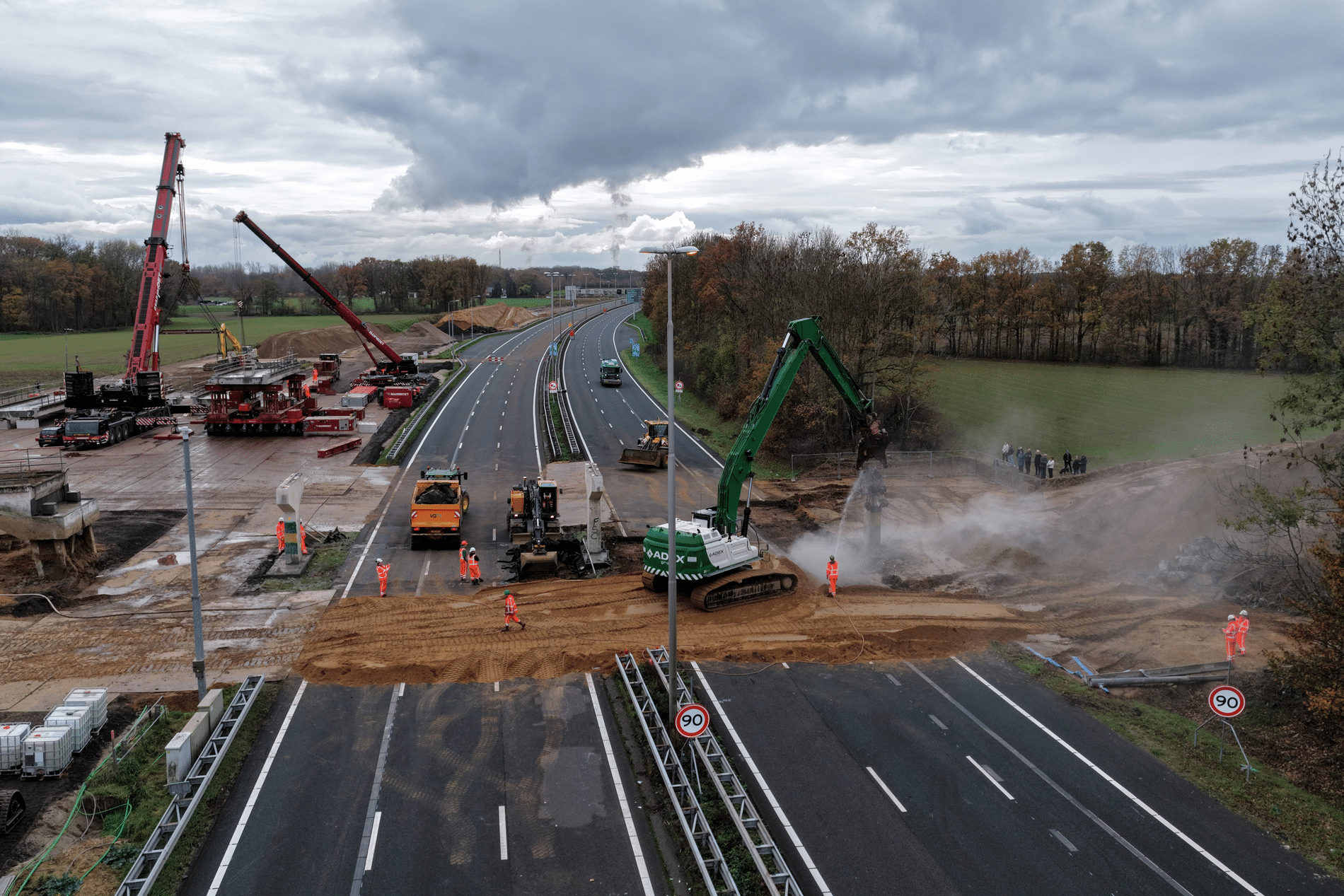
Seventeen structures are located on the route. “Of these, thirteen will be demolished and eleven rebuilt, and another four fauna passages will be constructed,” Eussen explained. “In November 2025, the first major weekend closure took place, which included demolishing two viaducts, installing large cable ducts under the A2, and laying the groundwork for the construction of new crossings and viaducts. This marked the visible beginning of implementation. The contractor, Boskalis, developed phasing with minimal traffic disruption. A total of seven such large-scale weekend closures are planned; the next will take place in October 2026. Thanks to intensive communication, traffic controllers, more than a thousand temporary traffic signs and good coordination with the surrounding area, authorities and emergency services, the first weekend closure was a great success. There was up to 75 percent less traffic on the highway. Traffic-wise, the closure did not lead to any problems. The trick for us is to repeat that for the next six weekend closures.”
In the design of the widening, explicit attention has been paid to the surroundings. “In the new cross section there is both an obstacle-free zone and a parkway. The parkway is 15 meters wide and the obstacle-free zone 13 meters, situated at those locations where there is no noise barrier,” says Eussen. “In addition, efforts are being made to address flooding and nature development, with ecological connections under the A2 and additional water drainage for the Geleenbeek.” The widening of the A2 is expected to be completed in 2029. This will make the stretch ready for the future: safer, more accessible and carefully fitted into its surroundings.