Platform on civil engineering, underground infrastructure, energy, construction equipment & construction machinery
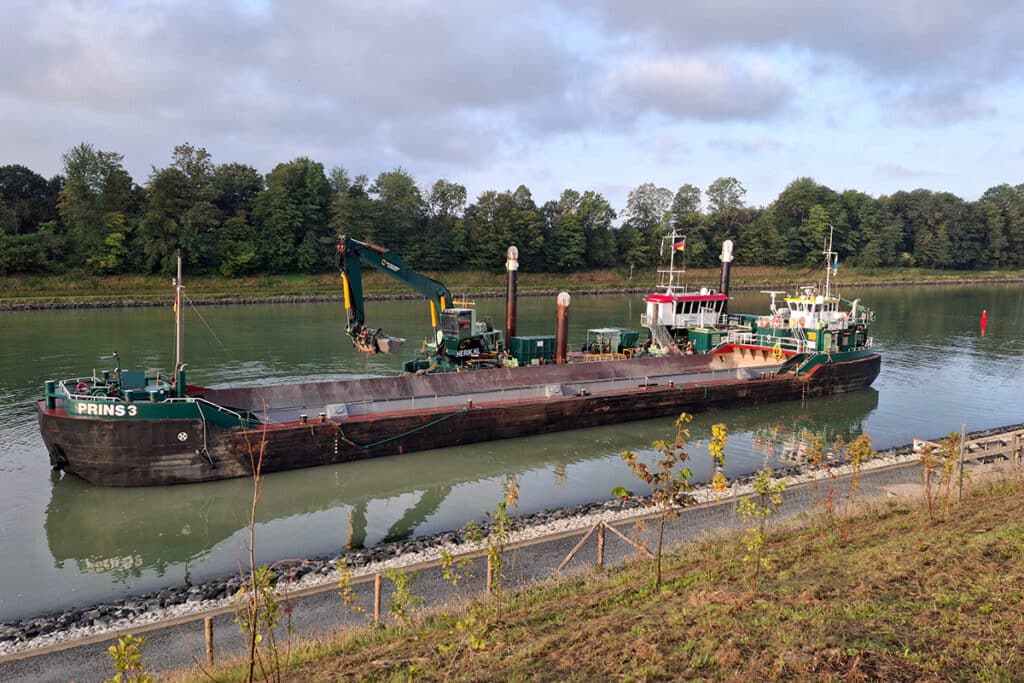
Hydraulic engineering under complex conditions
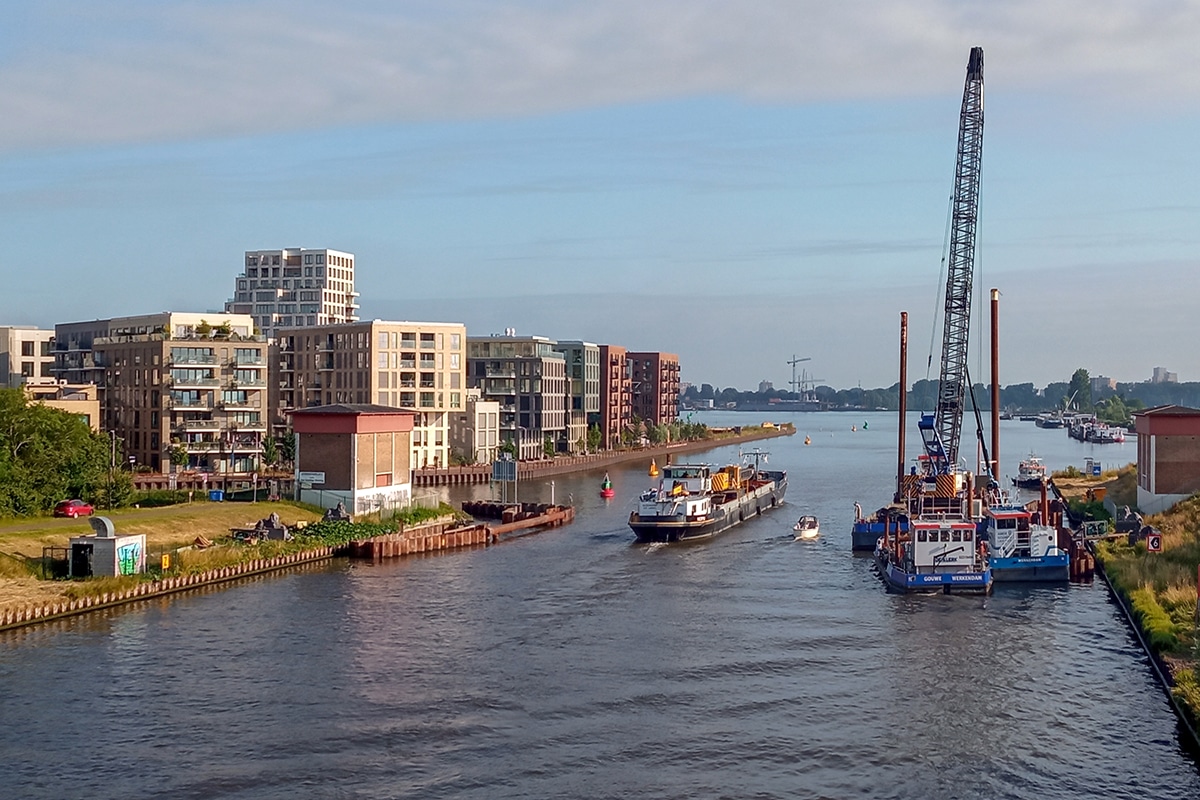
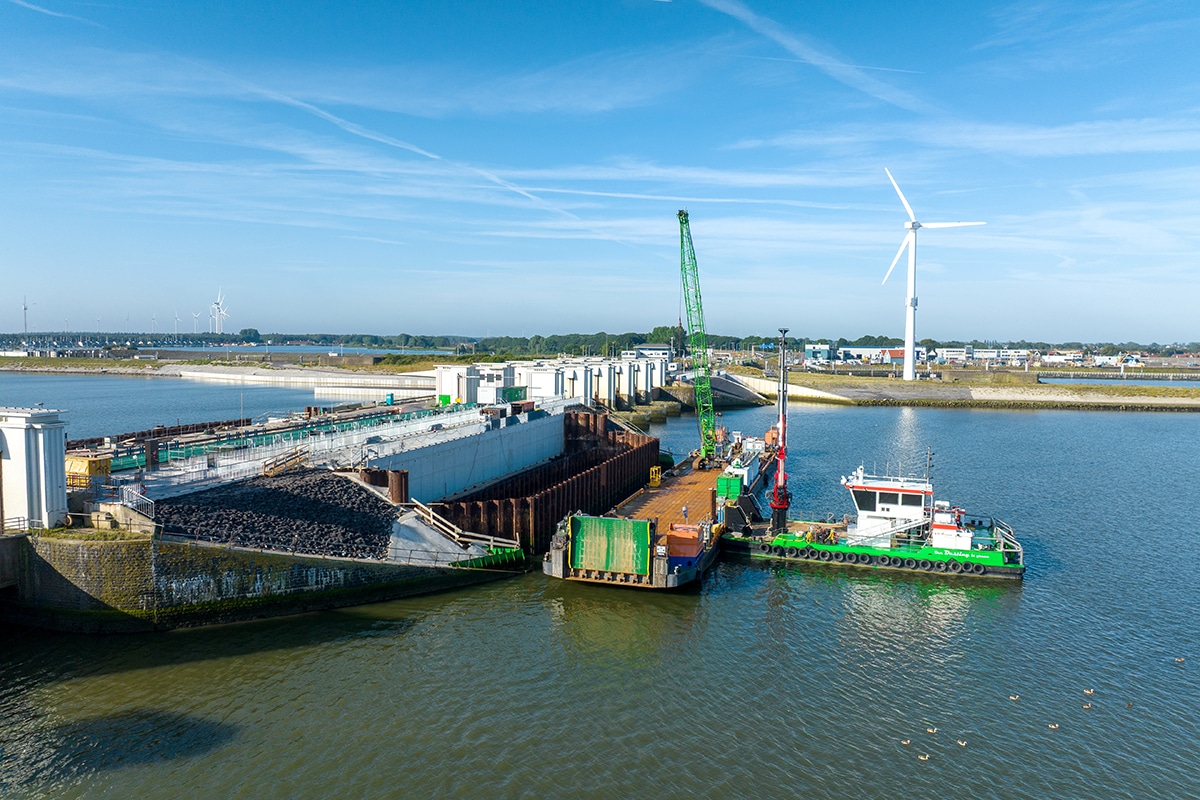
The eastern section of the North East Sea Canal in Germany has been a bottleneck for shipping for years. The canal strip was constructed more than a century ago under Kaiser Wilhelm. Increasing shipping traffic and larger ships increased the strain and pressure on the banks, while parts of the stretch still had the dimensions from 1914. As a result, large ships could not pass each other and had to pass one by one. To make the canal future-proof, a large-scale widening started. Van den Herik-Sliedrecht cooperated within a joint venture on a 4.5 kilometer long section between Großkönigsförde and Groß-Nordsee.
The project was commissioned by WNA Nord-Ostsee-Kanal, which involves widening the canal bed in stages from 44 to at least 70 meters and widening sharp bends.
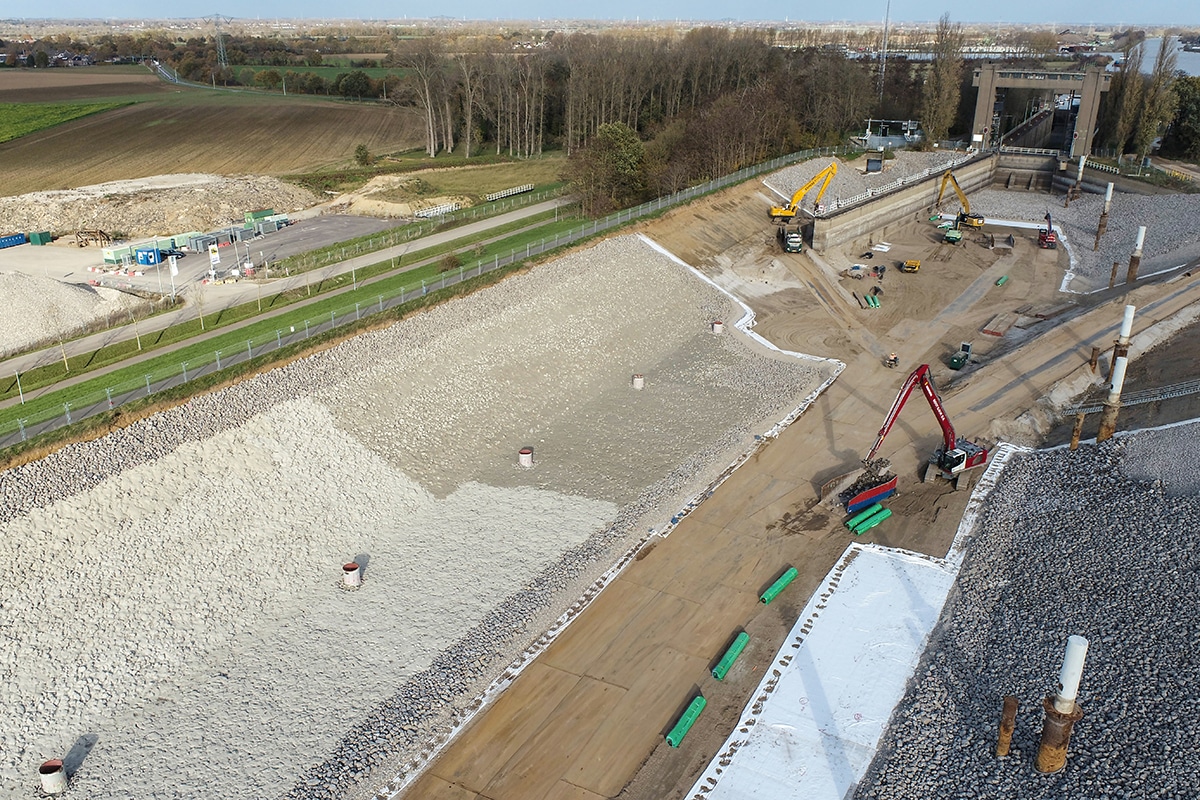
This subsection consisted of several embankments with large height differences and a highly heterogeneous soil structure, which affected stability. Also, shipping continued during the work. “That kind of thing made the widening complex both technically and logistically,” says Teo Huisman, regional manager abroad at Van den Herik. “Sometimes 20 meters of dry excavation had to be done before we got to the waterline.” A total of 1.5 million cubic meters of dry soil material was excavated and then some 1.1 million cubic meters of wet disposed of in the dredging phase.
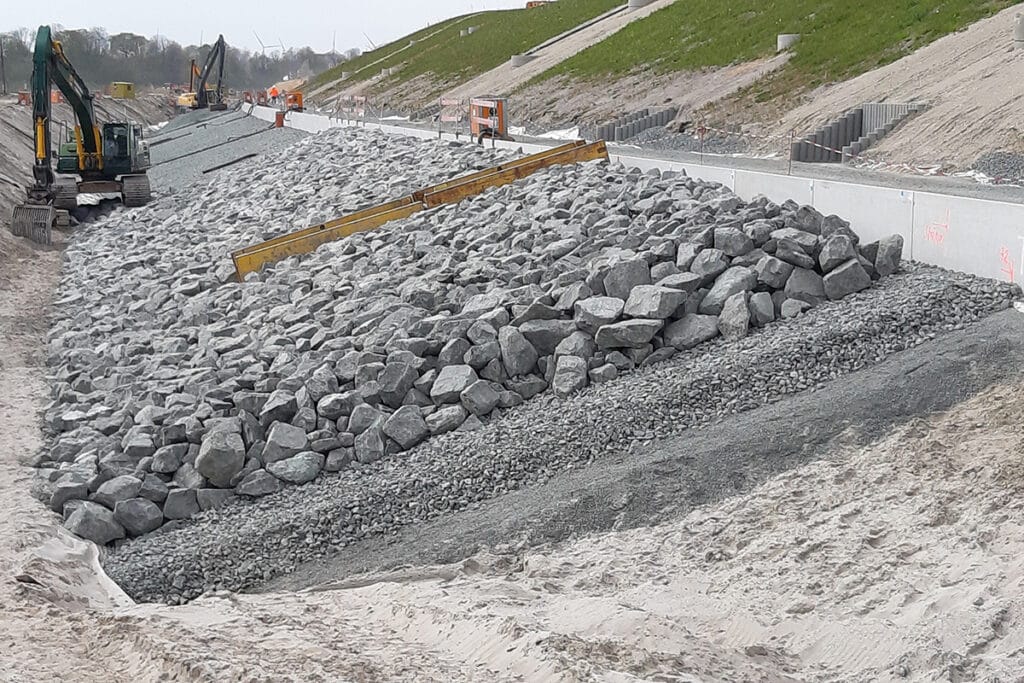
Van den Herik worked in combination with Depenbrock and DEME. Depenbrock brought the route to depth up to the waterline, Van den Herik realized the new bank protection (approximately 180,000 tons) - in some locations even down to the canal bottom, some 11 meters deep. After that was largely carried out in the dry, the wet phase was carried out in cooperation with DEME. “Because you cut through several aquifers, there was a large water influx, so we had to use closed drainage with drains instead of open drainage,” says René Meijer, responsible for German projects. “That requires a lot of coordination and makes such work considerably more intensive.”
According to Huisman and Meijer, being one team as a joint venture is crucial. “Open to the customer, thinking along and offering solutions,” says Huisman. Meijer adds: “We don't wait, but dig through. Solution-oriented with a focus on progress and deadlines. It always works out, no matter how difficult it sometimes is.”
After removing the old bank line, the canal was permanently widened. The section has now been technically completed and was festively opened by the federal minister earlier this fall.
Next year, Van den Herik will start in the port of Hamburg. Two historic harbor tongues will be shortened; the material released will be used to fill a harbor basin. “Another big project,” says Meijer. “With 1.7 million cubic meters of earthmoving, controlled demolition work, munitions research and layering due to settlements. A challenge we are happy to take on.”