Platform on civil engineering, underground infrastructure, energy, construction equipment & construction machinery
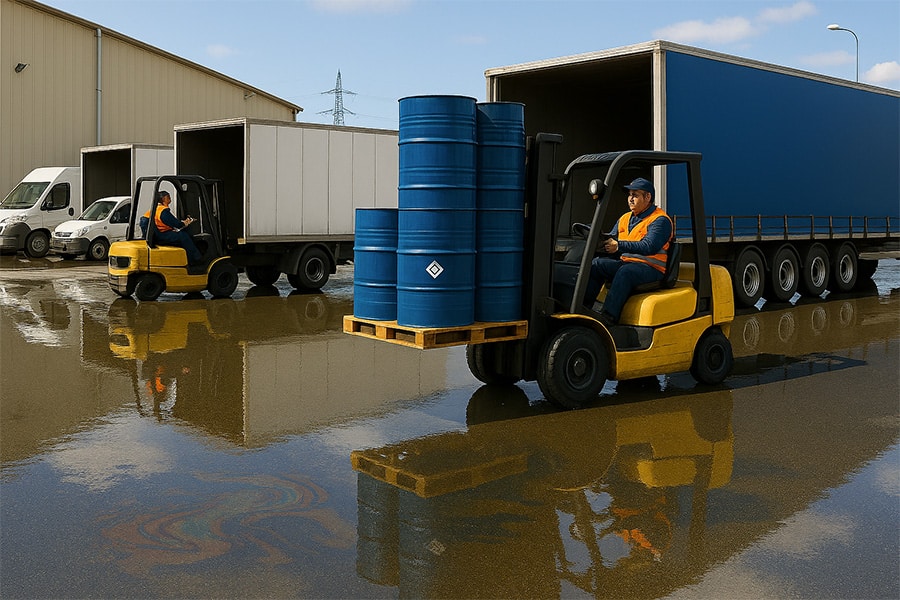
Since October 1, Richard Költgen has been strengthening the TBS-SVA team as a project advisor for water treatment for construction, industry, and climate adaptation. He helps customers find suitable, sustainable solutions at the intersection of water drainage and purification. “My role is primarily advisory. I observe, ask critical questions, and make complex requirements and subject matter understandable, so that the customer is relieved of any worries and we can work together to find a suitable, workable solution.”
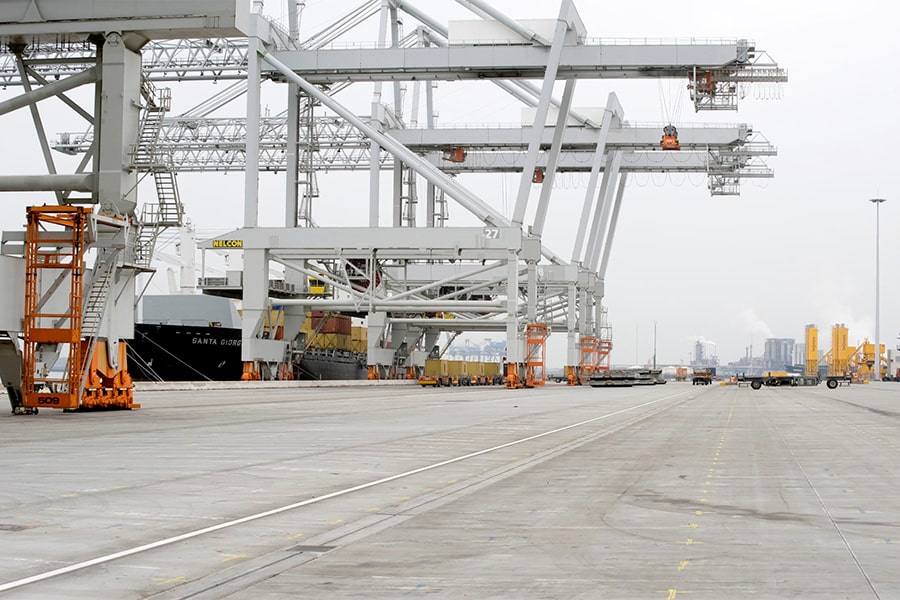
Költgen knows what he is talking about. He has years of experience with oil and gasoline separators, liquid-tight soil provisions, and the associated laws and regulations. “With the introduction of the new Environment Act and the Activities Decree (BAL), companies are legally obliged to treat wastewater properly before discharging it. That requires more than a standard solution: you need to know what you are doing, what is allowed, and what is technically possible and legally correct.”
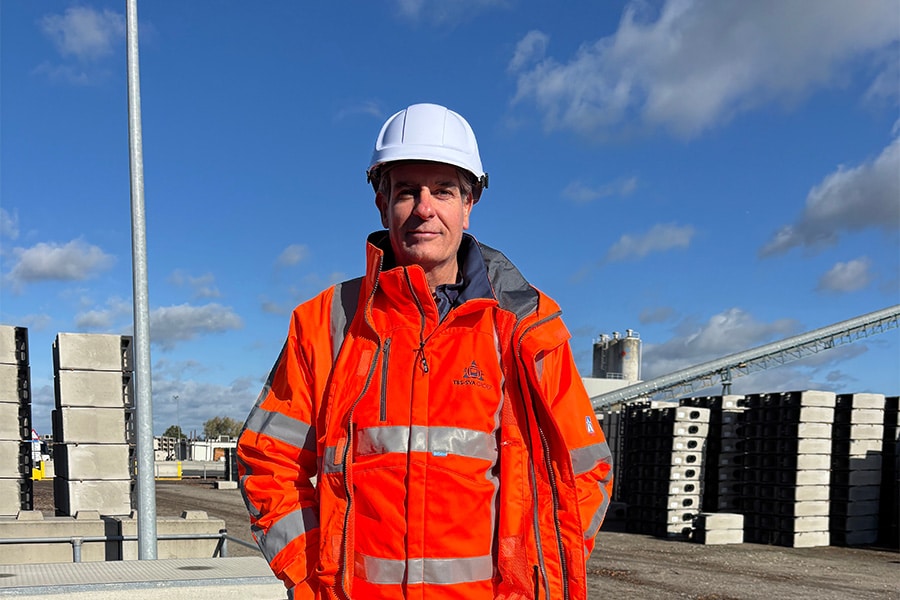
According to Költgen, water treatment is inextricably linked to climate adaptation. “You can no longer talk about infiltration or buffering without also considering the quality of that water. This is certainly true on industrial sites and in construction, where oil, sludge, or chemicals can be released, depending on the activities that take place there.”

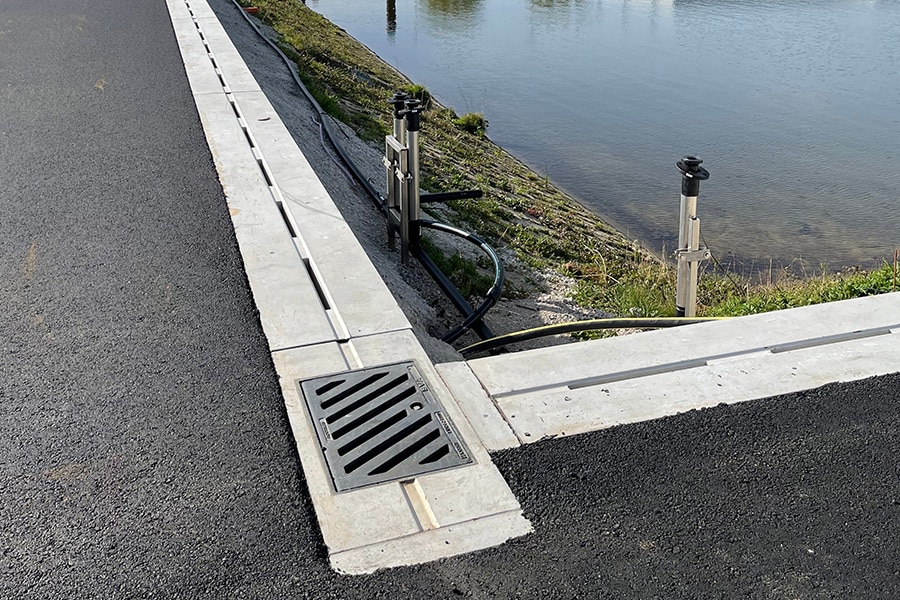
According to Költgen, what sets TBS-SVA apart from other suppliers and manufacturers is the total package they offer. “We not only supply the products—separator installations, filters, wells, gutters, and drains—but also provide advice. We contribute ideas about the complete water management on a site and offer the complementary picture: from water handling to water treatment, everything in conjunction—and that as a single party.”
Not only the right knowledge, but also communication plays a crucial role in this. “I ask specific questions such as: what is the situation, what do you want to achieve? By linking this to the discharge requirements set out in legislation and regulations, we know which products are best suited to that context.”
In addition to the legal framework, Költgen also considers broader themes such as sustainability and circularity, which also include MKI values (Environmental Cost Indicator) and circular principles. “We certainly consider sustainability and also include Cradle to Cradle certified products.”
It is precisely this broad perspective—looking at the bigger picture—that makes the difference, according to him. “It's not about a single separator or pit. It's about linking systems: collecting water, cleaning it, and discharging it slowly or even reusing it. We can deliver and supervise the entire process. If you coordinate those steps and systems properly, you will arrive at a reliable, sustainable solution. But it starts with a well-thought-out plan that meets the technical and legal requirements.”
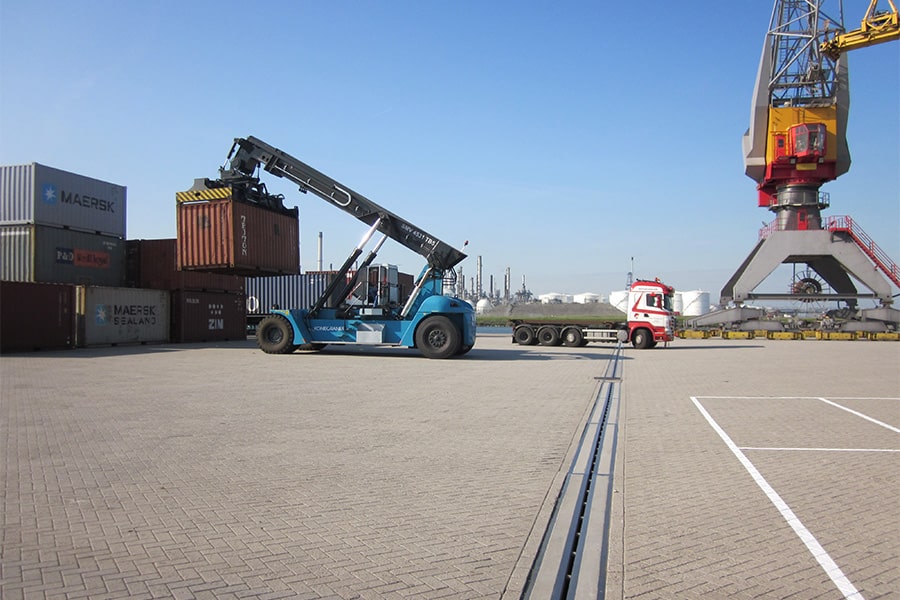
TBS-SVA can add real value, especially in new construction projects. Költgen explains: “It's great when you can contribute ideas right from the start of a design. That way, you can build the entire water management system as an integrated whole, without having to make any concessions. We act as the link between the client, the consultant, and the contractor.”
Where does the future lie? According to Költgen, more and more wastewater will be retained on site. “Not by individual companies, but as a collective approach on a larger scale. Think of an industrial estate where you buffer water so that it can be used as firefighting water in emergencies or as flushing water for sanitary facilities.” Solutions like these, especially at the regional level, require vision, cooperation, and practical knowledge. “We don't just want to sell solutions, we want to really help our customers. By thinking along with them, eliminating risks, and clearly substantiating choices.”
Neem dan rechtstreeks contact op met TBS-SVA GROUP.
 Contact opnemen
Market leader in drainage solutions A wide range of drainage products for EVERY project Within the GWW infrastructure, as market leader in the Netherlands, we are the advisor for drainage issues. Innovation, sustainability and safety form the basis of our policy and product range. Our range is distinguished by a wide choice in both point and line drainage and all types of access systems such [...]
Bekijk Bedrijfsprofiel