Platform on civil engineering, underground infrastructure, energy, construction equipment & construction machinery
Remote control and optimization
Groundwater extraction has traditionally been a classic and physical process: installing pumps, gauging manually, making adjustments on site and only intervening once a malfunction becomes apparent. But this traditional way of working has made way for a digital revolution at Bronbemaling.com in recent years. By automating processes, connecting them to the Internet and continuously collecting data, dewatering not only becomes more efficient, but also safer and much more controllable.
What previously depended on experience and regular checks is now controlled by real-time information, smart algorithms and precise remote control, says Erik Gerritsen of Bronbemaling.com. “We have been at the forefront of this development for thirty years. Initially with simple modems and a low-threshold network, this has now grown into a sophisticated digital ecosystem in which every pump, cabinet and sensor is connected to the Internet and provides real-time information.”
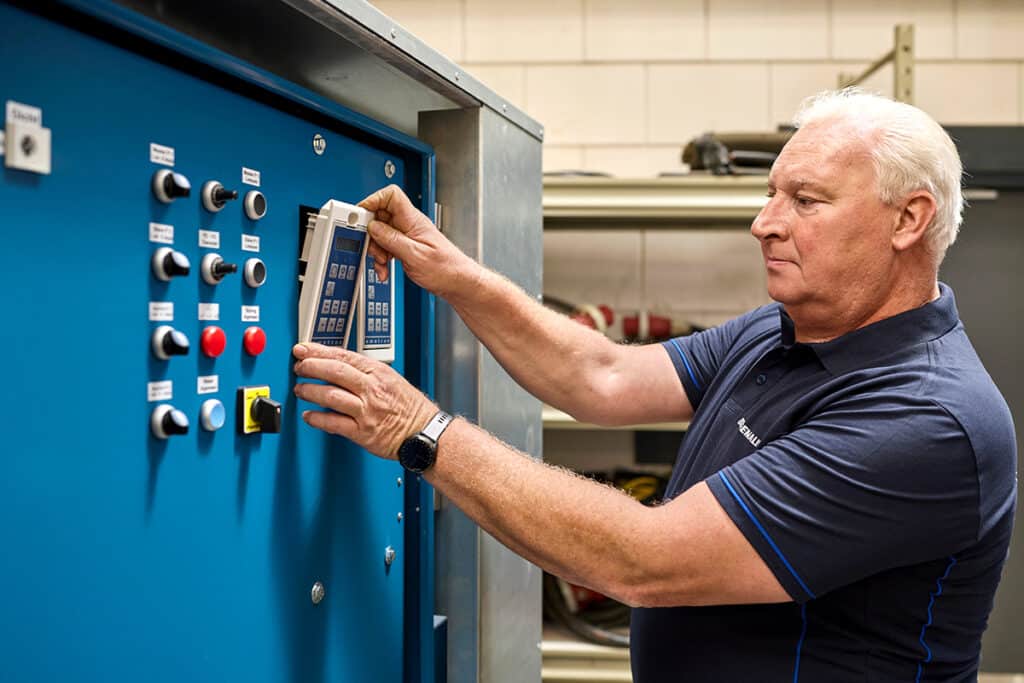
Central to this transformation are Bronbemaling.com's home-built control cabinets. “These cabinets are equipped with powerful PLCs, variable speed drives and smart communication technology, allowing pumps not only to be switched on and off, but also infinitely controlled,” Gerritsen explains. “Remotely, we control complete pump systems, check the switching level and monitor the process via our digital platform.” The benefits of this are many. “By accurately monitoring and automatically adjusting the pumping process, the number of cubic meters of groundwater pumped can be drastically reduced in some projects. When replacing a sewer system, for example, the groundwater level may well rise when no work is being done. These smart time-based settings yield huge savings, provided the process is completely under control. And that's exactly where digitization makes the difference.”
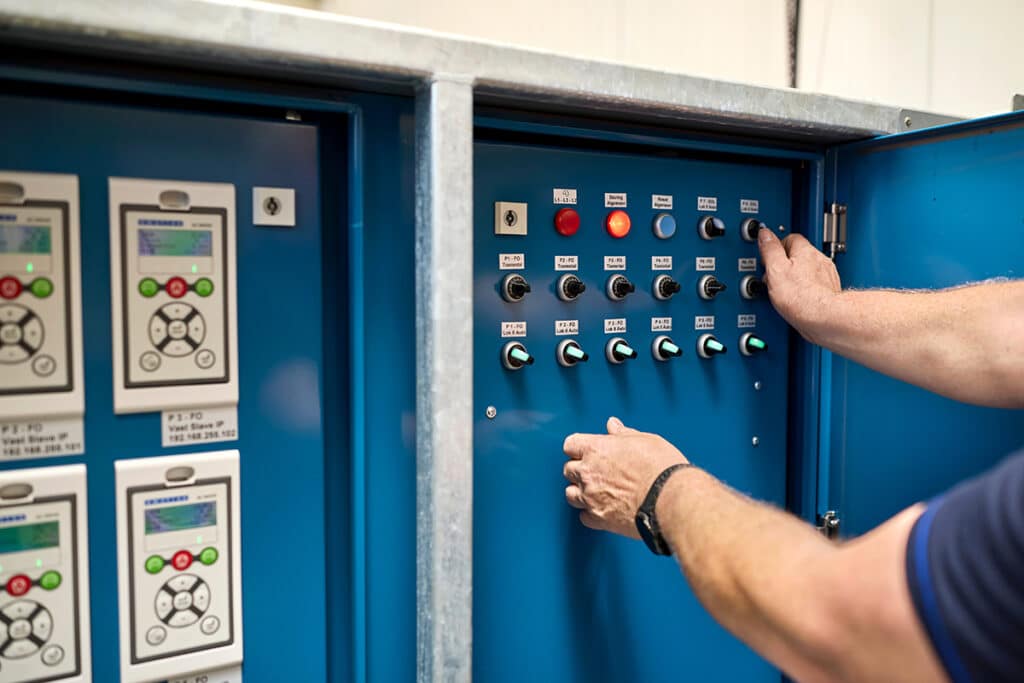
In addition to controlling plants more efficiently, we are collecting more and more data from pumps and peripherals, such as location, fuel consumption, levels, operating status and pump performance, Gerritsen says. “That way we recognize trends and patterns even before failures occur, and predictive maintenance is within reach. Refueling, for example, can be done much more efficiently and based on current information instead of periodically scheduled trips. In addition, of course, our customers also have access to the portal where they can analyze graphs, compare installations with each other and monitor progress in real time.” But the future, according to Gerritsen, lies in even further integration. “A single portal in which all control cabinets - including those of other suppliers - are conveniently brought together. Linking data to, for example, KNMI precipitation data will provide even better insight into the relationship between rainfall and pumped quantities of water.”
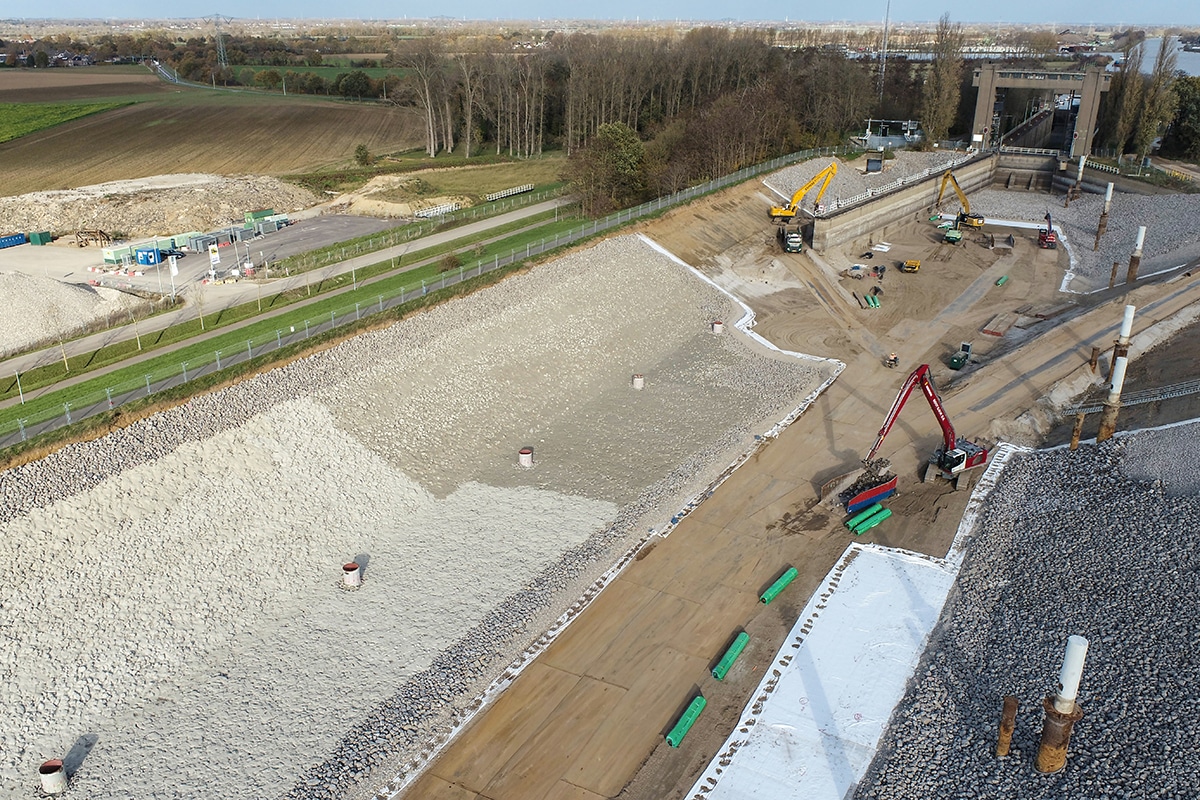
Practical projects are already showing the power of the far-reaching digitization of groundwater extraction. “For example, in Nieuwegein, we fully digitally monitored a large sluice dewatering operation, with pumps automatically determining their optimal speed. In Raamsdonksveer, during the 100 hours of Hooipolder (A27), our pumps were continuously connected to the Internet and equipped with smart flow meters. All relevant data came together on one screen, making it possible to monitor and control the drainage process perfectly. Digitalization makes groundwater extraction smarter, more efficient and safer. With in-house developed control cabinets, strong data communication and an eye for cyber security, we continue to lead the way in an industry where the digital revolution is far from complete.”