Platform on civil engineering, underground infrastructure, energy, construction equipment & construction machinery
From nitrous oxide to PFAS
The water sector faces stark choices. Stricter water quality requirements, aging plants, power grid restrictions due to grid congestion, and new risks from emerging substances are all coming at us at the same time. We can no longer ‘optimize that away.
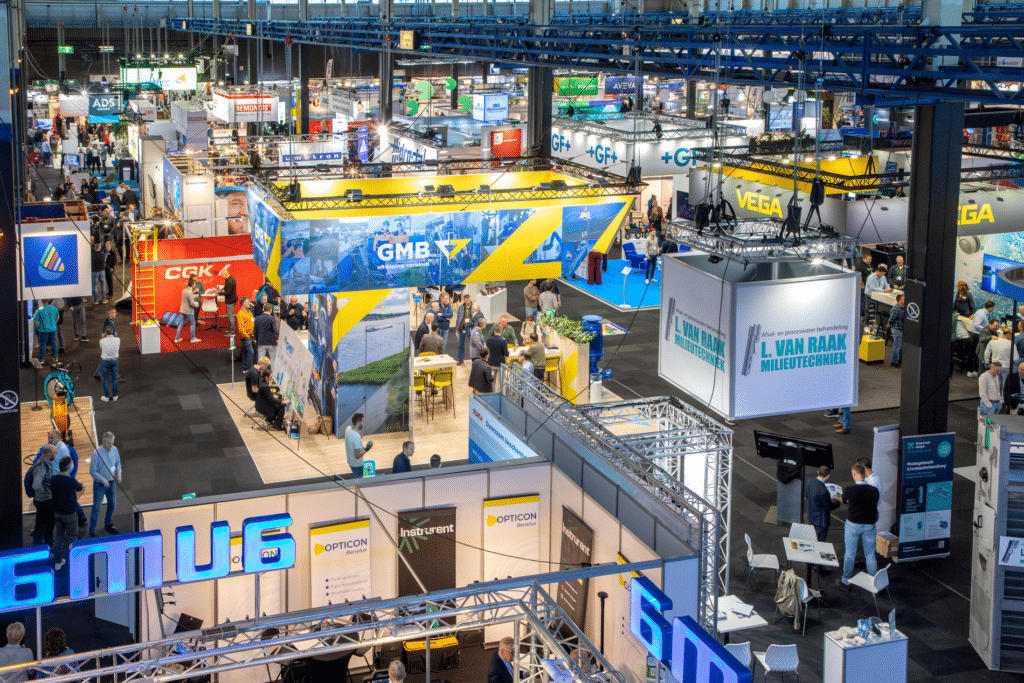
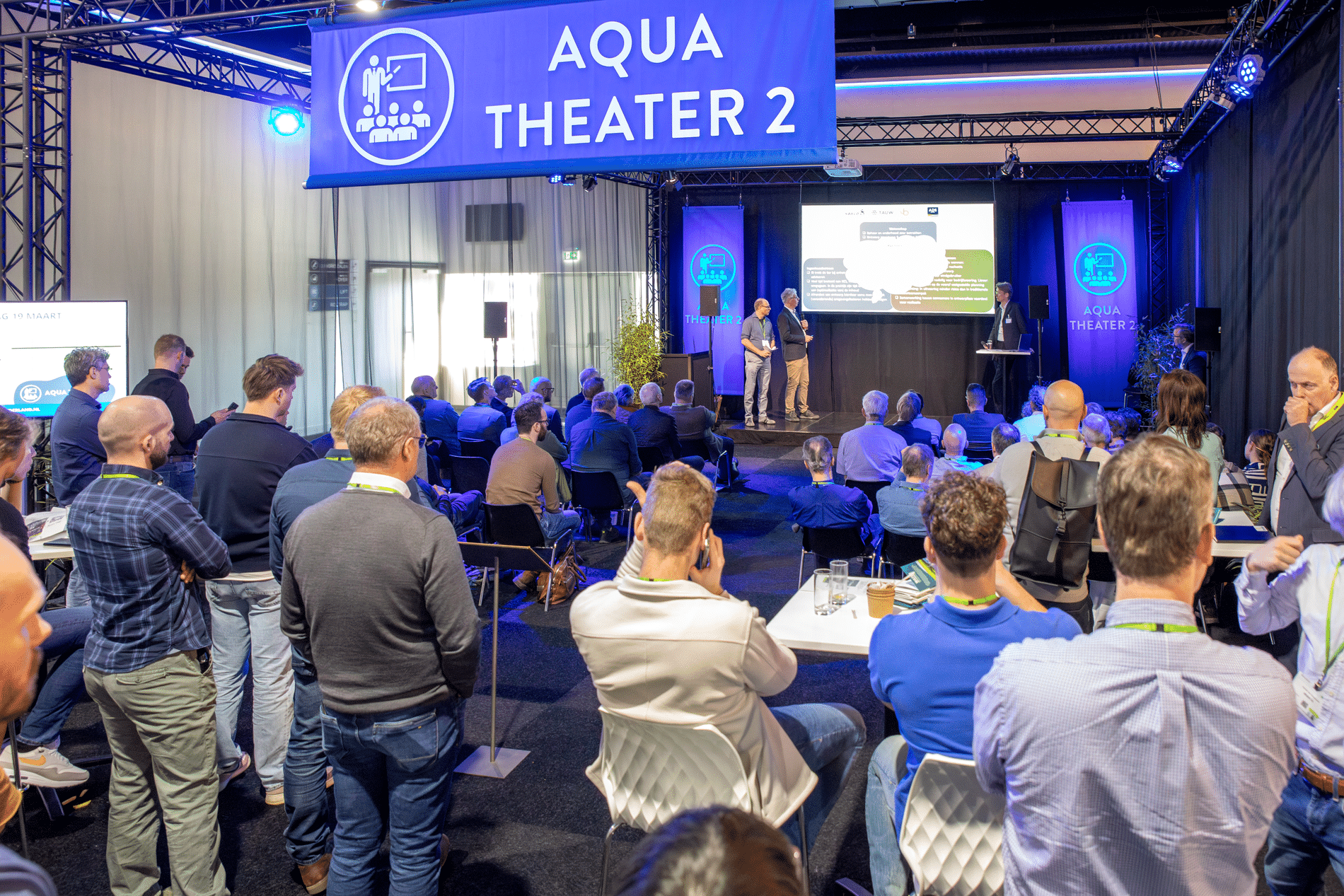
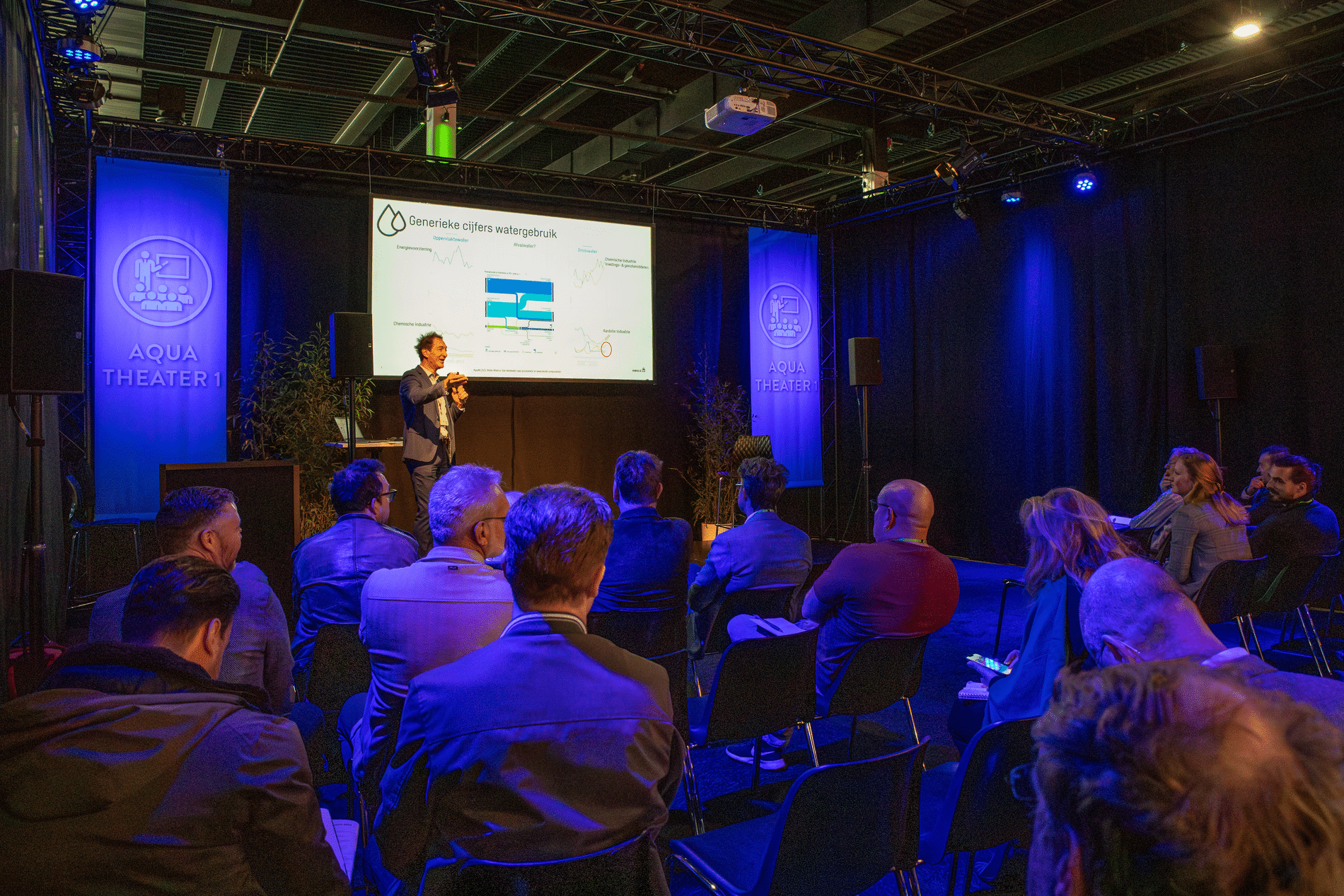
Aqua Netherlands' knowledge program on March 17, 18 and 19, 2026 makes this new reality concrete. In two Aqua Theaters, clear routes of content will be covered, always touching each other: smart treatment, process optimization, circularity and reuse (Aqua Theater 1) and smart urban water management, future-proof sewage, drinking water and water quality with emerging substances (Aqua Theater 2).
What is striking is what you do not see: no parade of separate innovations for the sake of innovation. The common thread is: measure, steer, choose and learn faster because the space in money, energy and permits is shrinking.
Aqua Theater 1 immediately brings up a topic that has long been a side issue: nitrous oxide (2N2O). KWR researcher Siddharth Seshan demonstrates how advanced monitoring and modeling can truly control N2O emissions at wastewater treatment plants. Nitrous oxide thus no longer becomes a ‘nice to have,’ but a clear performance requirement.
This is followed by a series of sessions on Digital Twins and data-driven steering (by TAUW & Kruger Veolia). Digitalization is not presented here as an additional dashboard, but as a steering tool for daily operations. Practice comes into focus with uniform nitrous oxide data processing in Z-info (Croonwolter&dros & Waterschap Limburg). By recording data in the same way, you can really compare, learn and scale up.
A second line in the program is the maximum utilization of existing assets. Examples are the dynamic simulation to optimize the process of sewage treatment plants (Sweco & HHNK) and the lifetime extension of RWZI Tiel until 2040 (TAUW, Sweco & Waterschap Rivierenland). The message is clear: new construction is not always the best or fastest solution, especially if permits, costs, capacity and energy are constraints.
On Wednesday, grid congestion comes into focus emphatically. The session on RWZI Zwolle (TAUW & Waterschap Drents Overijsselse Delta) shows how constraints on the electricity grid directly influence choices in process operations and investments. Flexibility thus becomes a hard precondition.
Within the same route, circularity is given a realistic interpretation. KWR researcher Emile Cornelissen zooms in on concentrate management and the choice between discharge and recovery. This is exactly the point where many circular ambitions clash with feasibility and residual flows. The WiCE program line (KWR, Joep van den Broeke) and depth on feedstock recovery (KWR, Kees Roest) provide context, while a real-world example like Biocos at RWZI Hattem (Sweco & Waterschap Vallei en Veluwe) shows how it plays out in the real world.
In Aqua Theater 2 the focus shifts from ‘only sewerage’ to the entire urban water system: the impact on receiving water and the feasibility of measures in public spaces. A striking example is ‘River De Dommel on a ventilator’ (TAUW & Waterschap De Dommel). With innovative aeration, overflowing sewage is better purified in the context of the WFD. This is system thinking in action: not only managing overflows at the front end, but also supporting the receiving water system where the load ends up.
In addition, the asset reality in the city is discussed. The session on the renovation of the West Vlaardingen floating sewer pumping station (1958) (Municipality of Vlaardingen, Strukton, TAUW) is not just about technology. It's about how to future-proof unique, critical infrastructure with acceptable risks and limited disruption to the environment. Relevant for every manager who has ‘difficult objects’ on the schedule in the coming years.
Around the drinking water pillar, the program emphatically focuses on structural risks. On Tuesday, KWR set the tone with sessions on Legionella (Frank Oesterholt) and reliable detection and control of Legionella pneumophila in wastewater (KWR/TKI, Nikki Bel). That intersection is interesting because quality, public health and supply chain impact are increasingly ending up in the same discussion, especially as water flows and reuse concepts come closer together.
On Wednesday, the focus shifts to energy and operations. Electricity demand management in the drinking water sector (WiCE, KWR together with Vitens) makes concrete how demand management and security of supply affect each other. Warming in the drinking water network (KWR, Bram Hillebrand) puts a still underexposed theme on the agenda, with possible consequences for management, quality and risks.
Implementation practice comes along in Vitens' (Mobilis) drinking water reservoir, pump and control building Beuningen project, including electric foundations and new construction. A session for professionals who want to make the translation from research and policy to concrete design, construction and management.
On Thursday, process water, water availability and reuse will take center stage in Aqua Theater 1. KWR researcher Roberta Hofman-Caris (KWR) addresses the question: water reuse and Water Framework Directive, match or mismatch? This affects not only technology, but also ecology, regulations and decision making. When is reuse really sensible and feasible in terms of permits? Kees Roest shows what water conservation and reuse in industry look like in practice. The underlying message: process water is becoming a strategic issue, driven by availability, quality and discharge frameworks.
In Aqua Theater 2, the program concludes with PFAS, but with a focus on content and design. The session by KWR, Martijn van Veggel and Roberta Hofman-Caris on concentration and removal of PFAS shows that one generic solution does not exist. Choices about concentration, removal and handling of residual streams have direct consequences for reliability, costs, maintenance and public acceptance. In addition, market parties share their experiences with PFAS removal, revealing how these issues are already landing in projects. Depth, in other words, rather than just alarming headlines.