Platform on civil engineering, underground infrastructure, energy, construction equipment & construction machinery
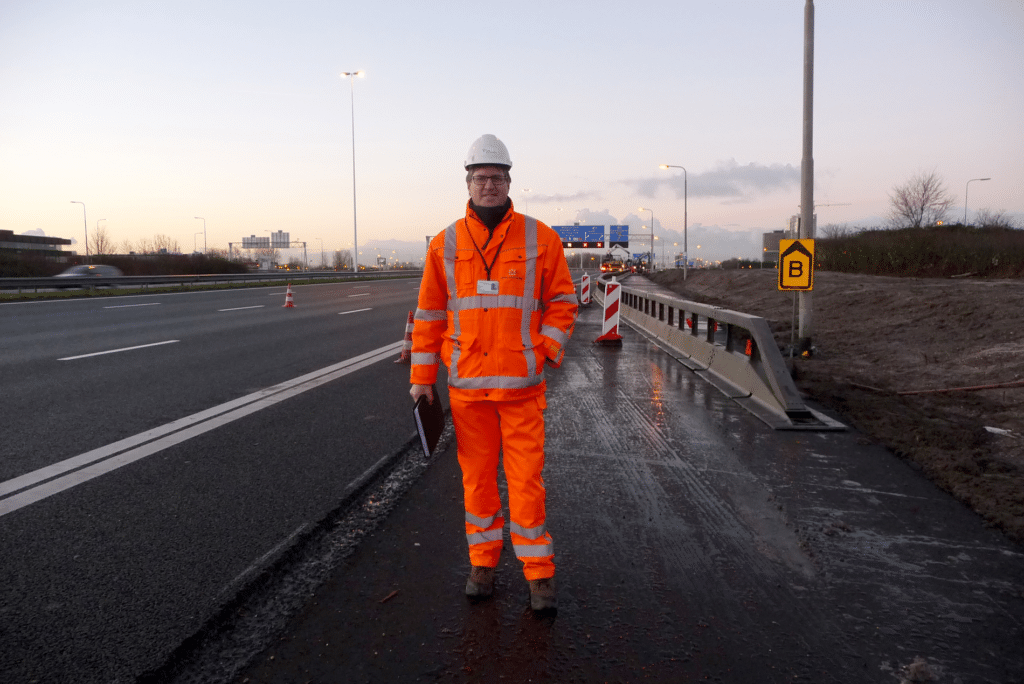
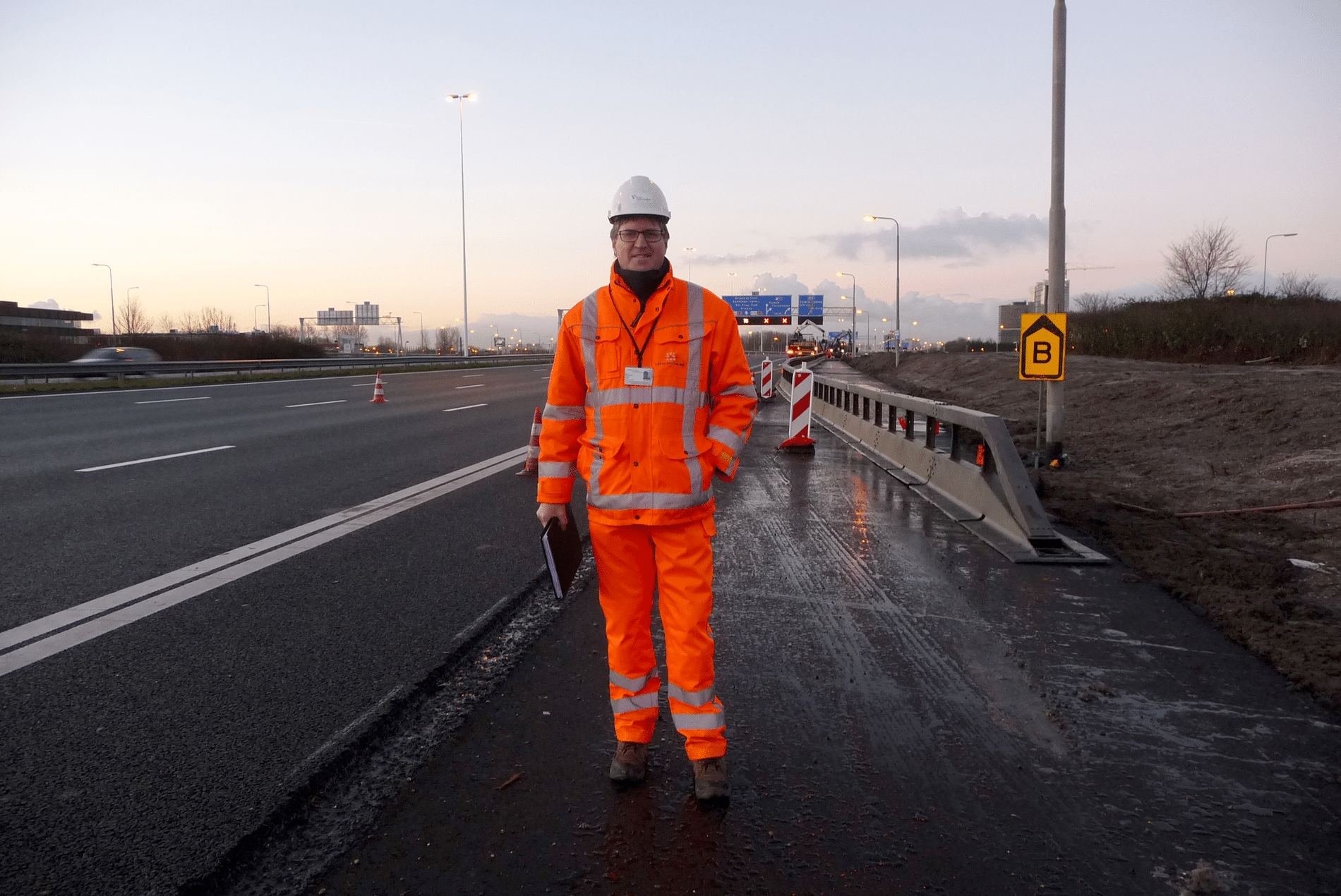
Anyone driving along a new or renovated national highway rarely thinks about how much effort goes into it before the road is safely opened. Behind the scenes, traffic safety audits are conducted at various stages that determine how safely road users reach their destination. Our country has only thirteen certified auditors authorized to conduct this type of audit on national roads. Dirk de Baan, traffic engineer at De Baan Verkeersadvies, is one of them, and takes us to the widening of the A2 motorway between the Het Vonderen and Kerensheide interchanges.
Road safety audits on state highways are conducted in four successive phases, De Baan says. “The first audit is conducted on the Preliminary Design (VO). The VO is usually prepared by a consulting firm commissioned by the Department of Public Works. That design must then be assessed by an independent audit team; that is, not by auditors working at the same consulting firm that made the design. For the A2, Betty van de Wetering and myself conducted this initial audit for the consulting firm involved.” Both were not involved in the design, so their independence is guaranteed.
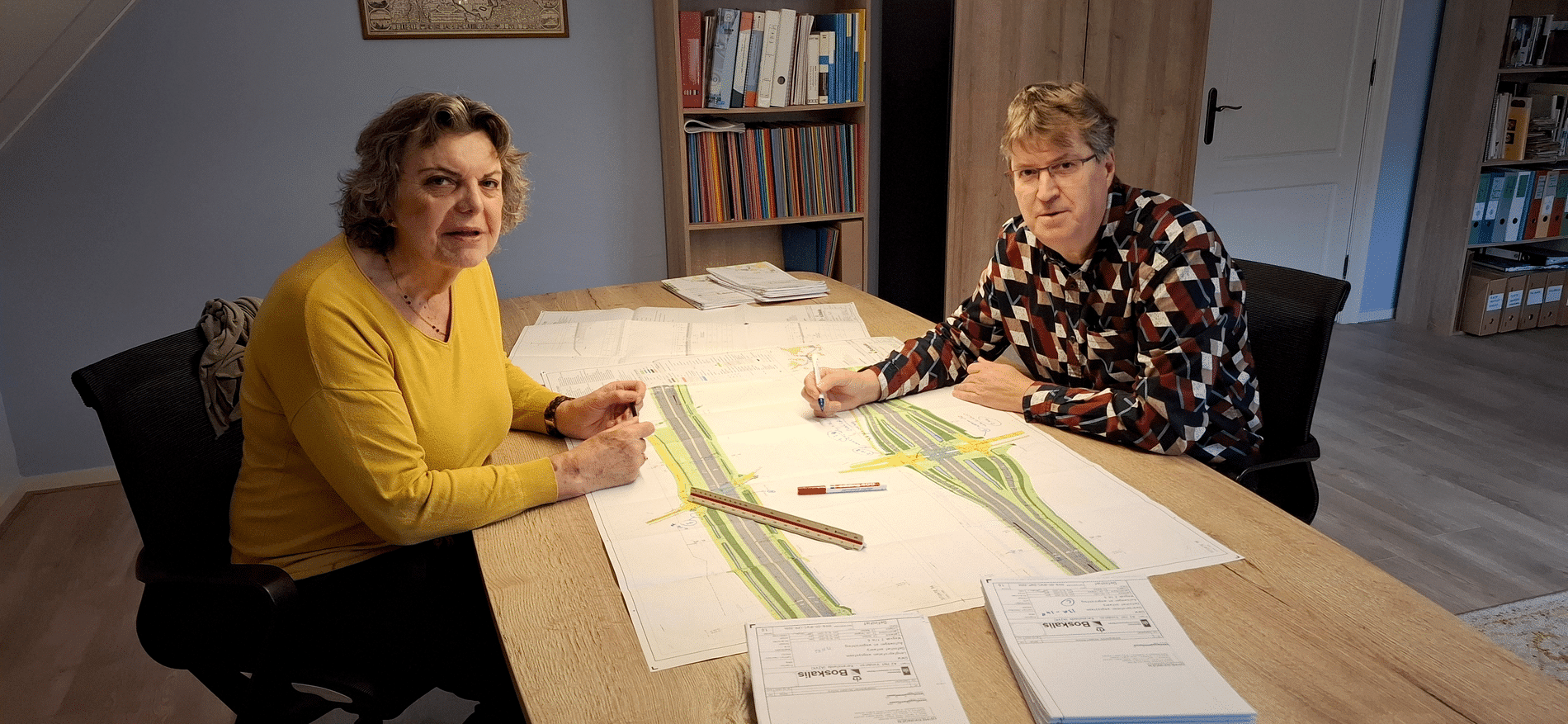
From phase 2, the Final Design (DO), the contractor is required to have a road safety audit performed on its design. “In this phase, the design is reviewed again and blank: what has changed from the VO, and have previous concerns been adequately addressed?” explains De Baan. “Basically, we unfold stacks of drawings - situation drawings, longitudinal and transverse profiles - and go through them with a ‘red pen.’ With two auditors, following the four-eye principle, we describe the problem and the road safety risk to road users. We then provide possible solution directions. We do not give advice, but clarify what the consequences could be if nothing is done. The severity of each road safety risk identified is classified into three categories: yellow, orange and red.”
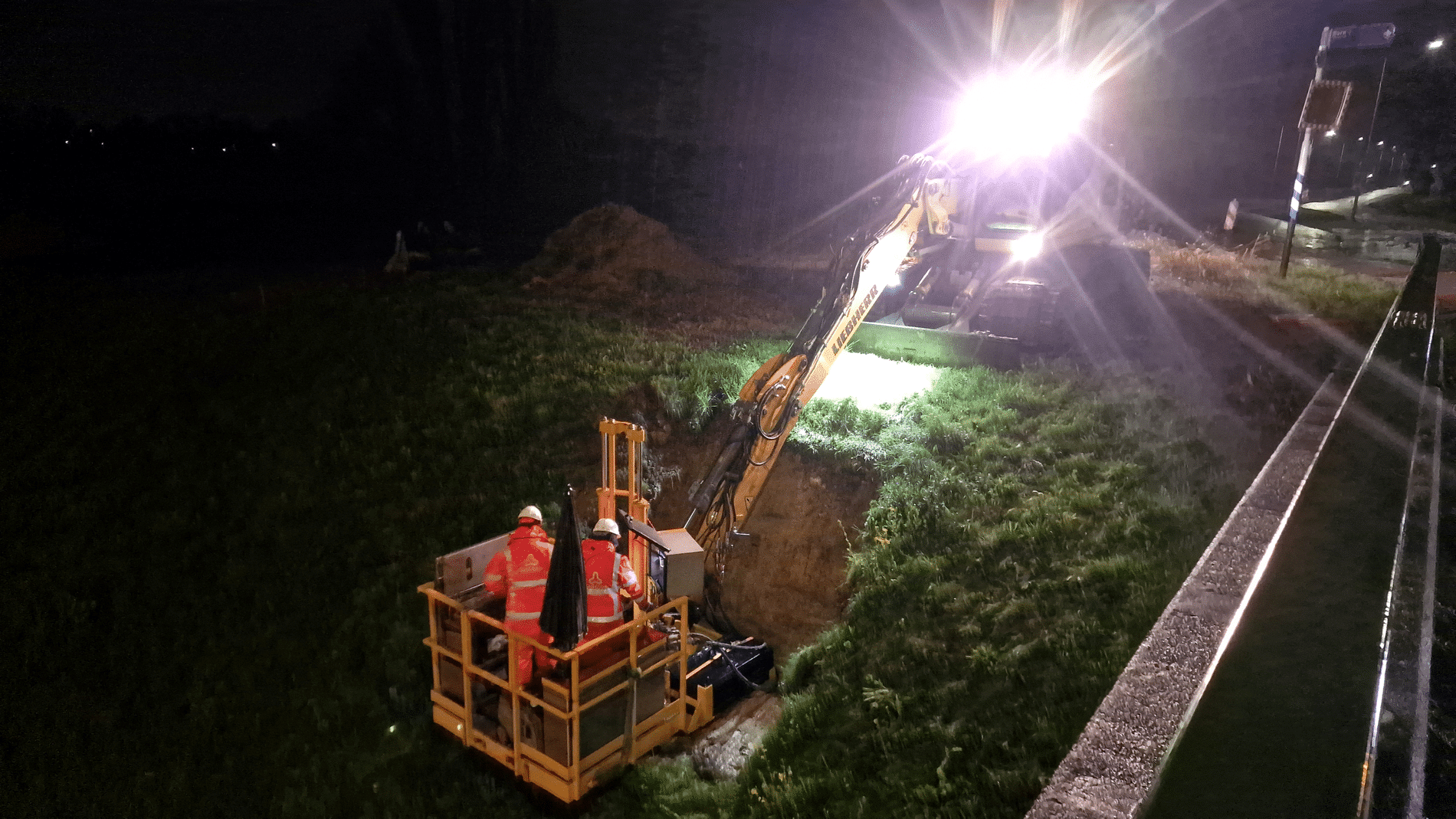
De Baan explains that on major projects, such as here on the A2, temporary traffic situations are also assessed. “Phases where traffic is diverted for months on end must be tested separately for traffic safety. These tests are carried out by two other road safety auditors, to avoid confusion of roles.” Audit phase 3 then takes place just before opening. “Then we look outside, during the day as well as at darkness, literally through the road user's glasses. We drive along the route several times, take photos and video recordings and assess whether the lines, signs, beaconing and barriers are logical and safe. Audit phase 4 follows three to six months later, when the traffic has found its way and is accustomed to the new situation. While driving with the traffic, we check whether the road infrastructure is understood and whether any unexpected risks still occur, such as shielding of signage by vegetation or ‘forgotten’ objects on the shoulder. We can also sometimes stand on an overpass to observe the flow of traffic; especially at junctions this can be easy. We then watch the behavior of merging and exiting traffic.”
This way of working is not unique to this project, assures De Baan who is quite at home in the field. With his company he has already carried out hundreds of audits on projects such as the Afsluitdijk, the A2 tunnel through Maastricht, the A15 near Rotterdam and the Groningen Ring Road. He also contributed to the drafting of various CROW guidelines and was involved in the introduction of road safety audits in the Netherlands in the late 1990s.
Neem dan rechtstreeks contact op met De Baan Traffic Consulting.
 Contact opnemen
Deploying De Baan Traffic Consultancy on your project provides thorough traffic advice and/or assessment of realized or yet to be realized infrastructure. We guarantee expertise and quality! Nobody wants to be involved in a traffic accident.Yet they happen and the causes are very diverse.At 90% of them, the human factor plays the leading role.Man in traffic on a designed road.A safe combination? Dirk [...]
Bekijk Bedrijfsprofiel