Platform on civil engineering, underground infrastructure, energy, construction equipment & construction machinery
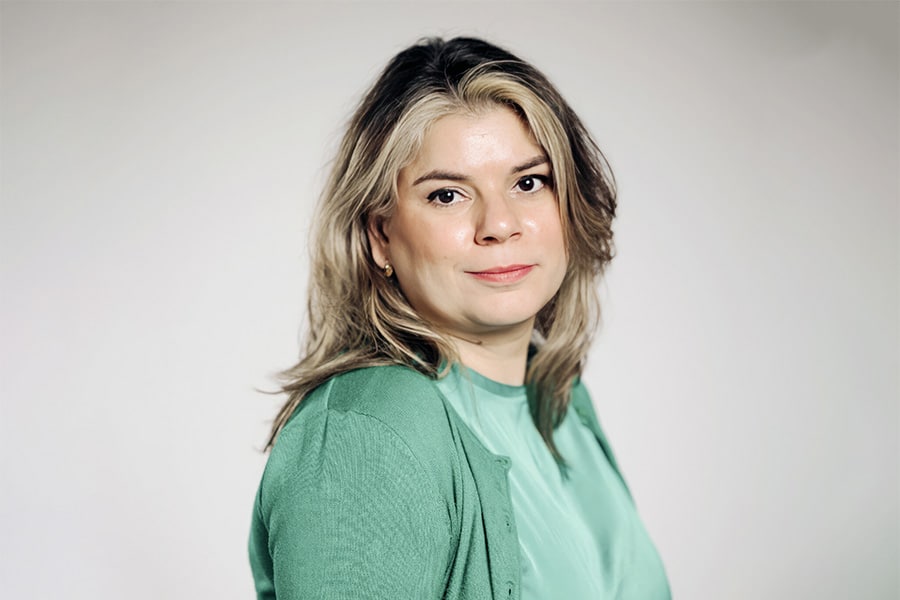
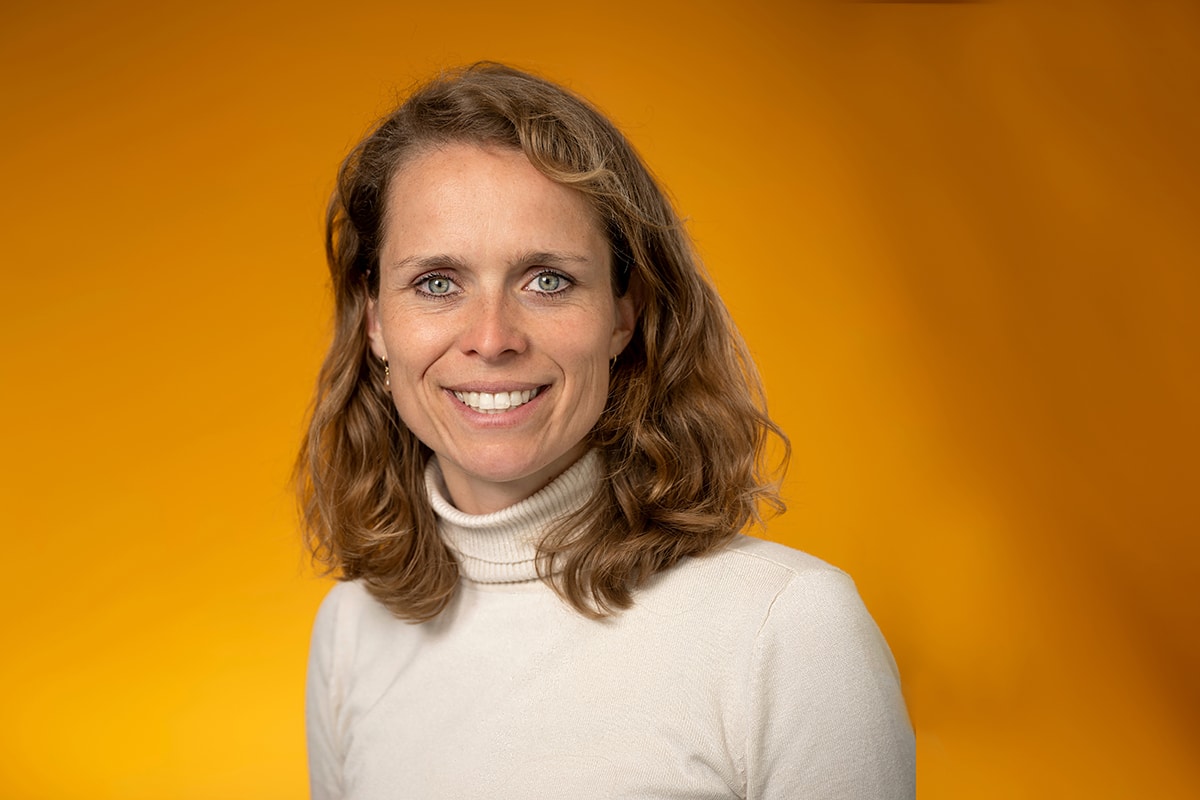
The infrastructure sector is still too often seen as a man's world. Nothing could be further from the truth. More and more women are finding jobs and a place in the world of civil engineering. And we are happy to introduce them to you in detail. In each edition of GWW-Bouwmat, we give a woman from the sector the opportunity to talk about her job and what exactly makes it so enjoyable. In this edition, we give the floor to Penny Pipilikaki, senior technical advisor at Rijkswaterstaat.
As a chemical engineer from Greece, Penny has been fascinated by materials, especially concrete, for over 25 years. What began with a degree in chemical engineering in Greece grew into an international career in research and innovation within the construction sector. “Materials science has been a common thread throughout my life,” she says. “I have always been interested in how materials can be made more sustainable and last longer.”
During her PhD research, she focused on new, sustainable types of cement that go beyond the usual standards, and took courses at Delft University of Technology. “I wanted to know how we could improve cement and concrete, both in terms of sustainability and lifespan.” After her PhD, she worked for several years in the Greek cement industry, in the R&D department. From there, she came into contact with TNO, which ultimately led to her moving to the Netherlands in 2011.
“At TNO, I worked in the construction cluster for almost nine years and was involved in countless innovative projects with cementitious materials, asphalt, and new types of concrete,” she says. After a brief stint in industry, she returned to research, and about 4.5 years ago, she found her place at Rijkswaterstaat. “Here, I work as a senior technical advisor for bridges and viaducts, specializing in concrete. I advise on new and innovative concrete in construction and pilot projects, but also on existing concrete that is subject to deterioration or aging. From a materials science perspective, you can often predict what will happen at an early stage and intervene before it becomes a structural problem.”
Apart from research within the ‘artworks transition path’, a significant part of her work revolves around replacement and renovation projects. “Many issues are not only about structural safety, but also about the lifespan of reinforced concrete structures. That is where the key to sustainable solutions lies,” she says. Although construction is still a male-dominated world, Penny feels very much at home there. “The material side of concrete is the softer side of construction, and there are a striking number of women working in that area. Still, I am often the only woman at meetings. I don't mind that; I'm used to it. And sometimes it leads to funny situations, such as emails that start with ‘Mr. Pipilikaki’.”
What fascinates Penny most is the social relevance. “We build for society. Materials are the basis for this. Concrete remains, but its composition is changing. We are getting increasingly ‘greener flavors’. My ambition is to reduce the footprint of our buildings and to inspire others—especially women—to contribute their ideas. Diversity brings new perspectives, and that is exactly what we need to move forward.”