Platform on civil engineering, underground infrastructure, energy, construction equipment & construction machinery
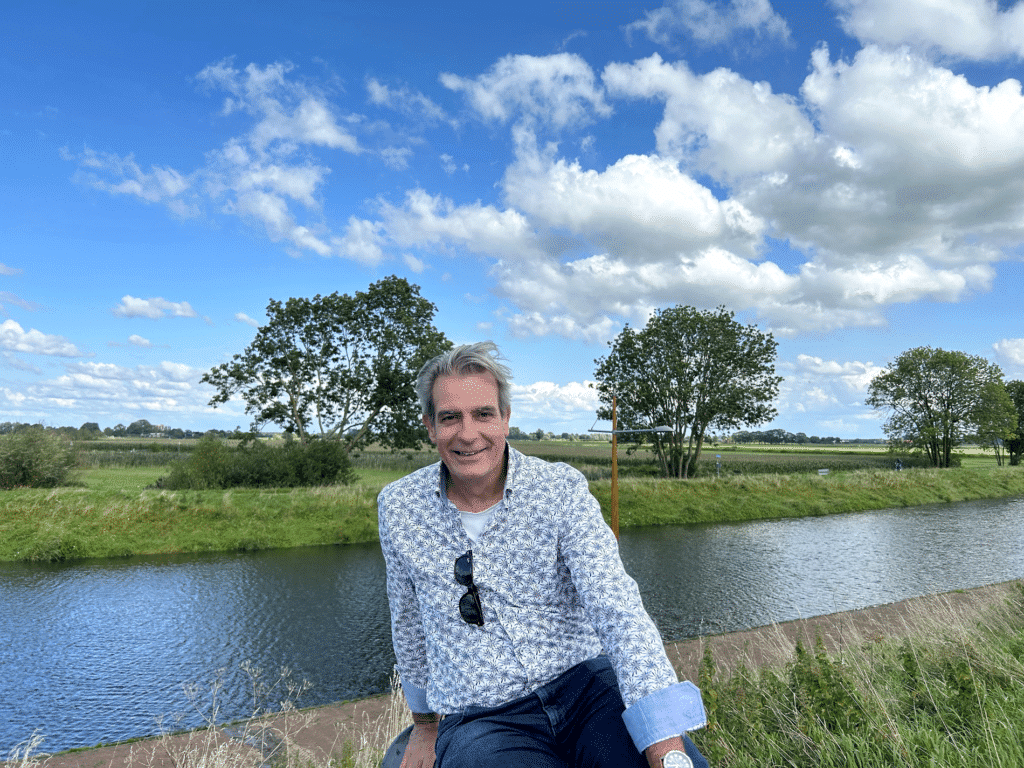
Twenty-five years now I have been working in the world of drainage solutions. I once started out very practical: selling manhole surrounds, gullies and manholes. Later I entered a world where advice became more important than just concrete, steel and cast iron. Oil separators, grease separators, water treatment. Not the product is the focus, but what it should do. That's the core of good soil and water management.
And that means taking clients by the hand, walking around a location, understanding what is happening and why. Not ticking boxes, but thinking with them. My core vision is simple: make sure you dispose of or use all the water you collect responsibly. Without gullies, streets are flooded, but without thinking about what's in that water, we only displace the problem. Oil and gasoline separators (Obas) and grease separators were once developed to remove ‘contamination’ from water before it goes toward our municipal sewer system. That principle still applies, but we need to be smarter about it.
In the Netherlands we have been talking about disconnecting rainwater from our sewer system for over twenty years. Rainwater should not go to the sewer system because it is relatively clean. Yet we mainly look at quantity: how much water falls, where does it go? Quality often remains underexposed. Rainwater that falls on a roof is different from water that falls on a busy parking lot or a loading pit at a distribution center. You have to look at that critically. What and how do I collect? What's in the rainwater? And what do I do with it?
Discharging clean water is one thing, but reusing it is even wiser. Think of industrial sites where water is collected in basins and can serve as firefighting water in case of emergencies. Why use expensive drinking water if it is not needed? That's not a high-tech story, that's common sense.
That critical eye also applies to soil and groundwater. I have seen water being pumped at a municipal yard right next to an old landfill and used to water ‘the greenery. Well intended, but the water turned out to be contaminated. The idea that groundwater is always clean is simply not true. Research is essential.
In infra, you see the same development. We are increasingly switching from point to line drainage: more efficient, less piping, better drainage. We also have to recognize; along roads, traffic pollutes verges with PAHs (hydrocarbons) and microplastics. This disappears into the soil and reappears later. Prevention here is cheaper than repair.
We have the knowledge, the products and the experience in the Netherlands. What is sometimes lacking is the guts to first properly analyze the problem and only then choose a solution. Not just applying a product, but thinking about water, soil and the long term. That is where the future lies.
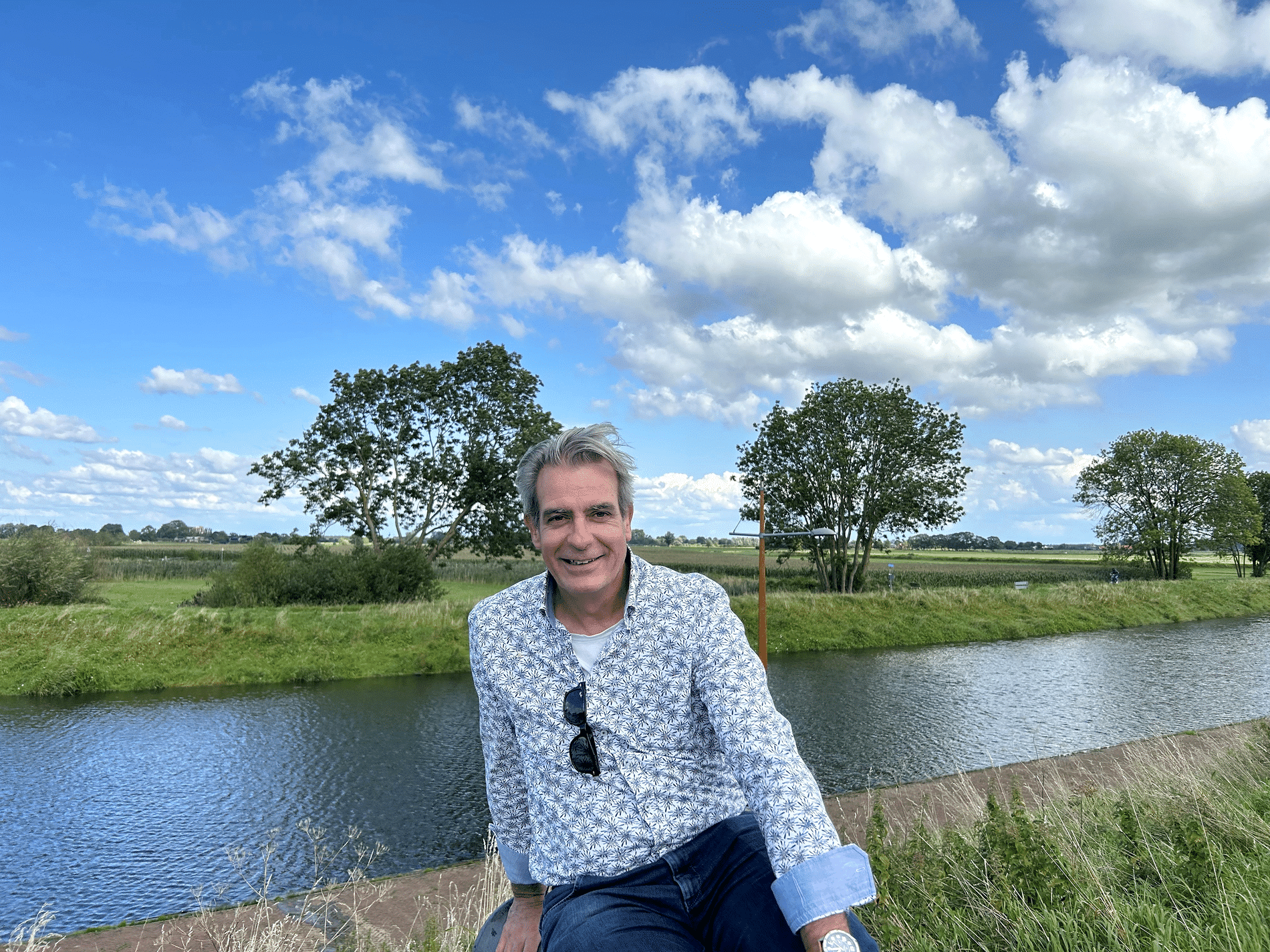
Richard Költgen, Project consultant water treatment for construction, industry and climate adaptation at TBS-SVA Group
Neem dan rechtstreeks contact op met TBS-SVA GROUP.
 Contact opnemen
Market leader in drainage solutions A wide range of drainage products for EVERY project Within the GWW infrastructure, as market leader in the Netherlands, we are the advisor for drainage issues. Innovation, sustainability and safety form the basis of our policy and product range. Our range is distinguished by a wide choice in both point and line drainage and all types of access systems such [...]
Bekijk Bedrijfsprofiel