Platform on civil engineering, underground infrastructure, energy, construction equipment & construction machinery
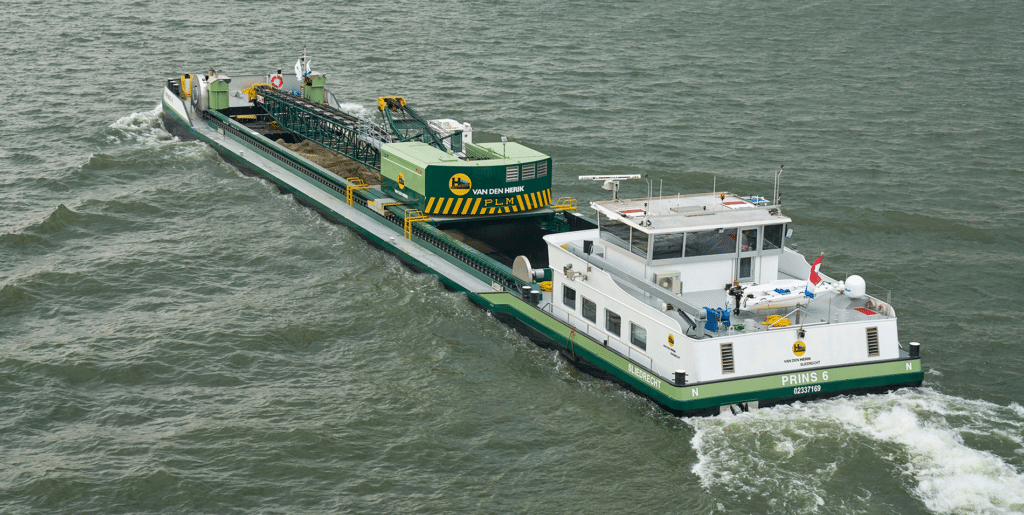
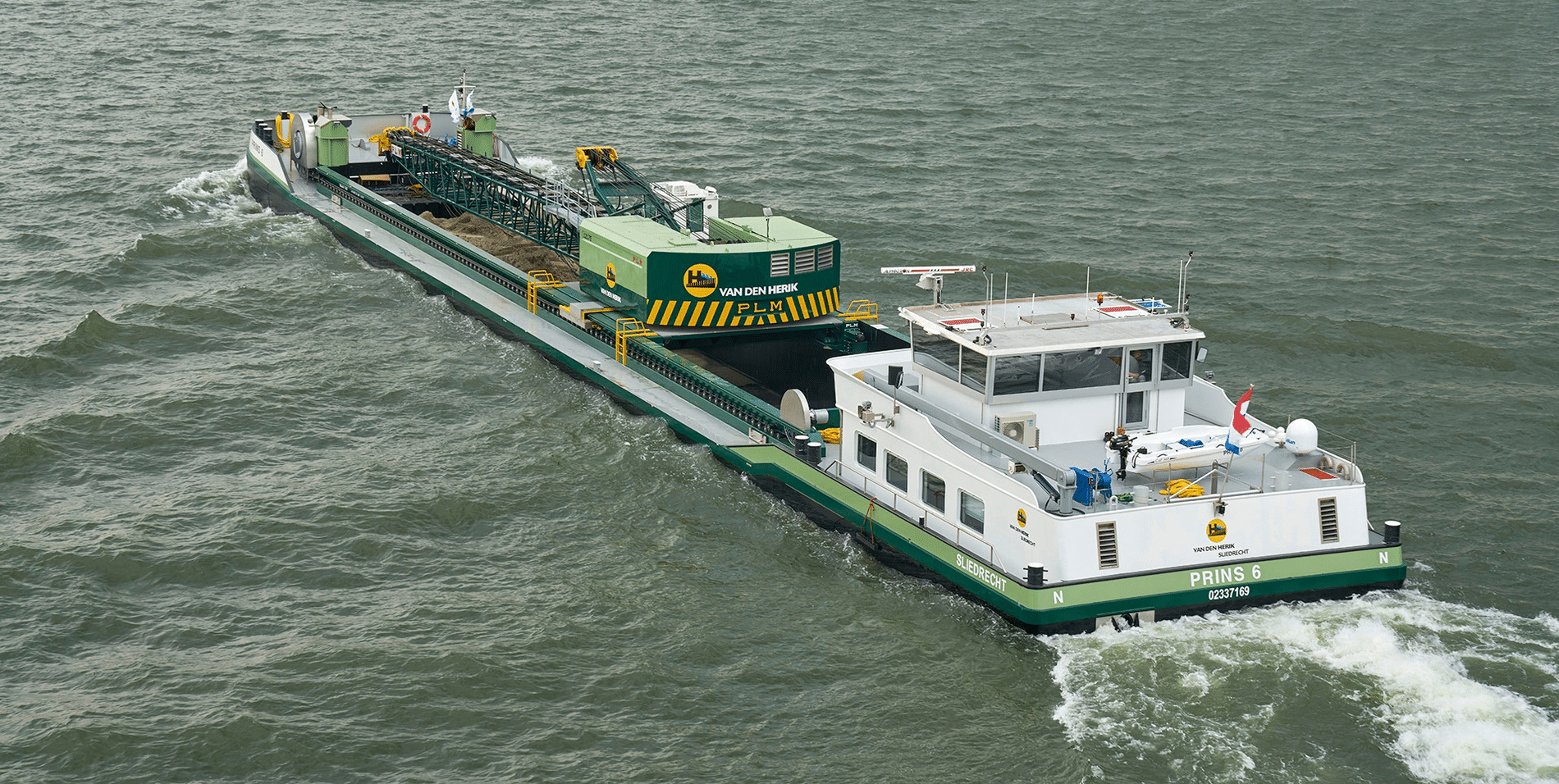
Only through broad, open collaboration can the dredging sector make the desired transition to zero-emission dredging. Rijkswaterstaat and the ZEDHub collaboration initiative are leading the sector in this effort. In September 2026, three research projects will begin to fill knowledge gaps. The results will make subsequent decisions more accurate, realistic, and less risky.
To enable climate-neutral and circular operations, Rijkswaterstaat encourages stakeholders to pursue targeted innovation. This is done in collaboration with partners through so-called transition pathways. The “Coastal Management and Channel Maintenance” transition pathway specifically focuses on emission-free dredging. “This requires far-reaching innovations that entail significant investments for individual companies in the dredging sector,” explains Maarten Molhoek, innovation advisor at Rijkswaterstaat. “That is why, as part of the transition pathway, we developed a Knowledge and Innovation Agenda that involves the entire sector. Within this agenda, we are pursuing three tracks. We are building knowledge through research projects. We are seeking frontrunners to gain practical experience based on that knowledge. And we share all the knowledge gained widely so that it can ultimately be scaled up for large-scale application across the entire sector. We will soon take an important step on the first track: research projects with a greater emphasis on dredging in saltwater.”
To facilitate the transition to sustainable dredging, Rijkswaterstaat has entered into a multi-year partnership with ZEDhub. ZED stands for Zero Emission Dredging. This foundation was established by the private sector (Boskalis, Damen, Royal IHC, and Van Oord) with the goal of making emission-free dredging possible by 2030—technically, economically, and in terms of regulations. “To this end, we facilitate and encourage collaboration within the ”golden triangle“ of government, research institutions, and industry,” says Director Arjen de Jong. “Rijkswaterstaat, as a government agency, and research institutions such as TNO, MARIN, and technical universities are already accustomed to collaborating transparently toward shared goals. We encourage companies to participate in the same way, despite differing interests, across the entire value chain—from technology suppliers and shipbuilders to dredging contractors. Twice a year, we organize in-person meetings to bring all parties together to discuss sustainability. In addition, together with the Association of Hydraulic Engineers, we have developed an AI platform where the sector can reliably exchange new insights and best practices.”
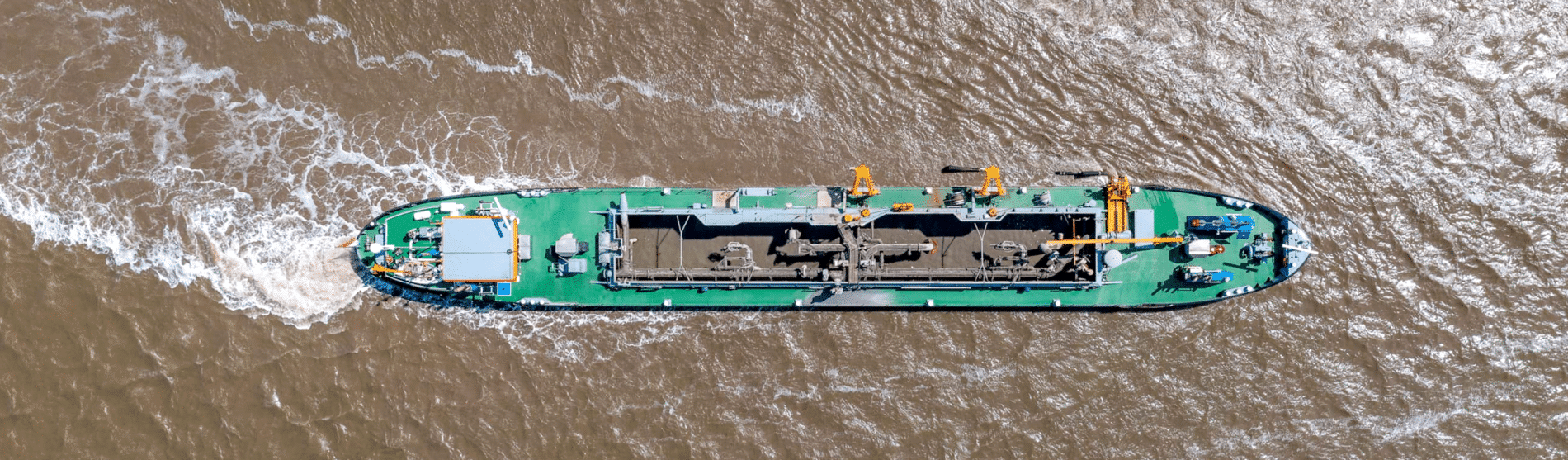
As part of the Knowledge and Innovation Agenda for the Coastal Management and Channel Maintenance transition path, Rijkswaterstaat, ZEDHub, and partners have prepared three research projects. “With these, we are addressing significant gaps in our current knowledge,” Maarten emphasizes. The focus is on dredging in saltwater. “This is more challenging than in freshwater, where, for example, we already have experience with electric dredgers. We are investigating innovations that are necessary to make this transition possible, but which are not likely to be taken on quickly by a single party, partly because the investment is difficult to recoup. In addition, we have selected research projects whose results are broadly applicable across the entire sector and for which the investment remains feasible in terms of both time and money.”
The project plans for the studies are now complete, and Rijkswaterstaat has given the green light. The studies are expected to begin in September 2026. The implementing parties were identified and selected through meetings organized by ZEDhub and Rijkswaterstaat. Maarten: “What’s special is that all parties agree that the results will be made available to a broad audience. We’re proud of that.” Arjen continues: “Collaboration and knowledge sharing can feel threatening, but open innovation is precisely about making clear agreements on what you do and don’t share. We’re glad we can play a role in this.”
In parallel with the research initiatives, the Coastal Management and Channel Maintenance Transition Path is working on bringing pioneering projects to market. Maarten: “These are dredging projects, in this case in the Wadden Sea and in the Port of Rotterdam. In doing so, we’re encouraging market participants to use sustainable, innovative techniques. The projects aren’t directly linked to the research initiatives, but there is a clear connection.” Arjen continues: “The market players awarded these projects can validate the research findings and advance the technologies one step closer to commercial use. We also share the lessons learned from these pioneers as a foundation for scaling up. In this way, we are ultimately working together with the entire sector toward emission-free dredging.”