Platform on civil engineering, underground infrastructure, energy, construction equipment & construction machinery
How water is distributed in the Netherlands
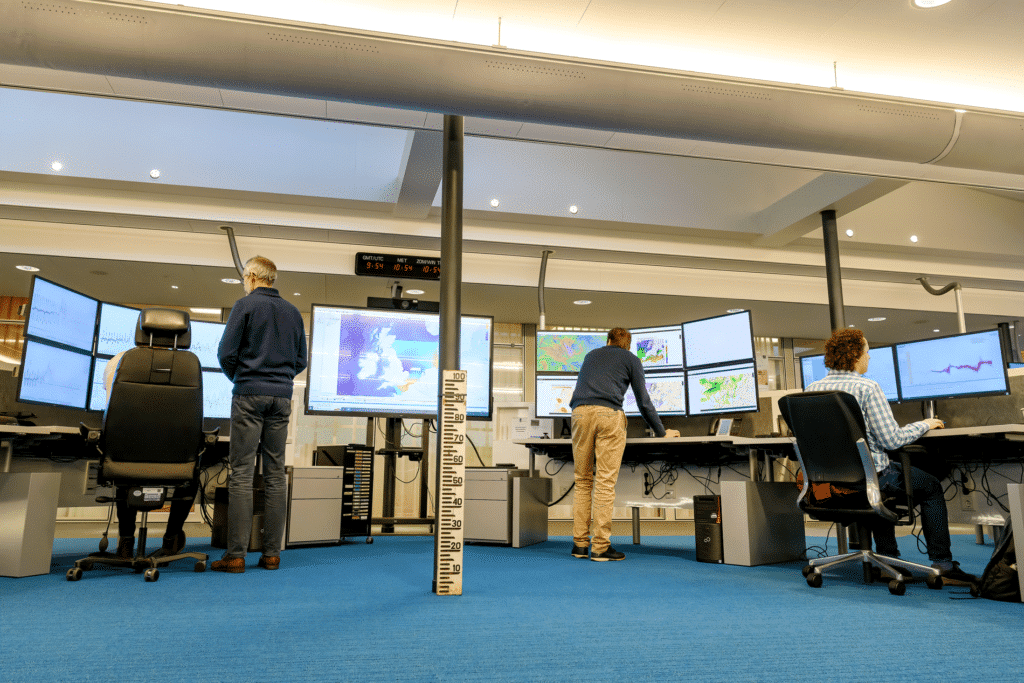
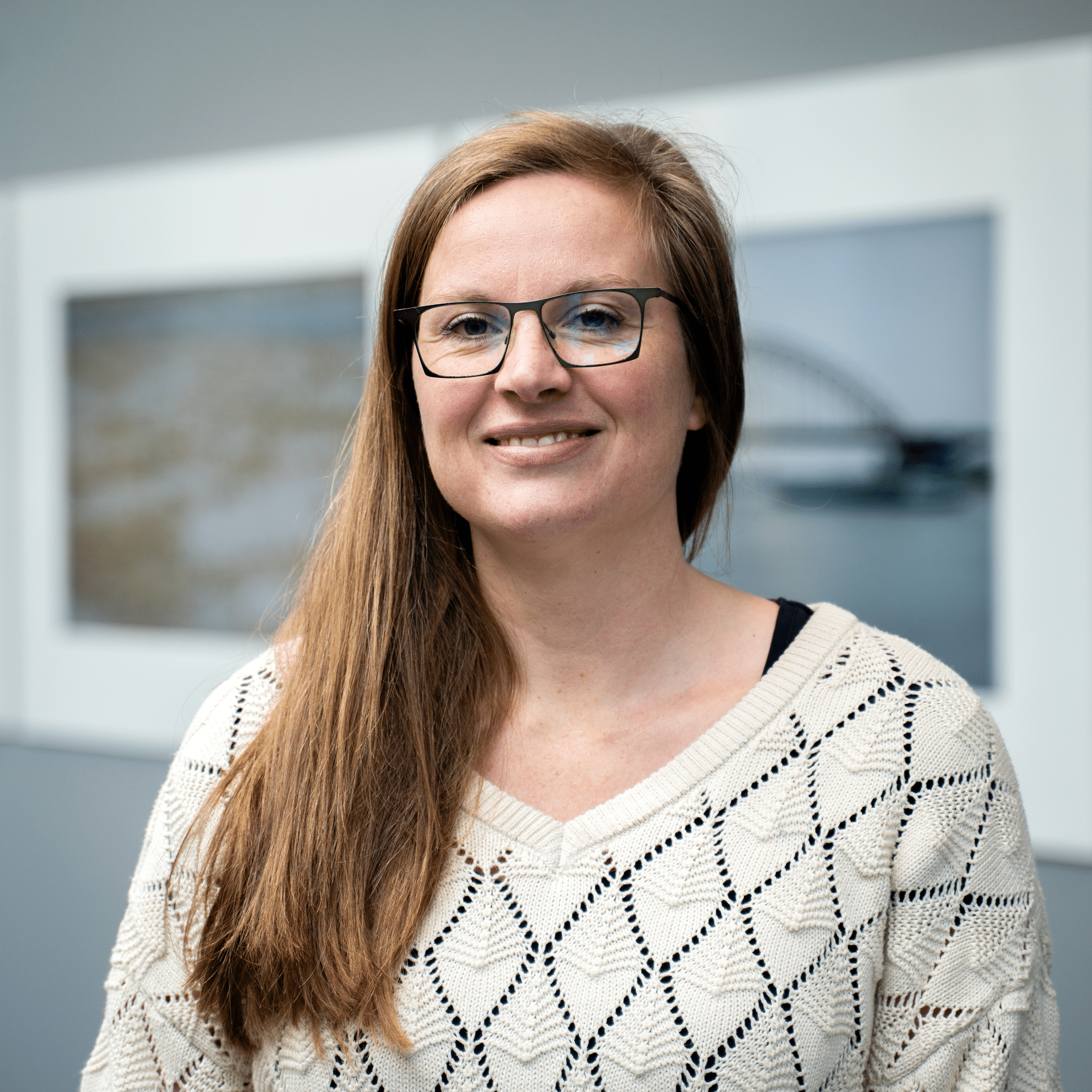
The Netherlands is known as a water country, but water availability is no longer so self-evident. Within Rijkswaterstaat, the National Coordination Center for Flooding (LCO) and the National Coordination Committee for Water Distribution (LCW) play a crucial role in managing risks and scarcity. “Our job is to create one national picture of what is happening and what it means,” says Cristel de Zwaan, LCO/LCW coordinator at Rijkswaterstaat.
The LCO focuses on (imminent) flooding, while the LCW deals with the distribution of fresh water during drought. Both operate as national partnerships of water managers, with water boards, the Directorate-General for Public Works and Water Management and KNMI as permanent partners. “Also joining the LCW are provinces, ministries, drinking water companies, shipping, industry, nature and the energy sector,” explains De Zwaan. “We work with clear scenarios: how do we work, who is at the table and what information do we need?”
According to the coordinator, the strength of the system lies mainly in cooperation. “The lines of communication are short, people know each other and know each other's water systems.” That mutual knowledge proved of great value during the extreme drought years of 2018 and 2022. “You see that understanding is growing: if I make a few cubic meters of space here, I can prevent damage elsewhere. People are willing to really help each other. In the Amsterdam-Rhine Canal area, for example, water is cleverly directed between different water boards to serve all interests, prevent salt intrusion and keep fresh water available.”
Current data form the basis for decisions. Water levels, precipitation forecasts, river discharges and salt measurements are brought together into one overview. “We outline where we stand, what the models expect and where we need to steer extra.” At the same time, uncertainty is inevitable. “Forecasts are never 100 percent certain. It can always be something more or less. That applies to the weather, but just as much to water.” That's why expertise and scenario thinking play a big role in interpretation.
According to De Zwaan, the water management system has proven robust so far, but has limits. “We cannot make fresh water. At some point the strain is out.” The reality is that fresh water will not always and everywhere be available in the future. “That requires preparation by sectors: buffer, adapt or accept that there will be periods with less water. The infrastructure must also be prepared for this, for example by including extra headroom or measures against salt intrusion when dams and locks are replaced. This is already happening in practice,” she adds.
What is striking is that many measures that once began as crisis approaches are now part of regular management, De Zwaan summarizes. “Monitoring takes place throughout the year and water managers anticipate earlier, for example by holding water longer. We no longer wait until things really go wrong.” The most important lesson from previous droughts? “You can't do this alone. Crisis management is network management.” Water does not stop at administrative borders and comes largely from abroad. “Good cooperation, both nationally but certainly internationally, is essential. That's what we have to keep investing in.”