Platform on civil engineering, underground infrastructure, energy, construction equipment & construction machinery
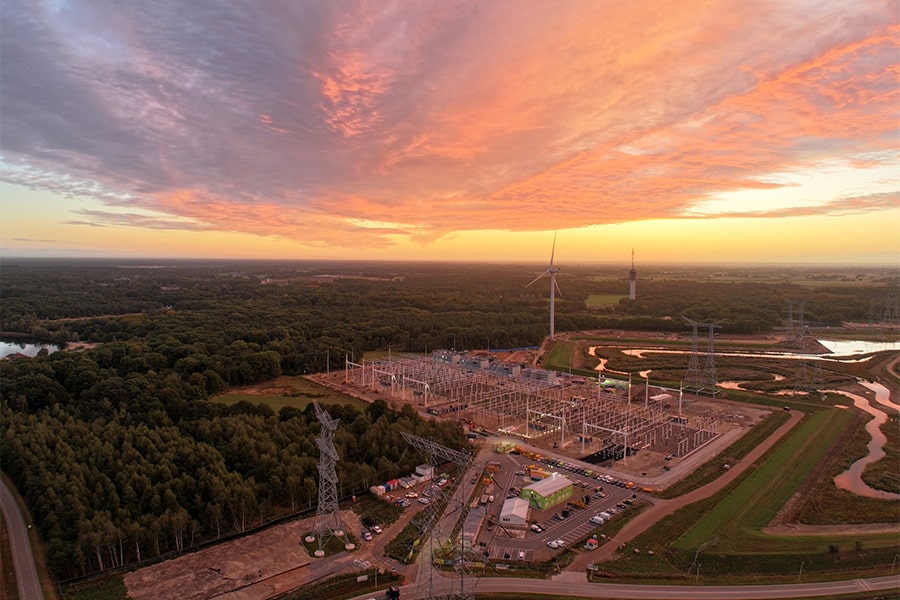
A new 380 kV substation is being built at De Spinder site near Tilburg to relieve pressure on Brabant's electricity grid. The project combines civil, structural and electrical engineering disciplines with water management, ecology and environmental care. “We are working with many different parties here, but as one team,” says TenneT project manager Roel Jannink. “That's exactly what makes this project so special.”
As the national high-voltage grid operator, TenneT transports electricity through the high-voltage grid, the ‘highways’ of our energy system.
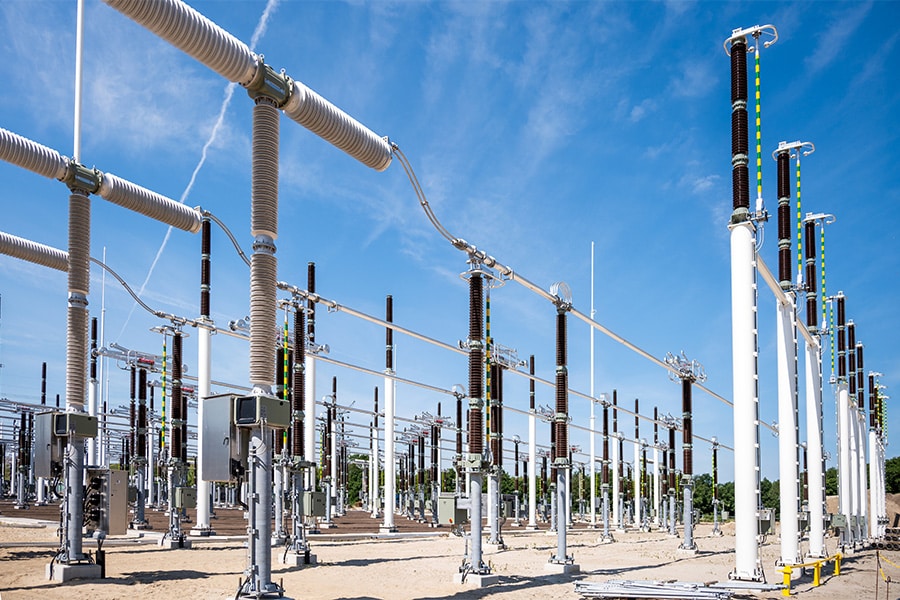
Within this project, TenneT directs the entire process: from basic design to implementation. The organization monitors safety, planning and progress, and coordinates the work of the many parties involved. Four main contractors are working together with many subcontractors, consultancies and suppliers - partly simultaneously - on the various sub-projects: preparing the site for construction, building the station, constructing the cable connection to Tilburg-North and the overhead lines. “Our role is to put that puzzle together,” says Jannink. “Everything has to fit together, with an eye for safety, quality and cooperation. That only works through tight consultation and a lot of trust.”
On the construction site, safety experts oversee safe execution, while construction managers coordinate daily with contractors on planning, agreements and execution. TenneT also looks beyond this project to other work in the region, interfaces and the right order of execution. “That continuous coordination, between technology and interests, keeps the whole thing manageable.”
The 35-hectare site, of which 6.5 hectares is for the station itself, is partly located in a former floodplain, making implementation complex. Construction is taking place in close coordination with the municipality of Tilburg, the province of North Brabant, water boards De Dommel and Brabantse Delta and nature organizations such as Natuurmonumenten. The station joins Landscape Park Pauwels, where nature development and landscape integration come together. “Ecological measures are an integral part of the plan,” says Jannink. “We are looking at technology in combination with the environment in which we are building.” According to Jannink, the biggest challenge is in bringing all those disciplines - engineering, ecology and environment - together into one.
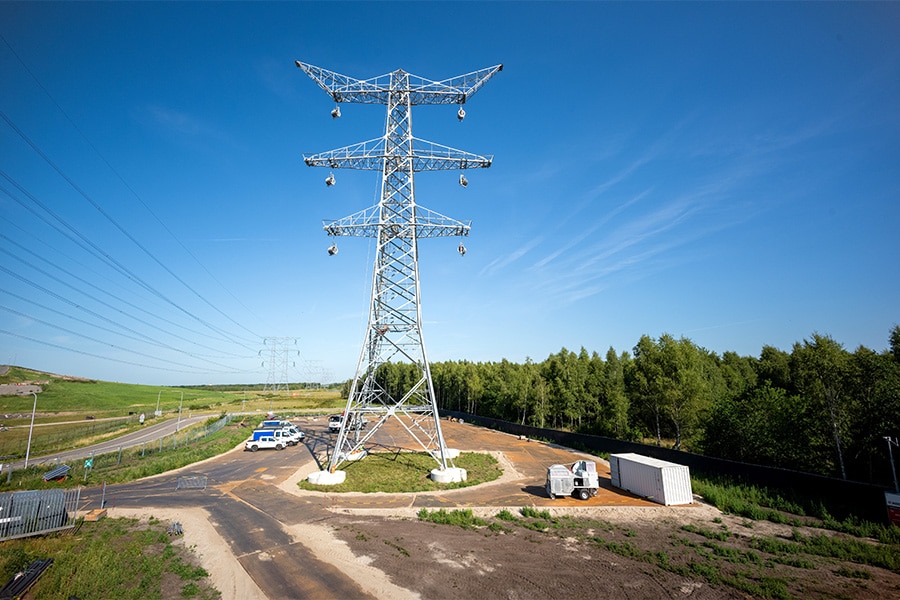
This project involves the construction of four new high-voltage pylons, including three-circuit pylons with increased capacity - unique in the connection between Geertruidenberg and Eindhoven. One of the most striking components, however, is the construction of the first Moldau mast in the Netherlands. This new generation of lattice towers will become the standard for future 380 kV connections and marks an important step in design, sustainability and implementation. “It is a first,” says Jannink. “Over the next few years we will be building more than 1,200 of them in the Netherlands. They are the new standard and form the backbone of the expansion of the national electricity grid.”
The standardized and modular design allows the mast to be produced, transported and assembled more efficiently, with less concrete and thus less CO2 emissions. The steel is also fully recyclable and the uniform design creates more tranquility in the landscape. “The Moldau mast symbolizes how we in the Netherlands want to build for the future,” says Jannink. “Affordable, sustainable and in harmony with the environment.”
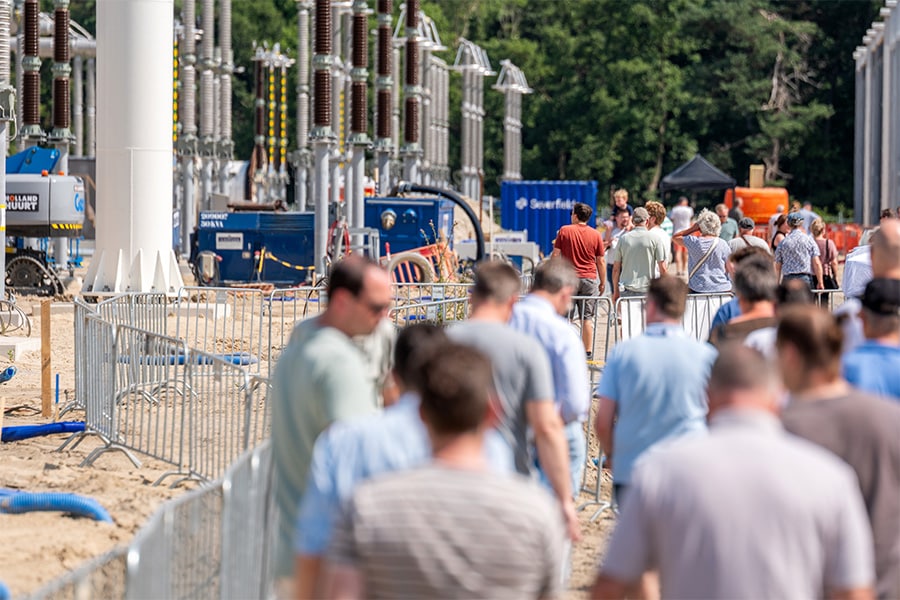
Besides that first, Jannink is especially proud of the mutual cooperation, which he says was nicely visible during the Day of Construction. “We were there with all the contractors and colleagues, each of whom proudly showed what we are building together. For me, that was a miniature of the entire project: even if something goes wrong sometimes, it is solved together. It's give and take, flexible movement, so that the whole thing can continue. Always with the common goal in mind.”
In the coming months, civil works on the water storage will be completed and the cable connection to Tilburg-North will be extended. In the summer of 2026, the looping of the overhead connection to Eindhoven and Geertruidenberg will follow. Then comes the big milestone: the inauguration of the station in the fall of 2026.
“We are doing this because it is necessary for the Netherlands and the energy transition,” says Jannink. “But the success of this project is in how we do it: safely, openly and together. That's the only way you can put together a complex puzzle like this.”